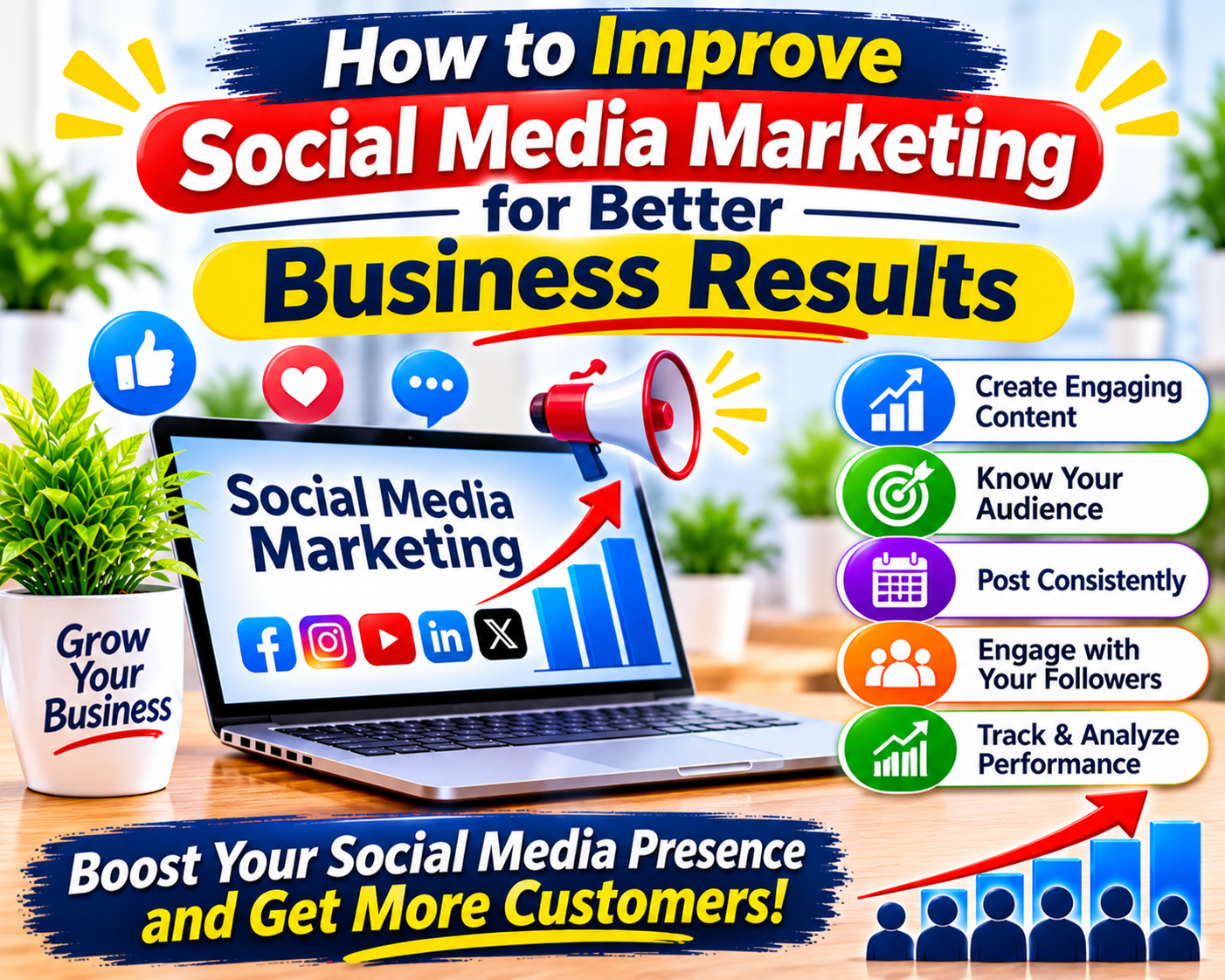
1. Identify Your Target Audience
Understanding your audience is the foundation of an effective social media strategy. Businesses should identify the people most likely to be interested in their products or services.
Consider factors such as:
- Age groups and general interests
- Customer needs and challenges
- Preferred social media platforms
- Online behavior and activity
- Questions customers frequently ask
When businesses understand their audience, they can create more relevant posts and communicate more effectively.
2. Choose the Right Social Media Platforms
Not every platform is suitable for every business. Choosing the right channels helps businesses focus their time and marketing resources.
For example:
- Facebook: Useful for community engagement, business updates, and reaching different audience groups.
- Instagram: Suitable for visual content, product showcases, and short videos.
- LinkedIn: Helpful for professional networking and business-to-business marketing.
- TikTok: Useful for short-form videos and creative content.
- YouTube: Effective for tutorials, product demonstrations, and educational videos.
Start with the platforms your target customers use most frequently.
3. Create Valuable and Engaging Content
Content plays a major role in attracting attention and encouraging people to interact with a brand.
Businesses should create a balanced mix of content, including:
- Educational tips and guides
- Product and service information
- Behind-the-scenes updates
- Customer success stories
- Short videos and infographics
- Industry news and useful insights
Focus on providing value rather than publishing promotional messages all the time. Helpful content gives people a reason to follow and engage with your business.
4. Maintain a Consistent Posting Schedule
Consistency helps businesses remain visible and build stronger relationships with their audience.
Create a content calendar that outlines what you will publish and when. Plan posts in advance and choose a realistic schedule that your team can maintain.
A simple weekly schedule might include educational posts, product updates, customer-focused content, and short videos.
Regular publishing also makes it easier to evaluate which topics receive the most attention.
5. Use Social Media to Build Brand Awareness
Your social media profiles should communicate a consistent brand identity. Use recognizable profile images, clear descriptions, and a similar tone across platforms.
Share information about your business, explain what makes your services useful, and communicate your values clearly.
A strong social media presence can also support your wider online marketing and business growth strategy, helping customers recognize your brand across different digital channels.
6. Interact With Your Audience
Social media marketing should involve two-way communication. Responding to comments, answering questions, and acknowledging customer feedback can help build trust.
Businesses can improve engagement by:
- Replying to relevant comments
- Answering direct messages
- Asking useful questions
- Sharing customer feedback
- Participating in relevant discussions
Timely and professional communication helps customers feel heard and valued.
7. Use Hashtags and Relevant Keywords
Hashtags and descriptive captions can help users understand your posts and discover relevant content.
Choose hashtags that relate to your industry, products, services, and post topic. Avoid using too many unrelated hashtags just to increase visibility.
Write clear captions that explain the purpose of each post and encourage meaningful interaction.
8. Consider Paid Social Media Advertising
Organic content can help businesses build an audience, while paid advertising can support specific marketing goals.
Social media advertising platforms offer options to reach audiences based on factors such as interests, location, and other targeting criteria.
Businesses can use paid campaigns to promote products, generate inquiries, increase website visits, or introduce a new service.
Start with a clear objective and a manageable budget. Monitor campaign performance and adjust targeting or creative content when necessary.
9. Measure Your Social Media Performance
Tracking results helps businesses understand whether their social media activities are achieving their objectives.
Important performance indicators include:
- Reach and impressions
- Likes, comments, and shares
- Follower growth
- Link clicks
- Website visits
- Leads and conversions
Use platform analytics and website tracking tools to evaluate performance. Focus on meaningful results rather than follower numbers alone.
10. Improve Your Strategy Over Time
Social media trends, customer interests, and platform features change regularly. Businesses should review their strategy and make improvements based on performance data.
Identify which content formats receive the strongest engagement, which platforms bring relevant visitors, and which campaigns generate useful inquiries.
Experiment with new ideas while maintaining the content style and communication approach that work best for your audience.
Leave a Reply