Blog

  • Customer Journey Mapping: How to Build a Better Digital Marketing Funnel

    Customer Journey Mapping: How to Build a Better Digital Marketing Funnel

    Introduction

    A potential customer may interact with a company multiple times before becoming a customer.

    Understanding these interactions helps marketers create more effective campaigns.

    The Main Customer Journey Stages

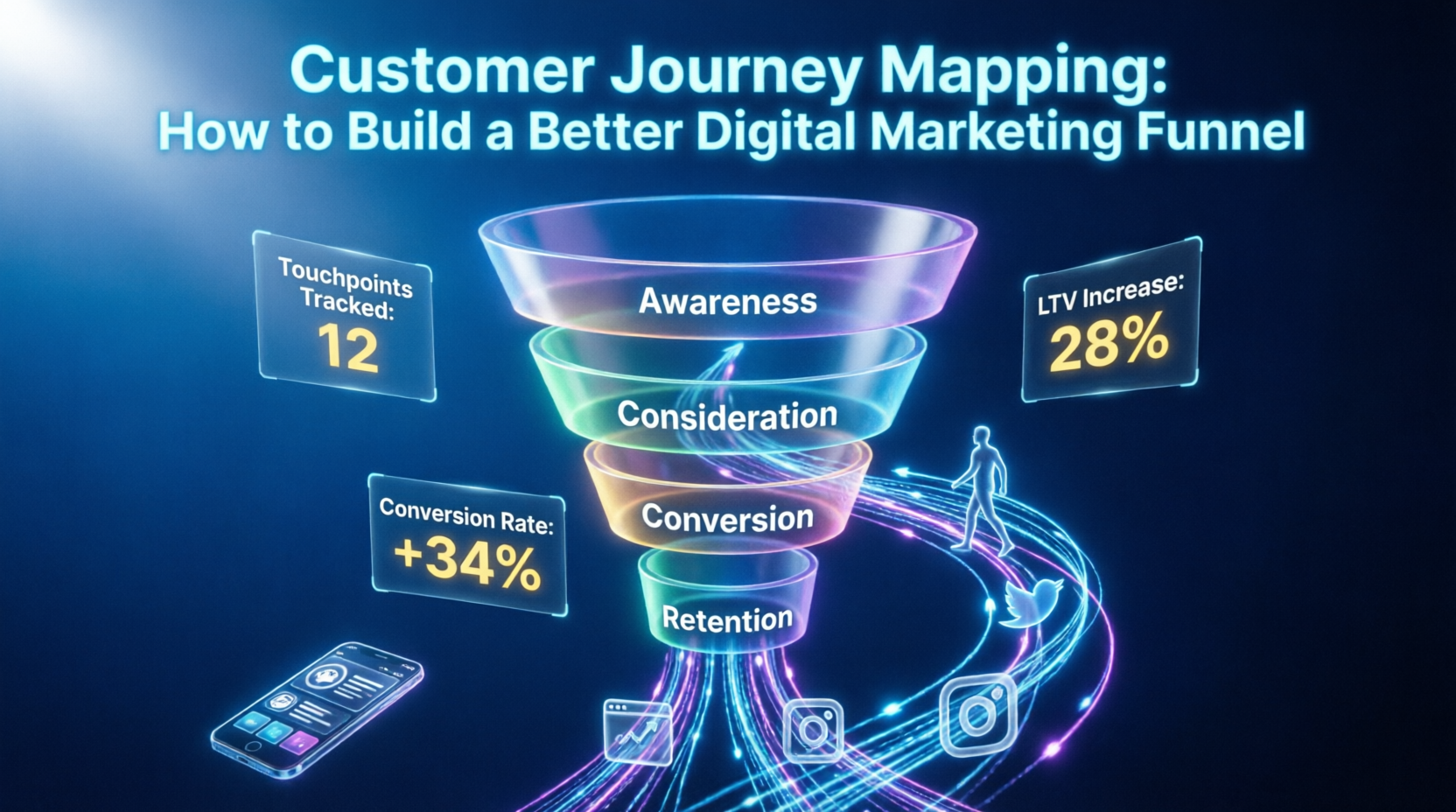
    Awareness

    The customer discovers a problem or business.

    Useful marketing:

    • Blog posts
    • Videos
    • Social media
    • Educational content

    Consideration

    The customer compares possible solutions.

    Useful content:

    • Guides
    • Comparisons
    • Case studies
    • Service explanations

    Decision

    The customer is ready to take action.

    Useful assets:

    • Service pages
    • Pricing information
    • Testimonials
    • Contact forms
    • Consultation offers

    Retention

    After becoming a customer, businesses can use:

    • Email marketing
    • Customer support
    • Educational content
    • Loyalty campaigns

    Measure the Journey

    Track how users move between:

    Traffic → Engagement → Lead → Customer → Repeat Customer

    Conclusion

    Customer journey mapping helps businesses connect SEO, PPC, content, social media, email marketing, and CRO into one complete strategy.
  • Digital PR for SEO: How Brand Mentions Can Support Online Authority

    Digital PR for SEO: How Brand Mentions Can Support Online Authority

    Introduction

    Digital PR is more than traditional public relations.

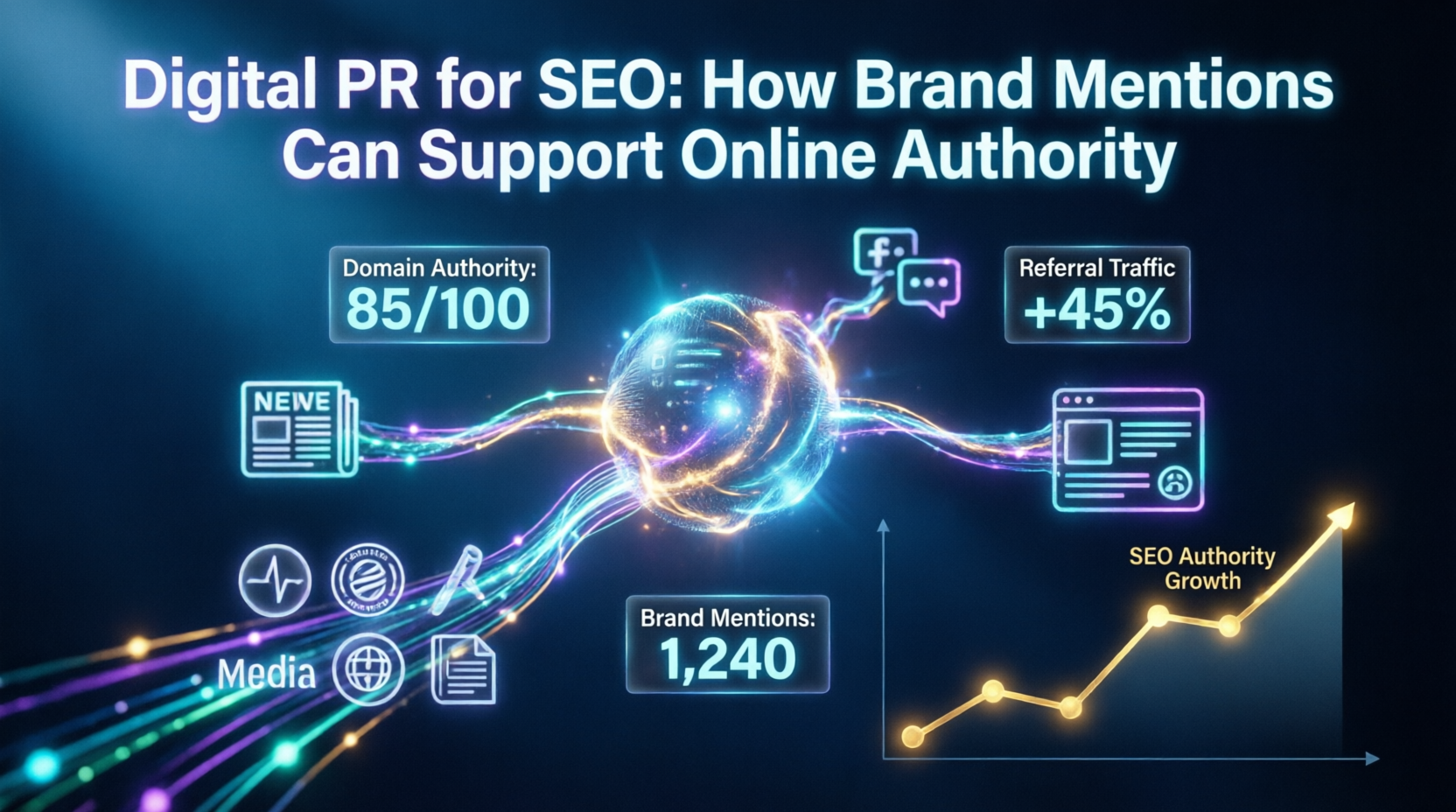
    It focuses on getting your business, expertise, research, or story noticed across relevant online publications and communities.

    Digital PR Strategies

    Publish Original Research

    Data-driven research can attract journalists and industry websites.

    Expert Commentary

    Provide useful insights on industry developments.

    Create Newsworthy Stories

    Interesting business developments can generate coverage.

    Build Relationships

    Develop genuine relationships with relevant publishers and journalists.

    Digital PR vs Traditional Link Building

    Traditional link building often focuses directly on acquiring backlinks.

    Digital PR focuses more broadly on:

    • Brand visibility
    • Reputation
    • Authority
    • Media coverage
    • Relevant references

    Links can be a valuable secondary result.

    Conclusion

    Digital PR can combine branding, reputation management, content marketing, and SEO into one strategy.

  • SEO-Friendly Website Architecture: How to Structure a Business Website

    SEO-Friendly Website Architecture: How to Structure a Business Website

    Introduction

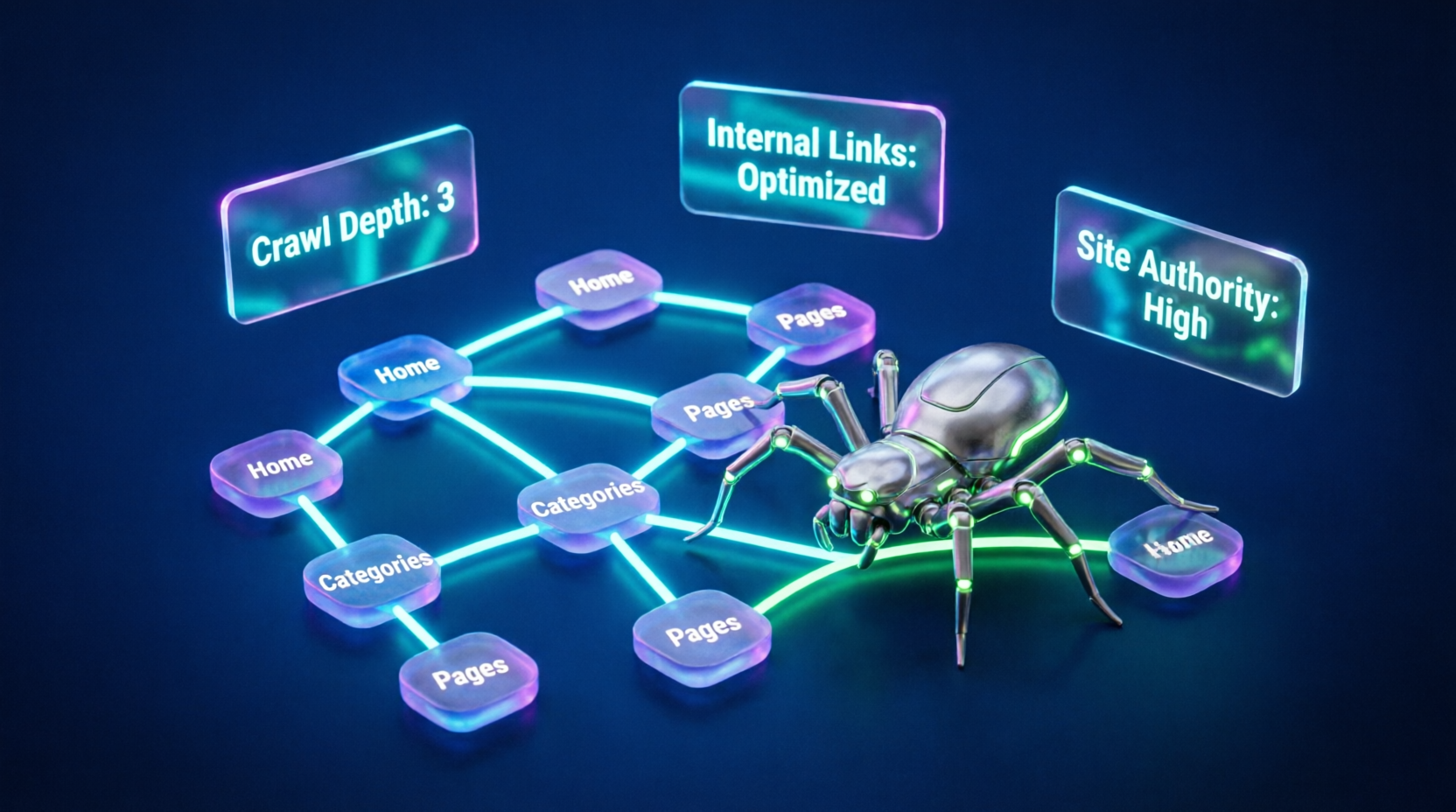
    Website architecture determines how pages are organized and connected.

    A confusing structure can make navigation difficult and important pages harder to discover.

    Build a Logical Hierarchy

    A business website might use:

    Home

    → Services

    → SEO Services

    → Technical SEO

    → SEO Audit

    This creates clear relationships between pages.

    Navigation

    Important pages should be accessible through logical navigation.

    Do not hide critical business pages deep inside the website.

    URL Structure

    Keep URLs:

    • Short
    • Descriptive
    • Relevant
    • Consistent

    Internal Links

    Connect related pages naturally.

    For example, a technical SEO article can link to your technical SEO service page.

    Conclusion

    Website architecture is the foundation connecting technical SEO, content, navigation, and conversions.

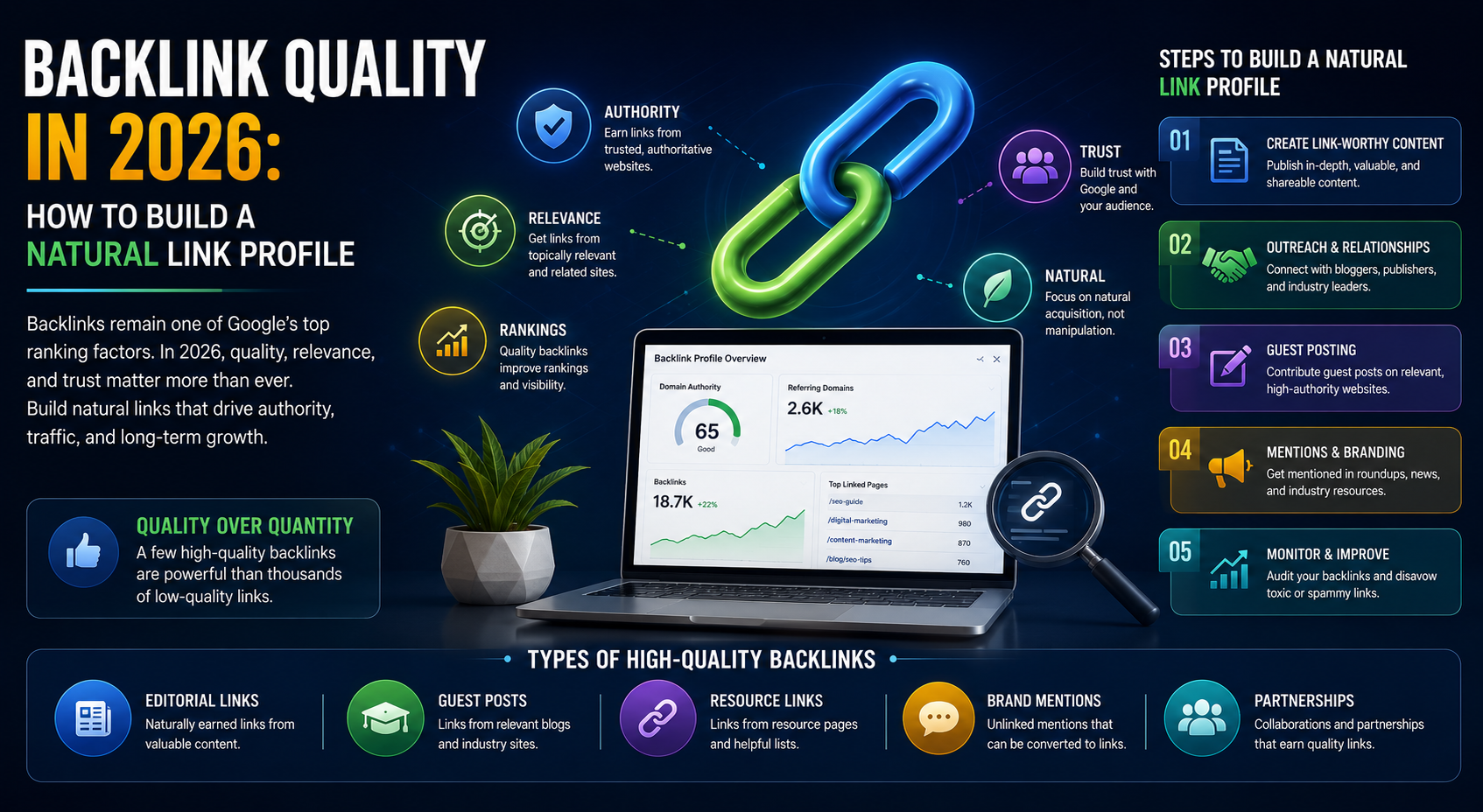
  • Backlink Quality in 2026: How to Build a Natural Link Profile

    Backlink Quality in 2026: How to Build a Natural Link Profile

    Introduction

    A backlink is a link from another website to your website.

    Links can help users discover useful resources and can contribute to a website’s authority signals.

    What Makes a Good Backlink?

    Consider:

    • Relevance
    • Editorial context
    • Website quality
    • Genuine usefulness
    • Natural placement

    Effective Link-Building Methods

    Original Research

    Publish information others want to reference.

    Digital PR

    Create newsworthy stories, research, or industry insights.

    Expert Content

    Publish genuinely useful guides and resources.

    Partnerships

    Relevant industry relationships can naturally produce useful references.

    Avoid Manipulative Links

    Avoid strategies focused on generating large numbers of artificial or irrelevant links.

    Quality should always be the priority.

    Conclusion

    Modern link building should focus on earning genuine references rather than collecting links mechanically.

  • JavaScript SEO: How Modern Websites Can Remain Search-Friendly

    Introduction

    Modern websites often rely heavily on JavaScript frameworks.

    JavaScript can provide excellent user experiences, but developers need to ensure important content remains accessible to search engines.

    Common JavaScript SEO Problems

    Potential issues include:

    • Important content loaded only after user interaction
    • Incorrect links
    • Rendering problems
    • Delayed content
    • Incorrect canonical tags
    • Client-side redirects

    Server-Side Rendering

    Depending on the website architecture, server-side or other rendering approaches can make important content more reliably available.

    Testing JavaScript Websites

    Test:

    • Page source
    • Rendered HTML
    • Internal links
    • Metadata
    • Structured data
    • Indexability

    Developers and SEO Teams

    SEO should be considered during development rather than after the website is completed.

    Developers can build the technical architecture while SEO specialists identify search requirements.

    Conclusion

    JavaScript and SEO can work together when websites are designed with search accessibility in mind.

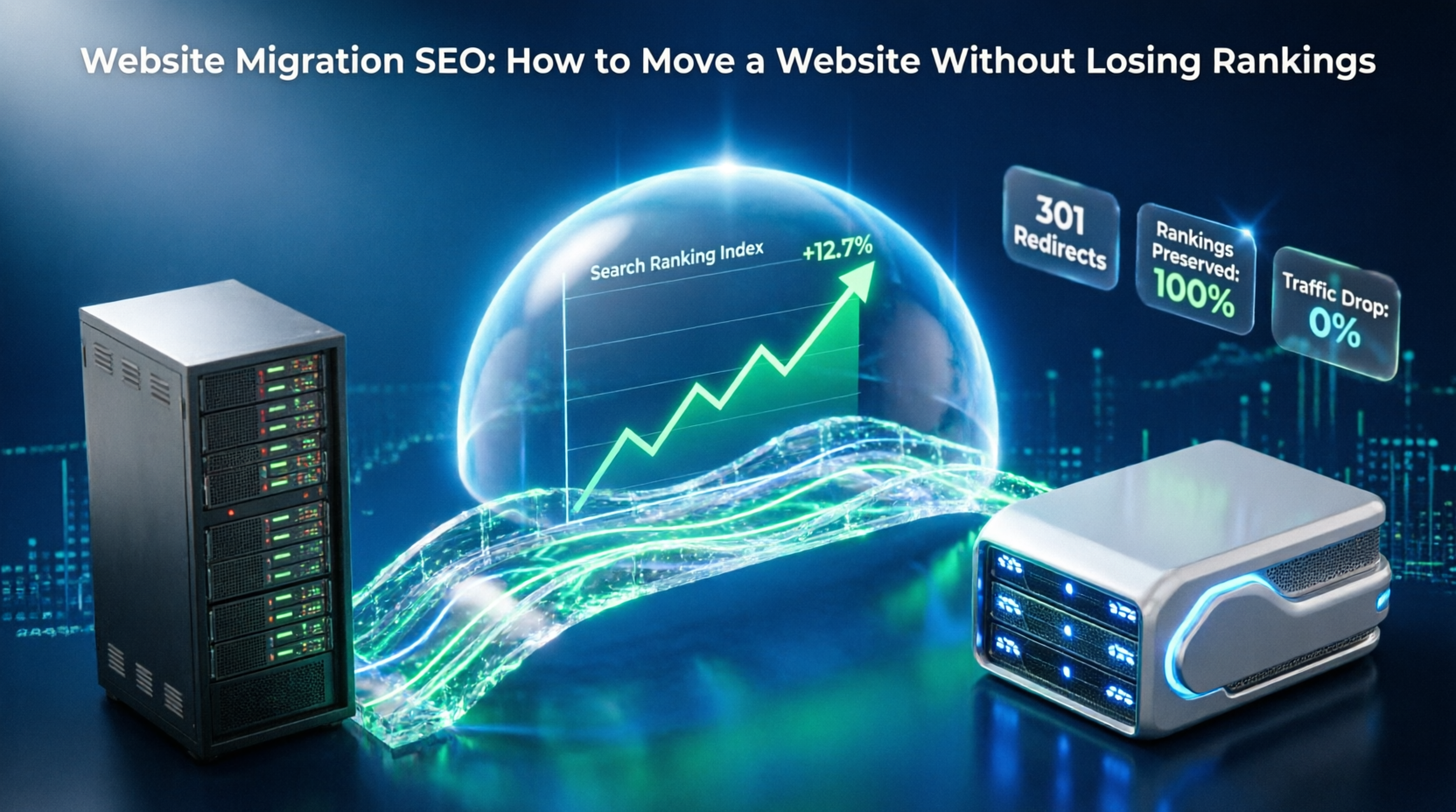
  • Website Migration SEO: How to Move a Website Without Losing Rankings

    Website Migration SEO: How to Move a Website Without Losing Rankings

    Introduction

    A website migration can involve:

    • New domain
    • New CMS
    • New URL structure
    • Website redesign
    • HTTPS migration
    • Hosting changes

    Without proper planning, organic traffic can decline.

    Pre-Migration Checklist

    Before migration:

    1. Crawl the existing website.
    2. Export important URLs.
    3. Record organic traffic.
    4. Identify valuable pages.
    5. Map old URLs to new URLs.
    6. Review internal links.

    Redirects

    Use appropriate redirects when URLs change.

    Each important old URL should point to the most relevant new destination.

    After Migration

    Check:

    • Indexing
    • Redirects
    • Canonicals
    • Sitemap
    • Robots.txt
    • Internal links
    • Analytics
    • Search Console

    Monitor Traffic

    Compare performance before and after migration.

    Unexpected drops should be investigated quickly.

    Conclusion

    SEO migration should be treated as a technical project rather than simply a website launch.

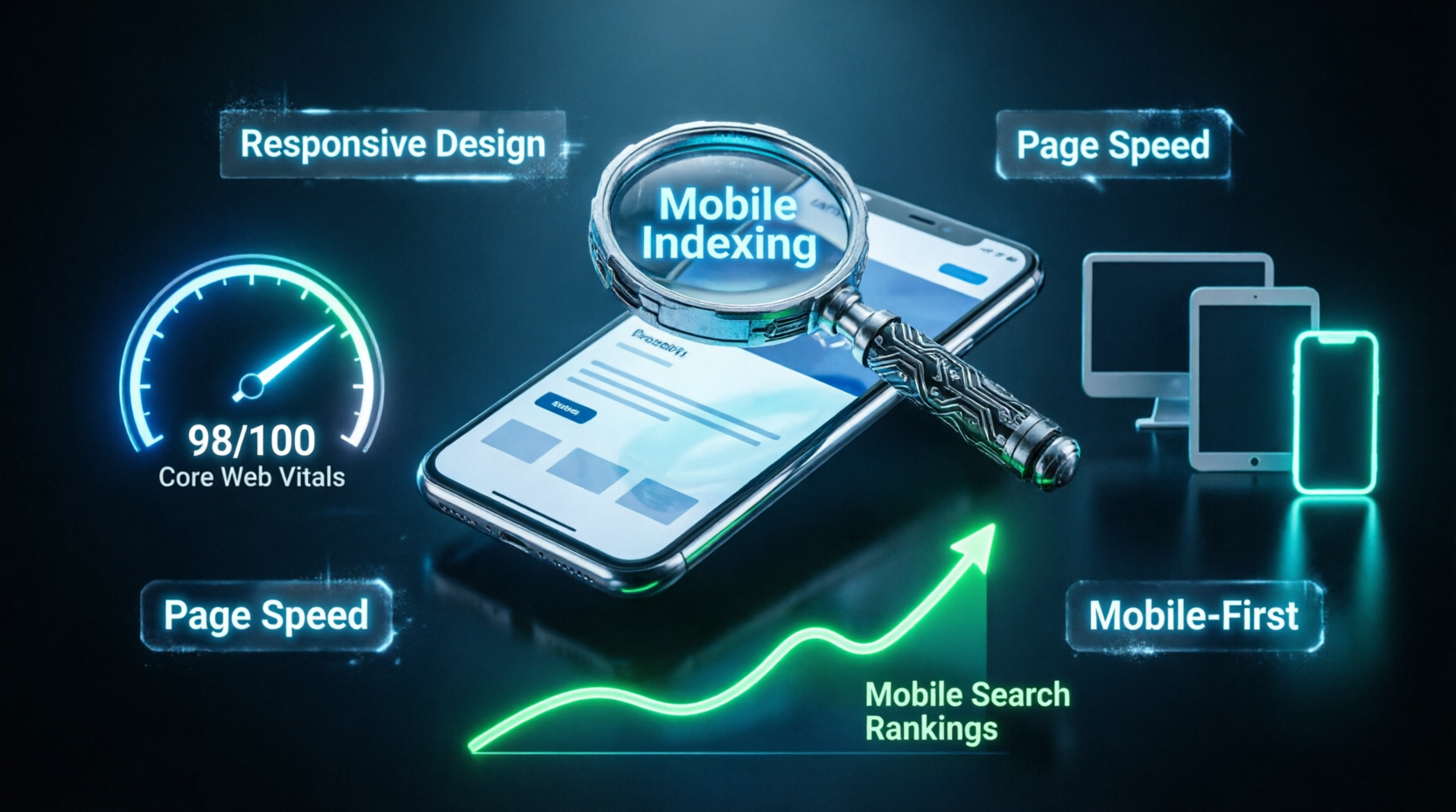
  • Mobile-First SEO: How to Optimize Websites for Mobile Users

    Mobile-First SEO: How to Optimize Websites for Mobile Users

    Introduction

    A website must work effectively on smartphones and tablets.

    Mobile optimization is no longer an optional feature for businesses competing online.

    Important Mobile SEO Factors

    Responsive Design

    Your website should adapt to different screen sizes.

    Easy Navigation

    Menus and buttons should be easy to use on smaller screens.

    Readable Content

    Users should not need to zoom or scroll horizontally to read important information.

    Fast Performance

    Mobile users may have slower connections, making performance optimization particularly important.

    Mobile Content

    Make sure important information available on desktop is also accessible on mobile.

    Avoid hiding essential content simply because the screen is smaller.

    Test Regularly

    Check:

    • Forms
    • Buttons
    • Navigation
    • Images
    • Fonts
    • Checkout
    • Contact options

    Conclusion

    Mobile SEO should be part of website development from the beginning—not something added later.

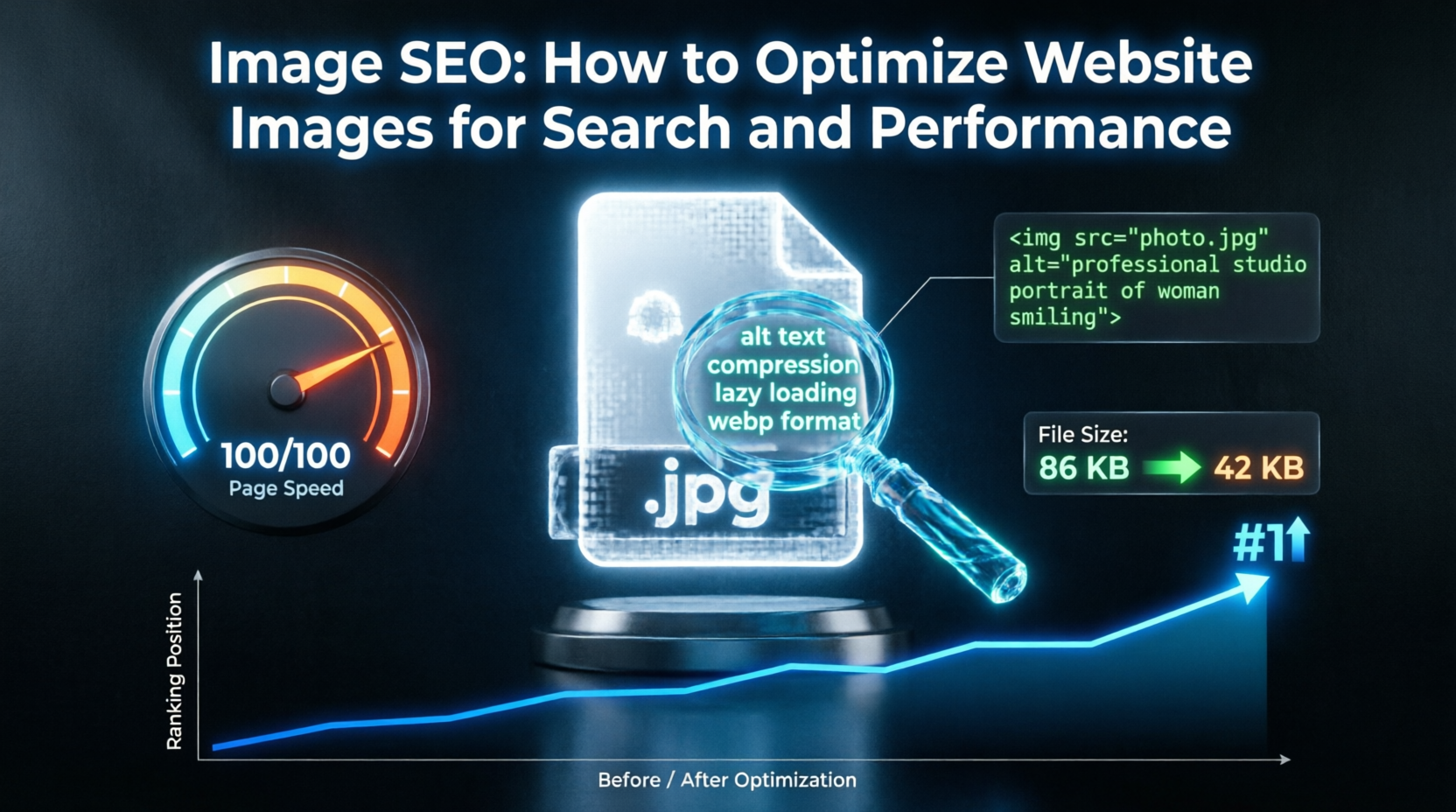
  • Image SEO: How to Optimize Website Images for Search and Performance

    Image SEO: How to Optimize Website Images for Search and Performance

    Introduction

    Images are an important part of modern websites.

    However, large or poorly implemented images can increase page weight and reduce performance.

    Image SEO Best Practices

    Use Descriptive File Names

    Instead of:

    IMG12345.jpg

    Use something meaningful such as:

    digital-marketing-strategy.jpg

    Add Useful Alt Text

    Alt text should describe the image where appropriate.

    Choose Appropriate Formats

    Use modern image formats where they provide benefits for your website.

    Resize Images

    Do not upload a huge image when a smaller version is sufficient.

    Compress Images

    Compression can reduce file size while maintaining acceptable quality.

    Lazy Loading

    Images below the initial viewport can often be lazy-loaded to reduce unnecessary initial loading.

    Conclusion

    Image SEO combines accessibility, performance, user experience, and search optimization.

  • Semantic SEO: How to Create Content Search Engines Can Understand

    Semantic SEO: How to Create Content Search Engines Can Understand

    Introduction

    Search engines have become better at understanding language and context.

    This means a page can rank for related queries even when it doesn’t repeat an exact keyword many times.

    What Is Semantic SEO?

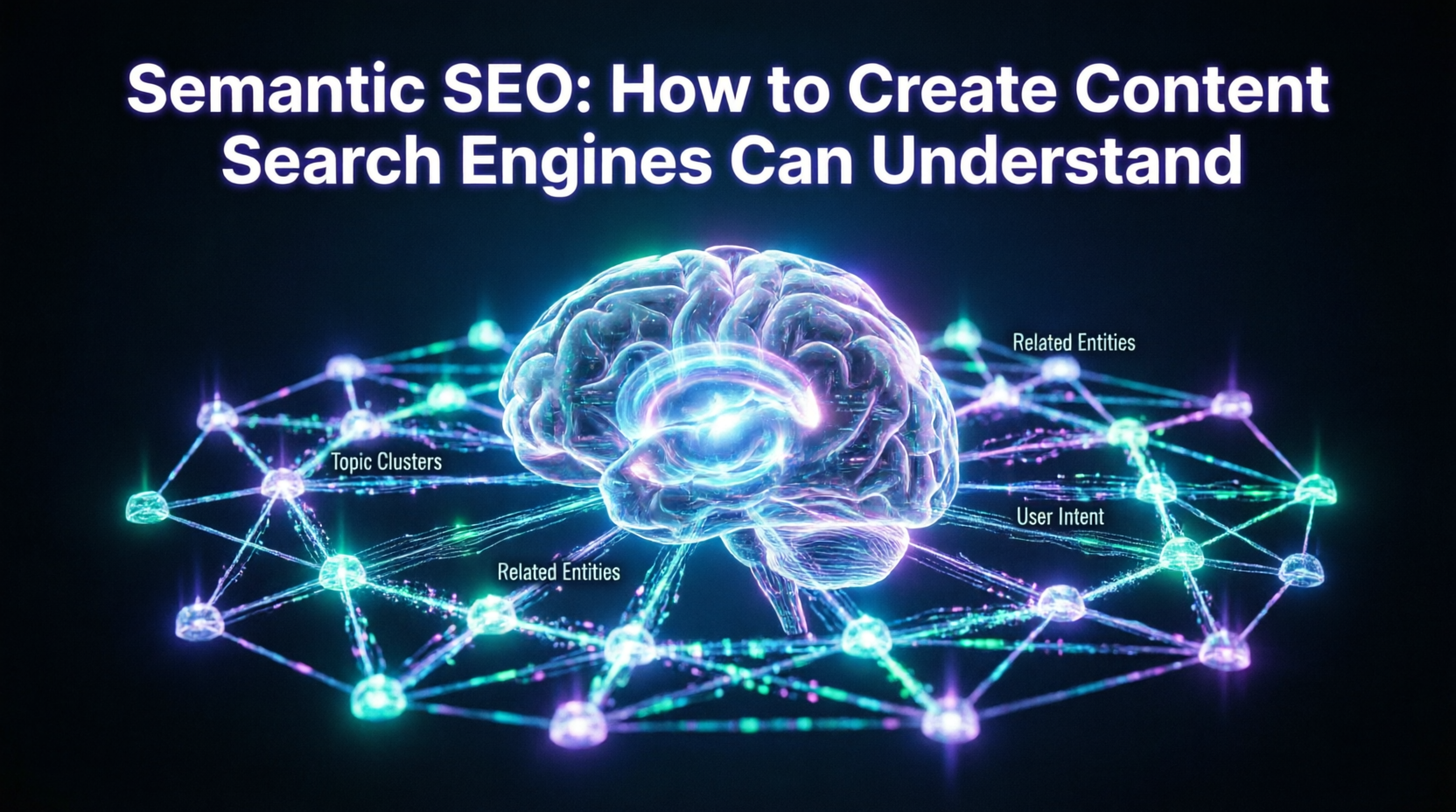
    Semantic SEO involves creating content around a complete topic and its related concepts.

    For example, an article about SEO services could naturally discuss:

    • Technical SEO
    • Keyword research
    • Content optimization
    • Internal linking
    • Search intent
    • Analytics

    How to Implement Semantic SEO

    Cover Related Questions

    Research the questions customers ask around your primary topic.

    Use Clear Structure

    Organize information with descriptive headings.

    Connect Related Pages

    Use internal links to connect supporting content.

    Add Context

    Explain concepts rather than simply inserting keywords.

    Avoid Keyword Stuffing

    Repeating the same keyword excessively can make content unnatural.

    Write for people first and optimize the structure for search engines.

    Conclusion

    Semantic SEO helps businesses create deeper, more useful content.

  • Entity SEO: How Search Engines Understand Your Business

    Entity SEO: How Search Engines Understand Your Business

    Introduction

    SEO has evolved beyond simply placing keywords on webpages.

    Search engines increasingly try to understand who, what, where, and how entities are connected.

    For a digital marketing company, the goal is to make the business clearly understandable across its website and other trusted online sources.

    What Is Entity SEO?

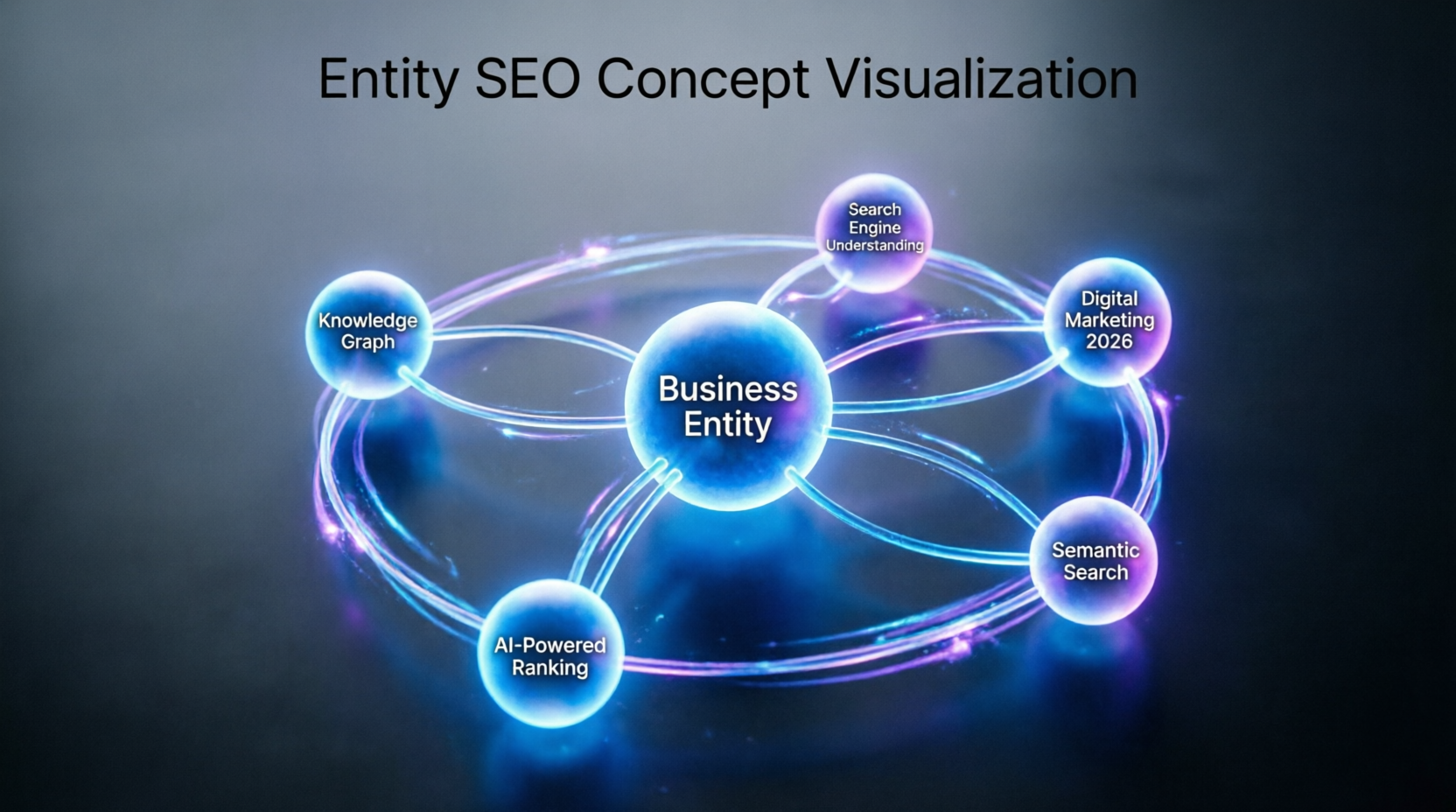
    An entity can represent a person, company, organization, product, location, or concept.

    For example:

    Digital Marketing Company → SEO → PPC → Content Marketing → Analytics

    Creating clear relationships between these topics helps establish context.

    How to Strengthen Entity Signals

    Businesses should maintain:

    • Consistent company information
    • Clear About pages
    • Detailed service pages
    • Organization information
    • Author information
    • Relevant structured data
    • Consistent brand mentions

    Why Entity SEO Matters

    A search engine should be able to understand:

    • What your company does
    • Which services you provide
    • Which industries you serve
    • Where you operate
    • What topics you specialize in

    Conclusion

    Entity-focused SEO is about building a clear and trustworthy digital identity rather than simply repeating keywords.