Blog

  • Digital Marketing Dashboard: The Essential KPIs Every Business Should Track

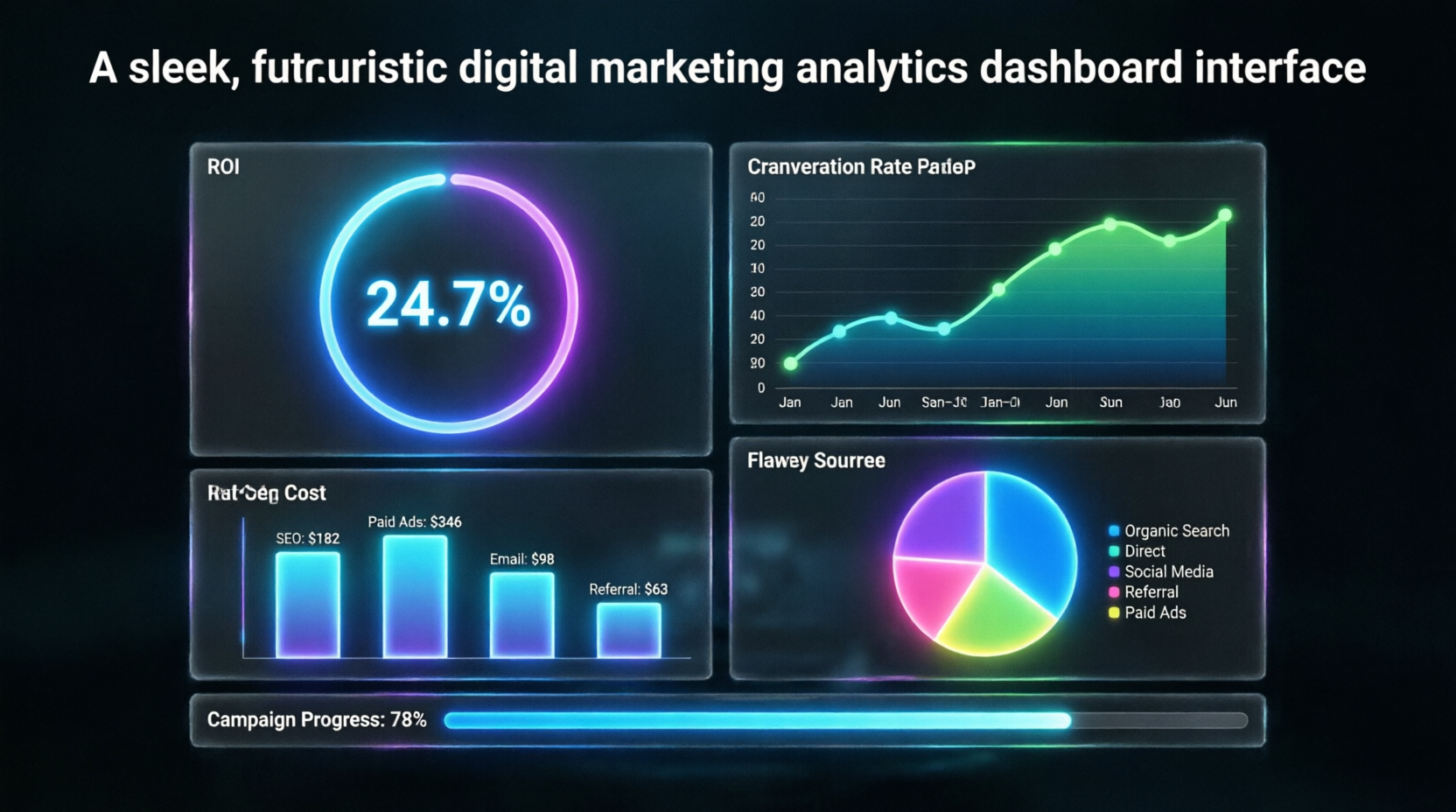
    Digital Marketing Dashboard: The Essential KPIs Every Business Should Track

    Introduction

    Digital marketing generates large amounts of data.

    The challenge isn’t collecting data.

    The challenge is understanding which numbers actually matter.

    SEO KPIs

    Track:

    • Organic clicks
    • Impressions
    • Search visibility
    • Important keyword performance
    • Organic conversions
    • Indexed pages

    PPC KPIs

    Monitor:

    • Ad spend
    • Clicks
    • CTR
    • CPC
    • Conversions
    • Cost per conversion
    • ROAS

    Website KPIs

    Track:

    • Users
    • Engagement
    • Landing pages
    • Conversion rate
    • Form submissions
    • Revenue

    Social Media KPIs

    Depending on your goals:

    • Reach
    • Engagement
    • Video views
    • Website traffic
    • Leads
    • Conversions

    Business KPIs

    Ultimately, the most important metrics are:

    Leads → Customers → Revenue → Profitability

    Google Analytics continues to add features for better cross-channel reporting, campaign analysis, attribution, and budgeting in 2026.

    Build a Simple Dashboard

    A useful dashboard should answer:

    1. How much traffic are we receiving?
    2. Where is it coming from?
    3. How many leads are we generating?
    4. What does each lead cost?
    5. Which channels generate customers?
    6. How much revenue is marketing producing?

    Conclusion

    A marketing dashboard should make decision-making easier—not simply display hundreds of numbers.
  • Zero-Click Search in 2026: How Businesses Can Win Visibility Without a Website Click

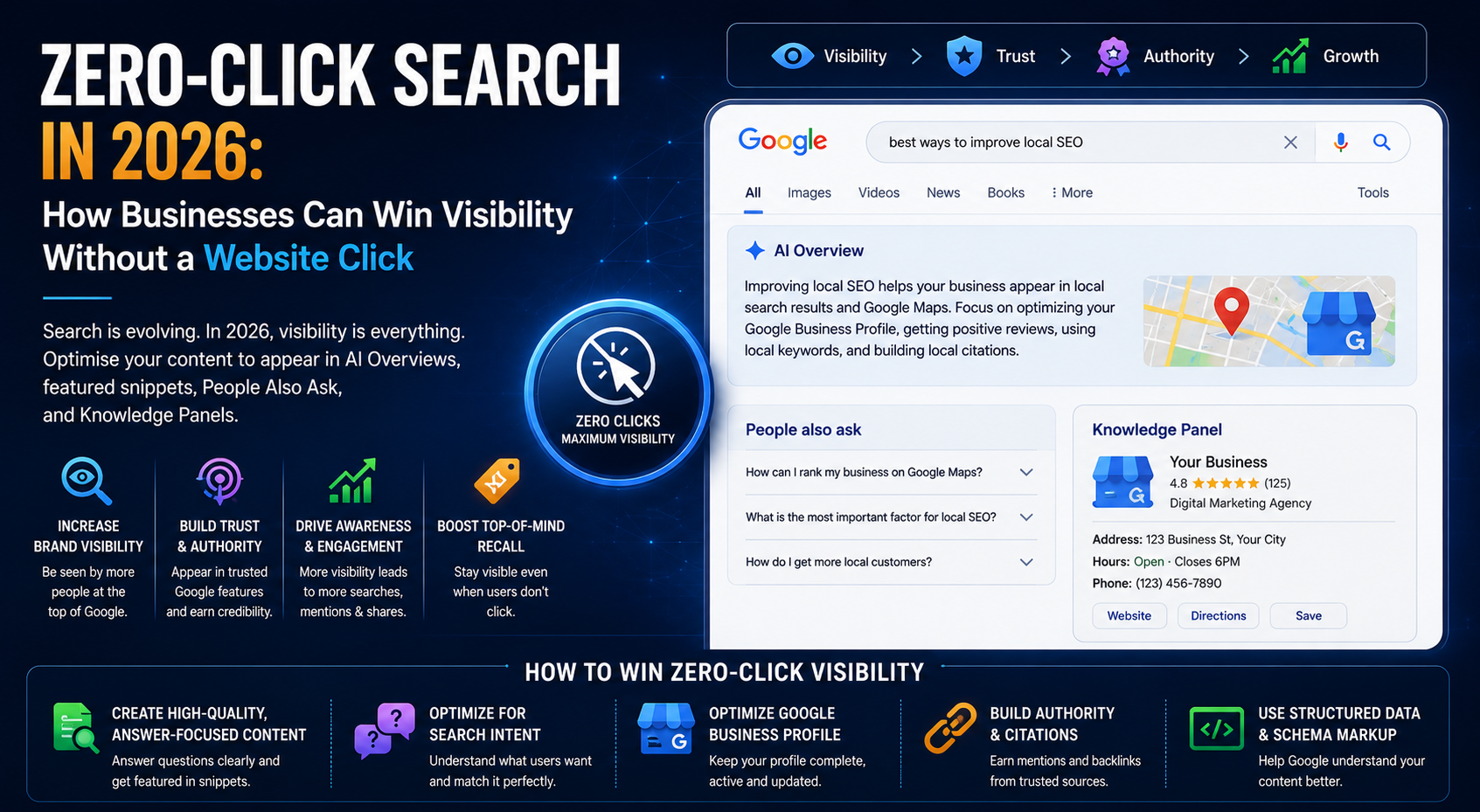
    Zero-Click Search in 2026: How Businesses Can Win Visibility Without a Website Click

    Introduction

    Traditional SEO often focused on getting users to click a search result.

    Modern search can provide answers directly within the search experience.

    This creates a challenge:

    What happens when users see your brand but don’t click?

    What Is Zero-Click Search?

    Zero-click search occurs when a user obtains useful information directly from the search results without visiting a website.

    Examples can include:

    • Business information
    • Quick answers
    • Maps
    • Search features
    • AI-generated responses

    Does This Make SEO Less Valuable?

    Not necessarily.

    Visibility can still contribute to:

    • Brand recognition
    • Trust
    • Future searches
    • Direct visits
    • Conversions later in the journey

    What Should Businesses Measure?

    Look beyond clicks.

    Consider:

    • Impressions
    • Brand searches
    • Organic visibility
    • Leads
    • Conversions
    • Returning users

    Google’s 2026 Search guidance emphasizes that SEO fundamentals remain relevant to generative AI search experiences.

    Conclusion

    Modern SEO should measure the complete customer journey, not just website clicks.

  • Content Decay: How to Recover Traffic From Old Blog Posts

    Content Decay: How to Recover Traffic From Old Blog Posts

    Introduction

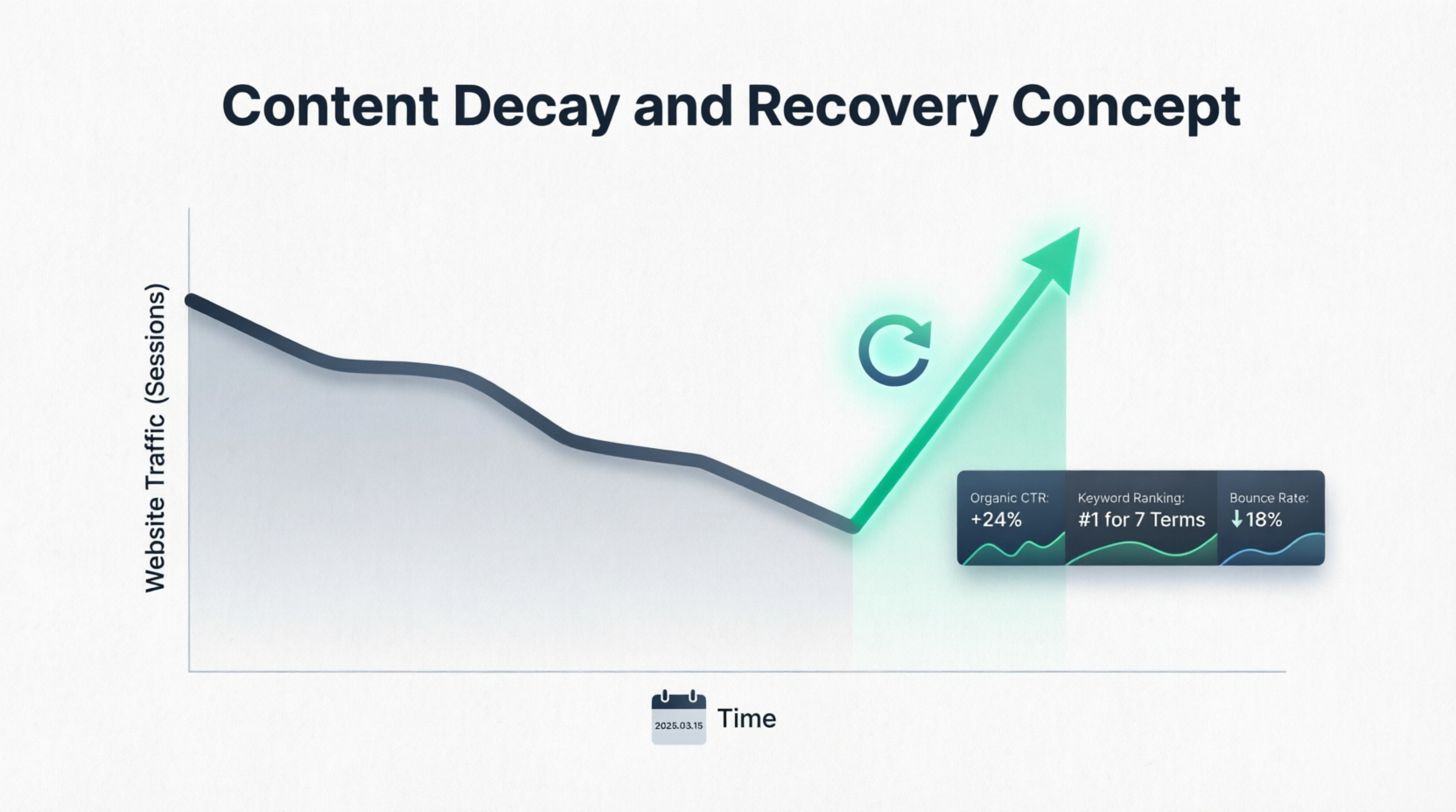
    Some websites have hundreds of old blog posts that once generated traffic but now receive very few visitors.

    This is known as content decay.

    Why Content Loses Traffic

    Possible reasons include:

    • Outdated information
    • Changing search intent
    • New competitors
    • Better competing content
    • Broken links
    • Outdated statistics
    • Weak internal linking

    How to Find Decaying Content

    Analyze historical:

    • Organic traffic
    • Impressions
    • Clicks
    • Rankings
    • Conversions

    Look for pages with significant historical performance that are now declining.

    How to Update Them

    Update Information

    Replace outdated facts and statistics.

    Improve Structure

    Add useful headings and clearer explanations.

    Strengthen Internal Links

    Connect the article with newer relevant pages.

    Improve Search Intent

    Make sure the article still answers what users are searching for.

    Conclusion

    An SEO strategy should include both content creation and content maintenance.

    Updating valuable existing pages can be an important part of organic growth.

  • Consent Mode and Marketing Analytics: A 2026 Technical Guide

    Consent Mode and Marketing Analytics: A 2026 Technical Guide

    Introduction

    Modern analytics must balance measurement with user privacy.

    Consent systems allow businesses to respect user choices while maintaining appropriate measurement capabilities.

    What Is Consent Mode?

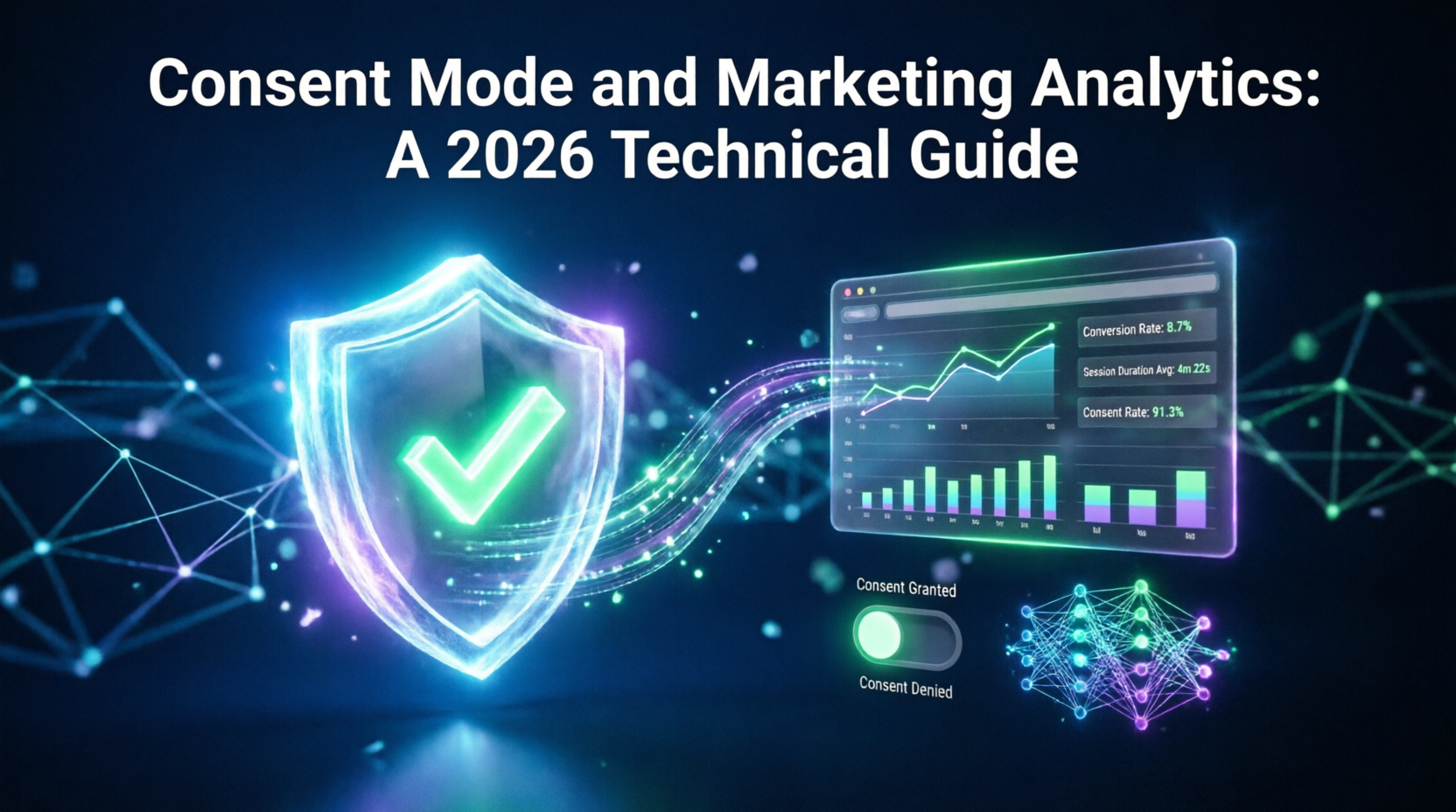
    Consent Mode helps Google tags adjust their behavior based on users’ consent choices.

    Google announced changes in 2026 that simplify controls between Google Analytics and Google Ads, with Consent Mode becoming the key control for certain Google Signals-related data flows.

    Why Businesses Should Care

    Incorrect tracking configuration can cause:

    • Missing conversion data
    • Inaccurate campaign reporting
    • Poor attribution
    • Inconsistent analytics

    Technical Checklist

    Businesses should review:

    • Consent banner
    • Analytics configuration
    • Advertising tags
    • Conversion tracking
    • Google Ads integration
    • Privacy settings
    • Data collection behavior

    Conclusion

    Privacy and measurement should not be treated as separate technical issues.

    A properly configured analytics system can help businesses make better marketing decisions while respecting user choices.

  • Cross-Channel Marketing Attribution: How to Measure Every Marketing Channel

    Cross-Channel Marketing Attribution: How to Measure Every Marketing Channel

    Introduction

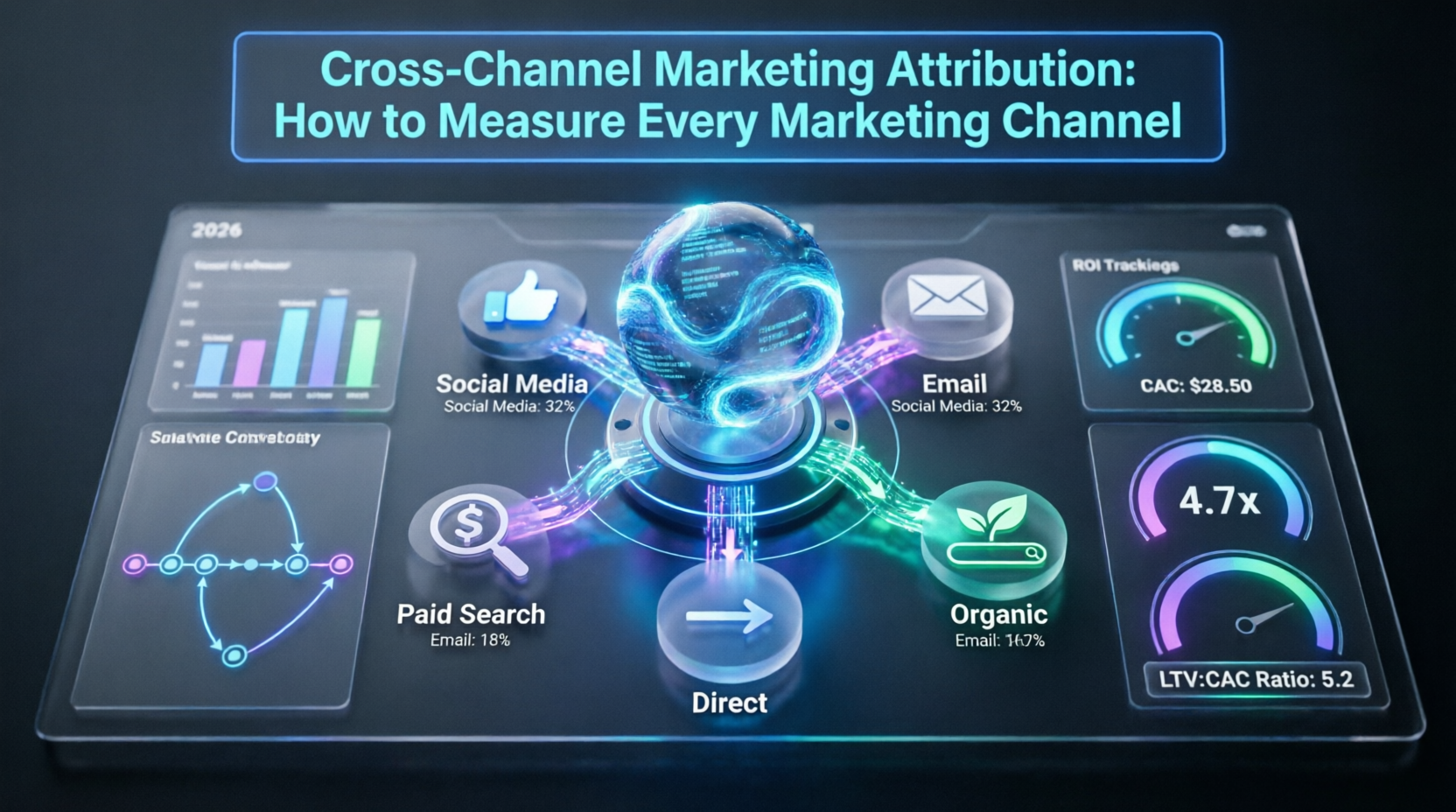
    A customer may discover your company through Google, visit your website from social media, return through an advertisement, and finally submit a form.

    Which channel generated the customer?

    The answer is not always simple.

    What Is Attribution?

    Attribution attempts to understand how marketing interactions contribute to conversions.

    Common channels include:

    • Organic Search
    • Google Ads
    • Social Media
    • Email
    • Direct Traffic
    • Referral Traffic

    Why Cross-Channel Measurement Matters

    Without proper measurement, businesses may:

    • Overinvest in one channel
    • Underestimate another channel
    • Miscalculate acquisition costs
    • Make poor budget decisions

    Google Analytics has introduced newer tools for cross-channel analysis and budgeting during 2026.

    What Should Businesses Track?

    Monitor:

    • Leads
    • Revenue
    • Conversion rate
    • Cost per acquisition
    • Channel contribution
    • Customer journey

    Conclusion

    Marketing decisions should be based on business outcomes rather than clicks alone.

  • AI Agents and Digital Marketing: What Businesses Need to Prepare For

    AI Agents and Digital Marketing: What Businesses Need to Prepare For

    Introduction

    AI is moving beyond simple chat interfaces.

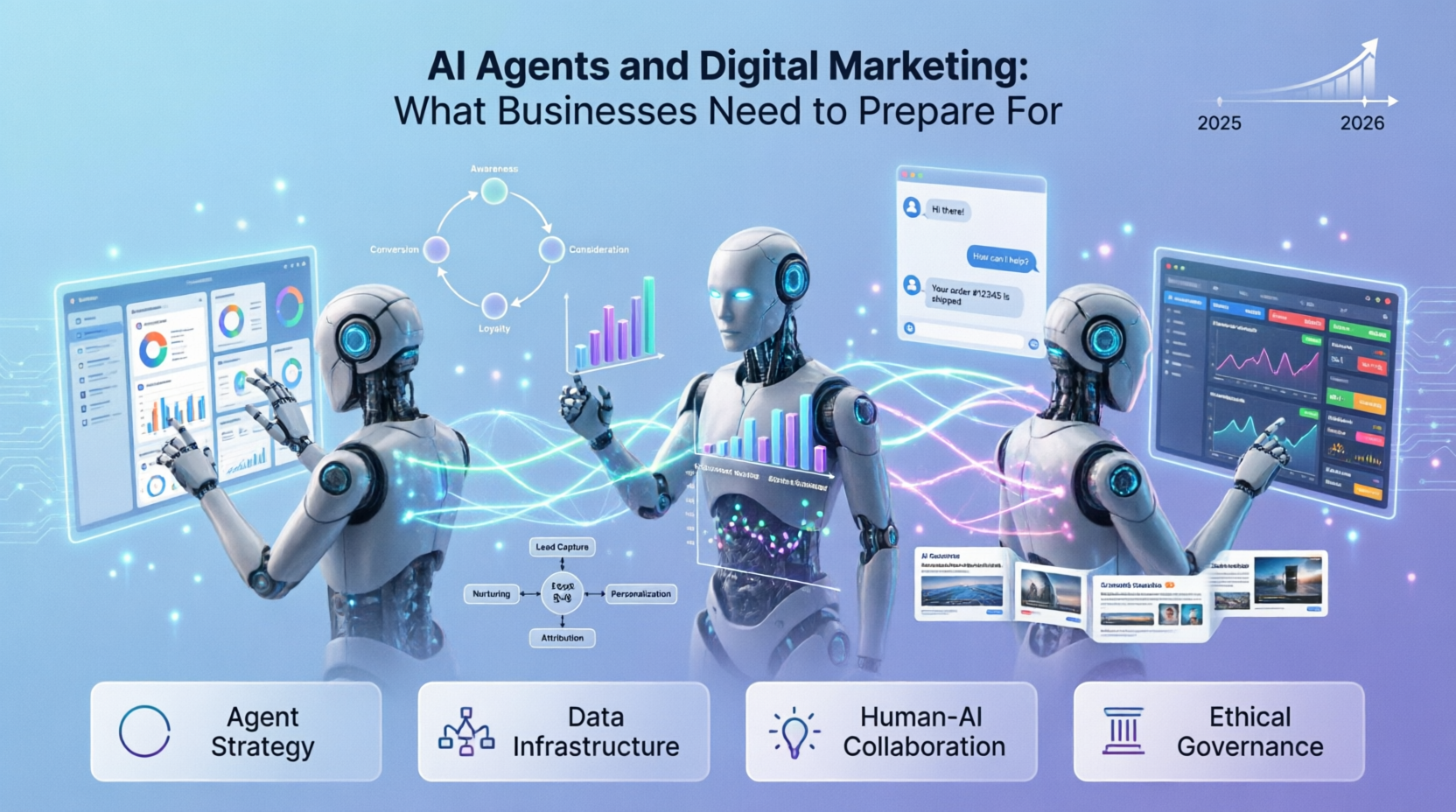
    AI agents can increasingly assist users with research, comparison, planning, and other digital tasks.

    Google’s 2026 generative AI search guidance includes initial discussion of AI agents as an emerging area.

    What Does This Mean for Businesses?

    Businesses need accurate and accessible digital information.

    Important information includes:

    • Services
    • Products
    • Prices where applicable
    • Business details
    • Contact information
    • Policies
    • Availability
    • FAQs

    Make Your Website Machine-Understandable

    Use:

    • Clear headings
    • Structured information
    • Logical navigation
    • Accurate metadata
    • Appropriate structured data
    • Consistent business information

    AI Agents and Conversion

    As AI-assisted journeys develop, customers may discover and evaluate businesses without visiting multiple websites manually.

    This makes brand accuracy and website authority increasingly important.

    Conclusion

    Businesses should prepare for a digital ecosystem where customers interact with both websites and AI systems.

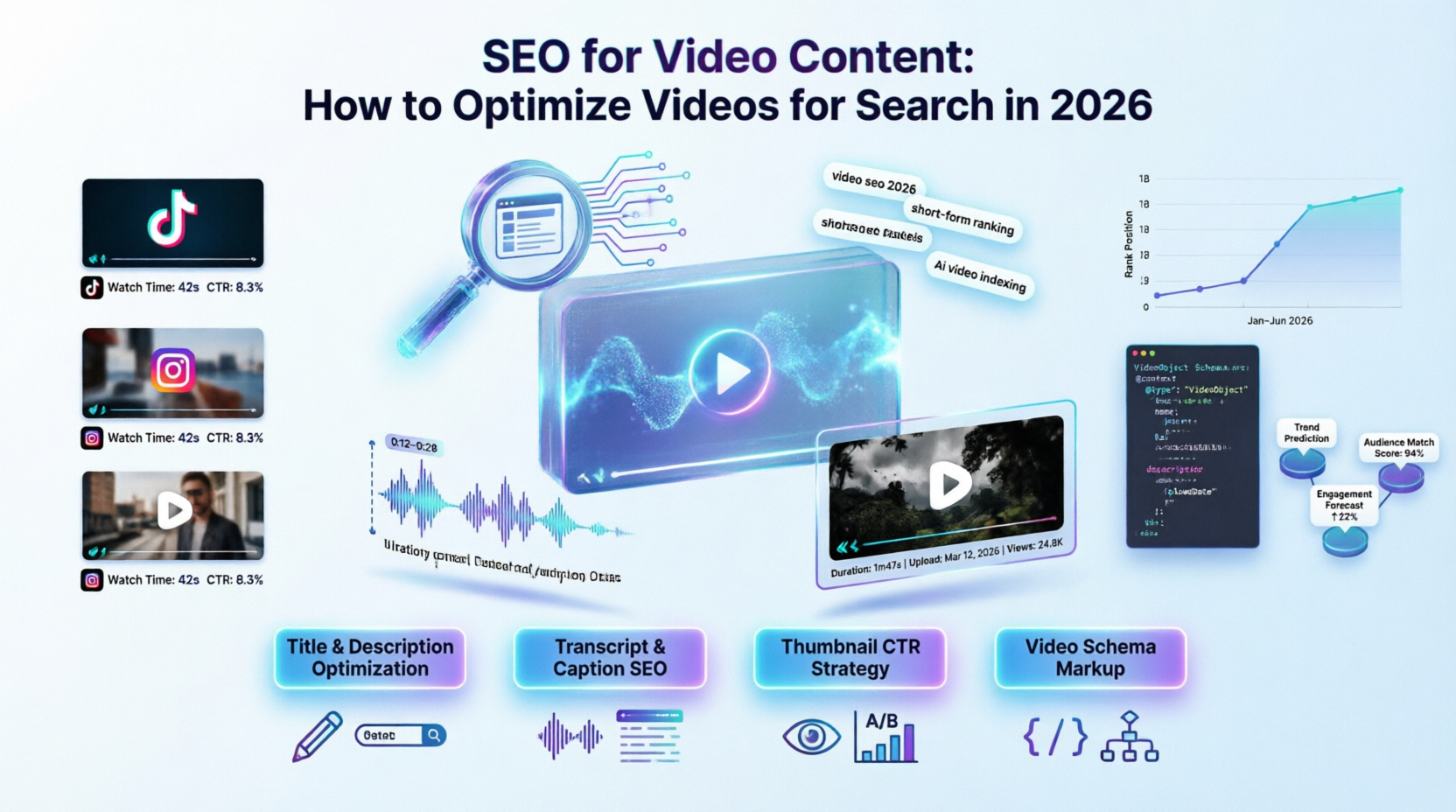
  • SEO for Video Content: How to Optimize Videos for Search in 2026

    SEO for Video Content: How to Optimize Videos for Search in 2026

    Introduction

    Customers don’t only search through text.

    They also use video platforms and search engines to discover tutorials, reviews, demonstrations, and educational content.

    Why Video SEO Matters

    Video can help businesses:

    • Explain complex products
    • Demonstrate expertise
    • Build trust
    • Increase engagement
    • Support branded search
    • Reach new audiences

    Technical Video SEO

    Optimize Titles

    Use clear titles that accurately describe the video.

    Write Useful Descriptions

    Explain what users will learn.

    Add Transcripts

    Transcripts make video information more accessible and provide text context.

    Create Dedicated Pages

    Where appropriate, embed videos within useful webpage content.

    Optimize Thumbnails

    Use clear, relevant thumbnails that accurately represent the video.

    Don’t Use Video as a Replacement for Everything

    Video should complement useful webpage content rather than replacing important text information.

    Conclusion

    A strong video strategy can support SEO, brand awareness, and customer education.

  • Search Intent Optimization: The Technical Way to Match Content With Users

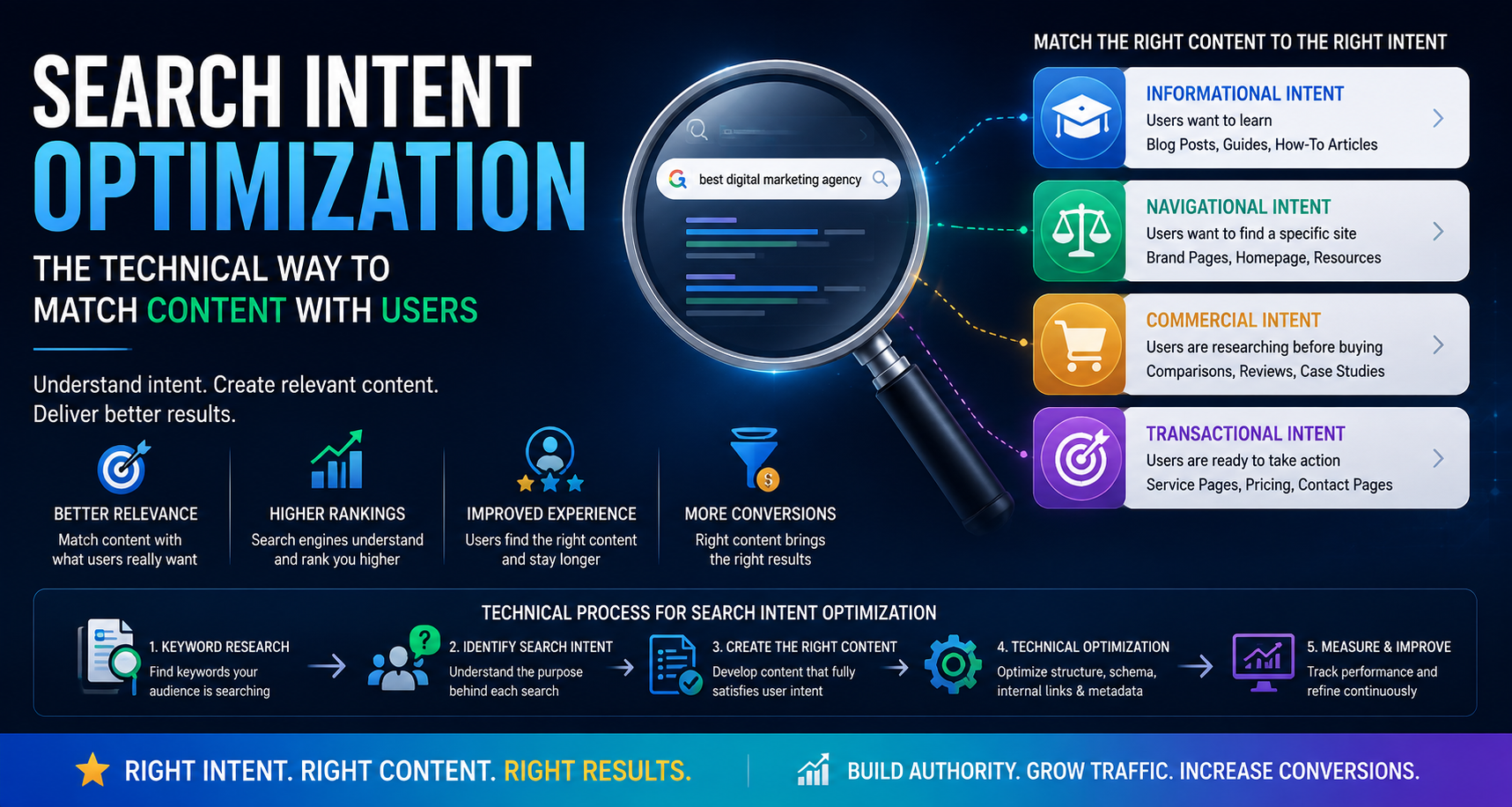
    Search Intent Optimization: The Technical Way to Match Content With Users

    Introduction

    Two users can search different keywords but have the same objective.

    For example:

    • “SEO company”
    • “best SEO agency”
    • “SEO services for business”

    These searches may have strong commercial intent.

    Types of Search Intent

    Informational

    The user wants information.

    Example:

    What is technical SEO?

    Commercial

    The user is researching a potential purchase.

    Example:

    Best SEO company for small business

    Transactional

    The user is ready to take action.

    Example:

    Hire SEO agency

    Navigational

    The user wants a specific website or brand.

    How to Optimize for Intent

    Before creating a page, ask:

    1. What does the user want?
    2. What type of page satisfies that need?
    3. What information should appear first?
    4. What action should the visitor take?

    Search Intent and Conversions

    Matching intent can improve both SEO and business performance.

    An informational article can introduce a customer to your company, while a commercial service page can convert a ready-to-buy visitor.

    Conclusion

    Modern SEO should optimize for people’s goals, not just keywords.

    CTA:
    Let our SEO team analyze your keywords and create an intent-based content strategy.

  • Topical Authority: How to Build SEO Authority for Your Business Website

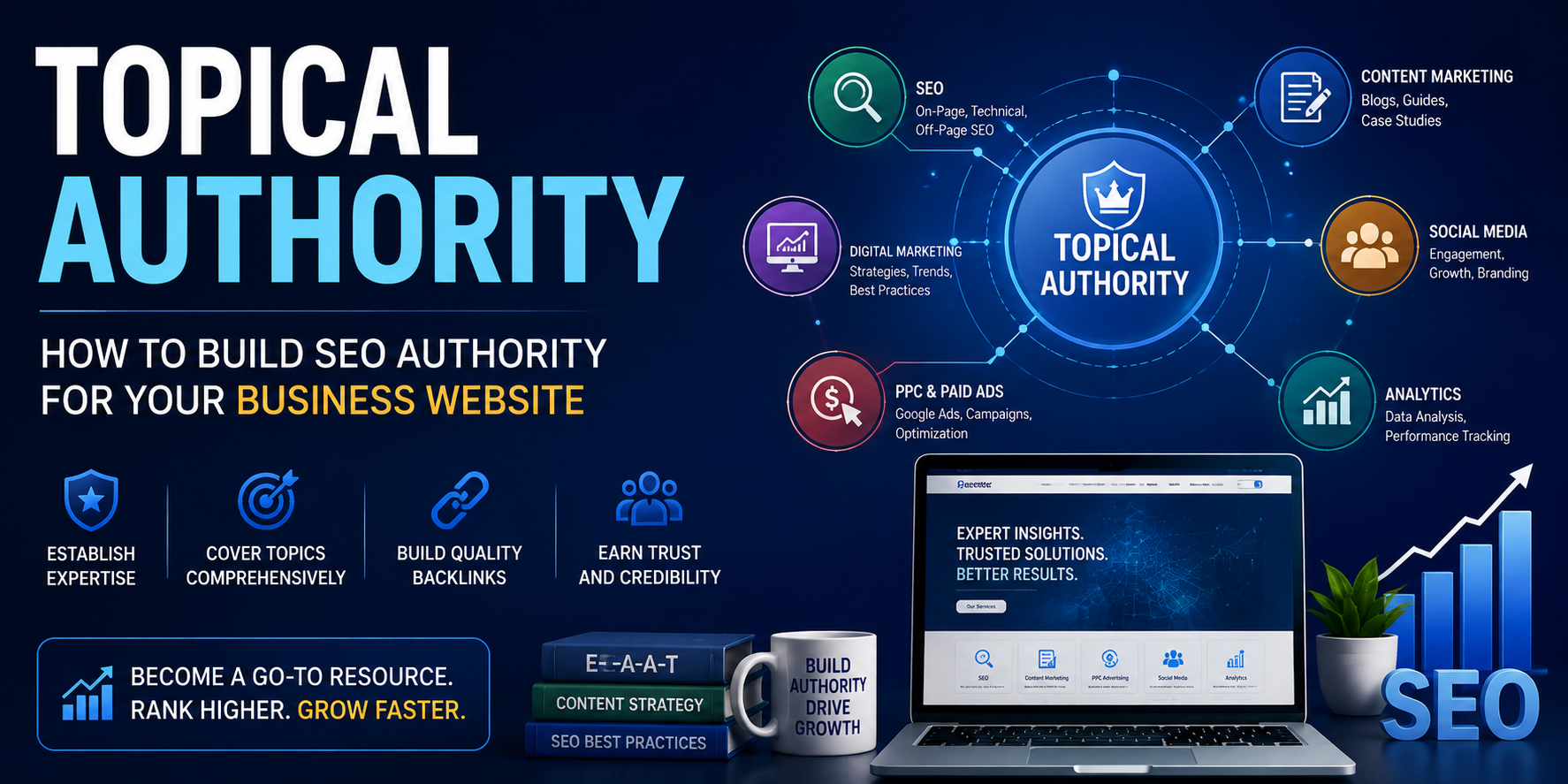
    Topical Authority: How to Build SEO Authority for Your Business Website

    Introduction

    Search engines increasingly understand relationships between topics rather than looking only at individual keywords.

    For businesses, this means creating a complete information ecosystem around their services.

    What Is Topical Authority?

    Topical authority means your website demonstrates strong and comprehensive knowledge about a particular subject.

    For example, a digital marketing company could build content around:

    Digital Marketing

    → SEO
    → Technical SEO
    → PPC
    → Social Media
    → Content Marketing
    → Analytics
    → Conversion Optimization

    How to Build It

    1. Create a Pillar Page

    Create a comprehensive page covering your main service.

    2. Create Supporting Articles

    Publish detailed articles covering related questions.

    3. Use Internal Links

    Connect supporting articles to the main service page.

    4. Demonstrate Expertise

    Include original examples, case studies, statistics, and practical advice.

    Why It Matters

    A strong topical structure helps users discover related information and gives search engines clearer context about your website.

    Conclusion

    Instead of publishing hundreds of unrelated articles, businesses should build organized content ecosystems.

    CTA:
    Our SEO experts can create a complete topical-authority strategy for your website.

  • AI Search Visibility: How to Track Your Website in Google AI Overviews

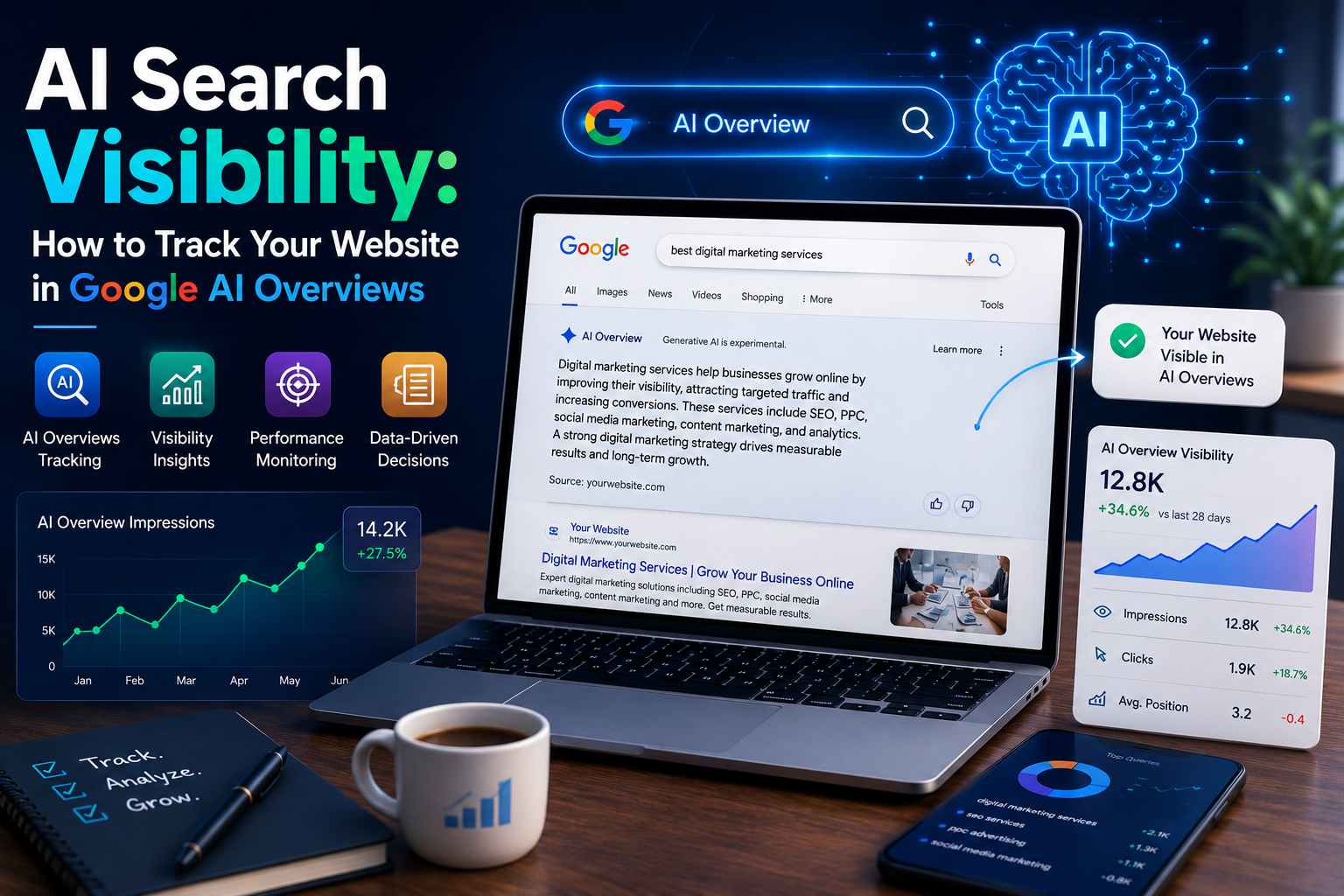
    AI Search Visibility: How to Track Your Website in Google AI Overviews

    Introduction

    Search behavior is changing. Users can now receive AI-generated responses alongside traditional search results. Google says its generative AI search features are built on its existing Search ranking and quality systems, so fundamental SEO remains important.

    What Is AI Search Visibility?

    AI search visibility means how often your website, brand, products, or content can appear as a useful source within AI-powered search experiences.

    Important factors include:

    • Crawlable website pages
    • High-quality content
    • Strong topical relevance
    • Original information
    • Clear website structure
    • Strong technical SEO

    How Can Businesses Improve Visibility?

    Create Original Content

    Avoid simply rewriting information already available online. Add examples, experience, data, research, and practical solutions.

    Optimize Existing SEO

    Your important pages should be:

    • Indexed
    • Mobile-friendly
    • Technically accessible
    • Internally linked
    • Relevant to search intent

    Build Topical Authority

    Create connected content around your services rather than publishing unrelated articles.

    Measuring AI Search

    Google announced dedicated Search Console reporting for impressions from generative AI features, including AI Overviews and AI Mode, although the reporting is being rolled out gradually.

    Conclusion

    AI search does not replace SEO. It makes a strong SEO foundation even more important.

    CTA:
    Our digital marketing team can audit your website and create an AI-search visibility strategy.