Blog

  • Website Migration SEO: How to Move a Website Without Losing Rankings

    Website Migration SEO: How to Move a Website Without Losing Rankings

    Introduction

    A website migration can involve:

    • New domain
    • New CMS
    • New URL structure
    • Website redesign
    • HTTPS migration
    • Hosting changes

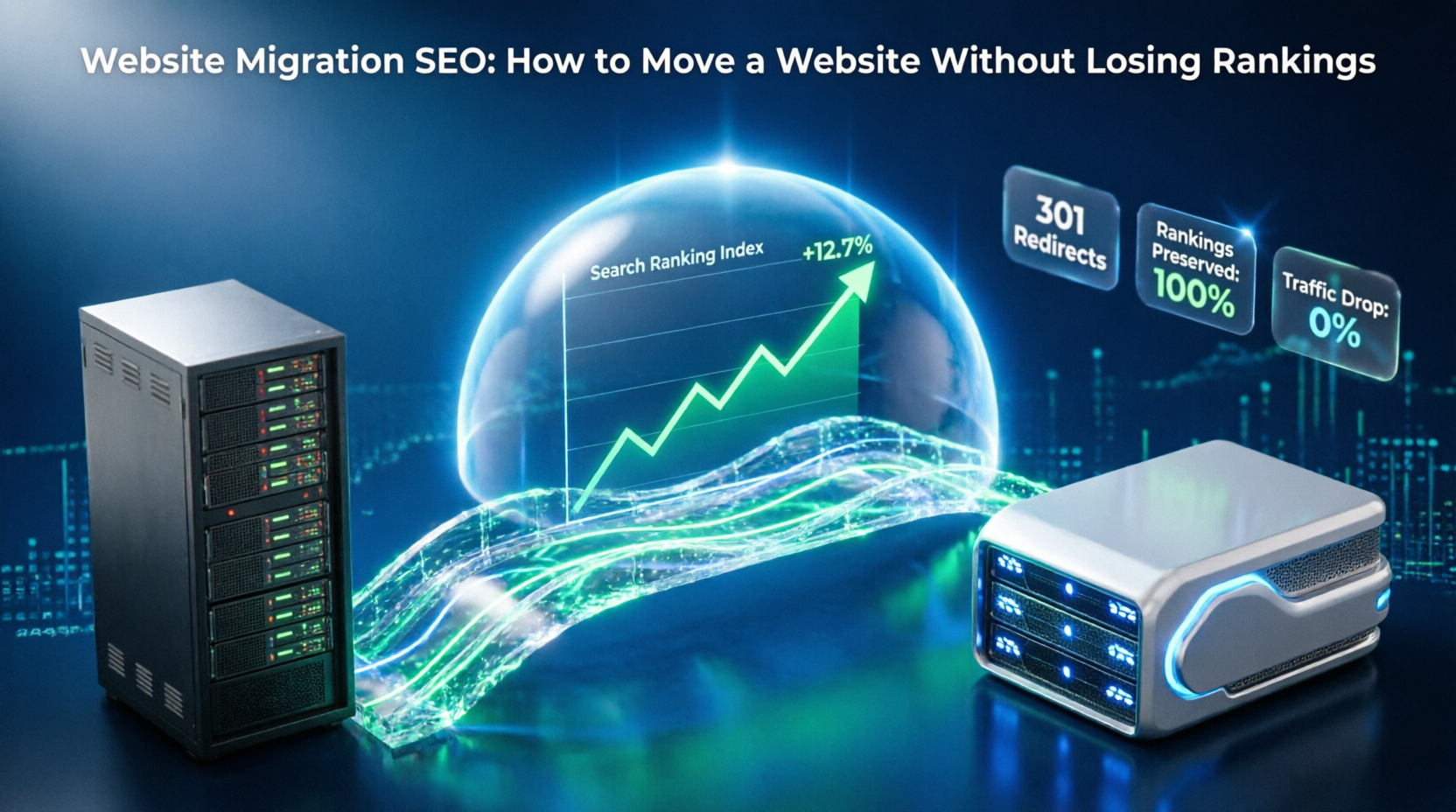
    Without proper planning, organic traffic can decline.

    Pre-Migration Checklist

    Before migration:

    1. Crawl the existing website.
    2. Export important URLs.
    3. Record organic traffic.
    4. Identify valuable pages.
    5. Map old URLs to new URLs.
    6. Review internal links.

    Redirects

    Use appropriate redirects when URLs change.

    Each important old URL should point to the most relevant new destination.

    After Migration

    Check:

    • Indexing
    • Redirects
    • Canonicals
    • Sitemap
    • Robots.txt
    • Internal links
    • Analytics
    • Search Console

    Monitor Traffic

    Compare performance before and after migration.

    Unexpected drops should be investigated quickly.

    Conclusion

    SEO migration should be treated as a technical project rather than simply a website launch.
  • Mobile-First SEO: How to Optimize Websites for Mobile Users

    Mobile-First SEO: How to Optimize Websites for Mobile Users

    Introduction

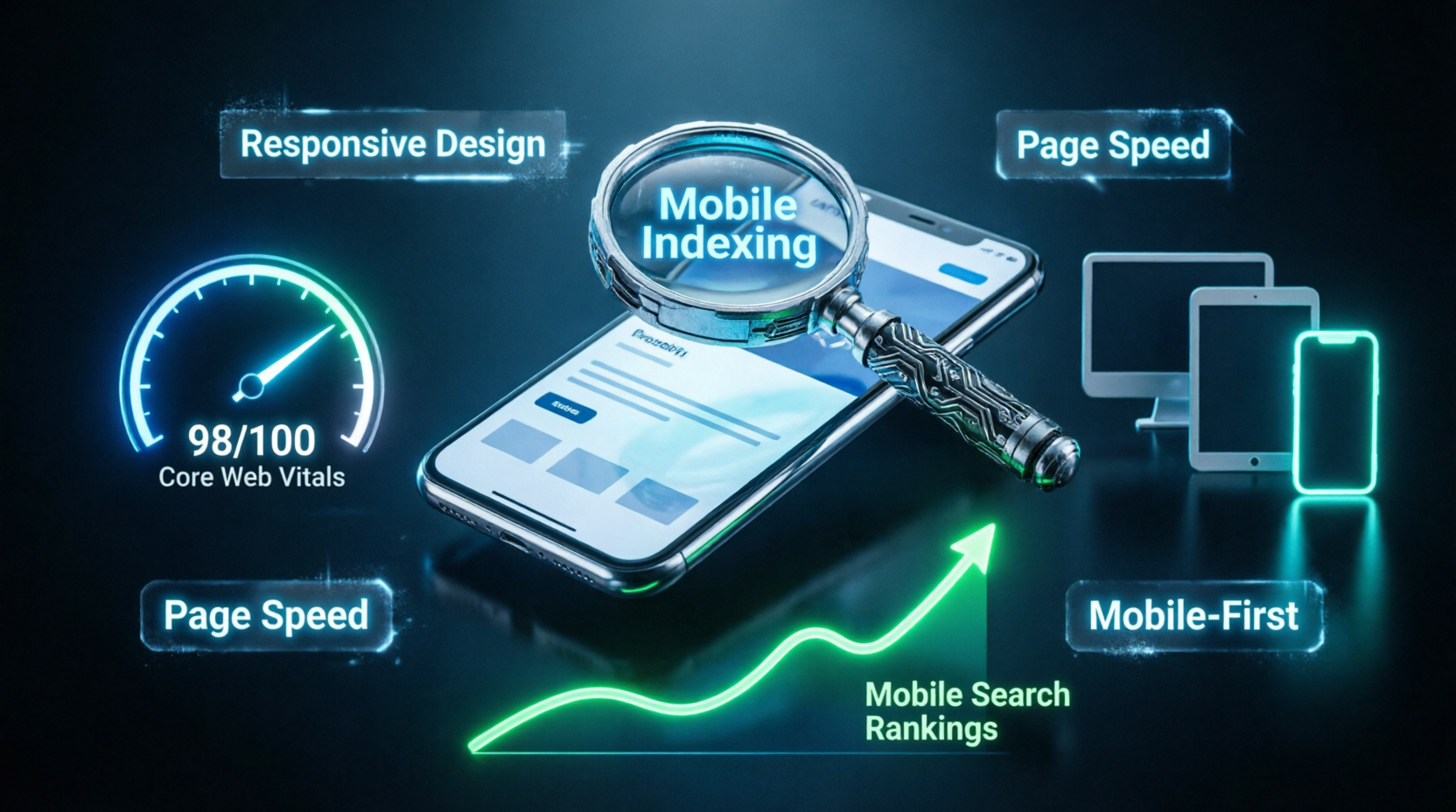
    A website must work effectively on smartphones and tablets.

    Mobile optimization is no longer an optional feature for businesses competing online.

    Important Mobile SEO Factors

    Responsive Design

    Your website should adapt to different screen sizes.

    Easy Navigation

    Menus and buttons should be easy to use on smaller screens.

    Readable Content

    Users should not need to zoom or scroll horizontally to read important information.

    Fast Performance

    Mobile users may have slower connections, making performance optimization particularly important.

    Mobile Content

    Make sure important information available on desktop is also accessible on mobile.

    Avoid hiding essential content simply because the screen is smaller.

    Test Regularly

    Check:

    • Forms
    • Buttons
    • Navigation
    • Images
    • Fonts
    • Checkout
    • Contact options

    Conclusion

    Mobile SEO should be part of website development from the beginning—not something added later.

  • Image SEO: How to Optimize Website Images for Search and Performance

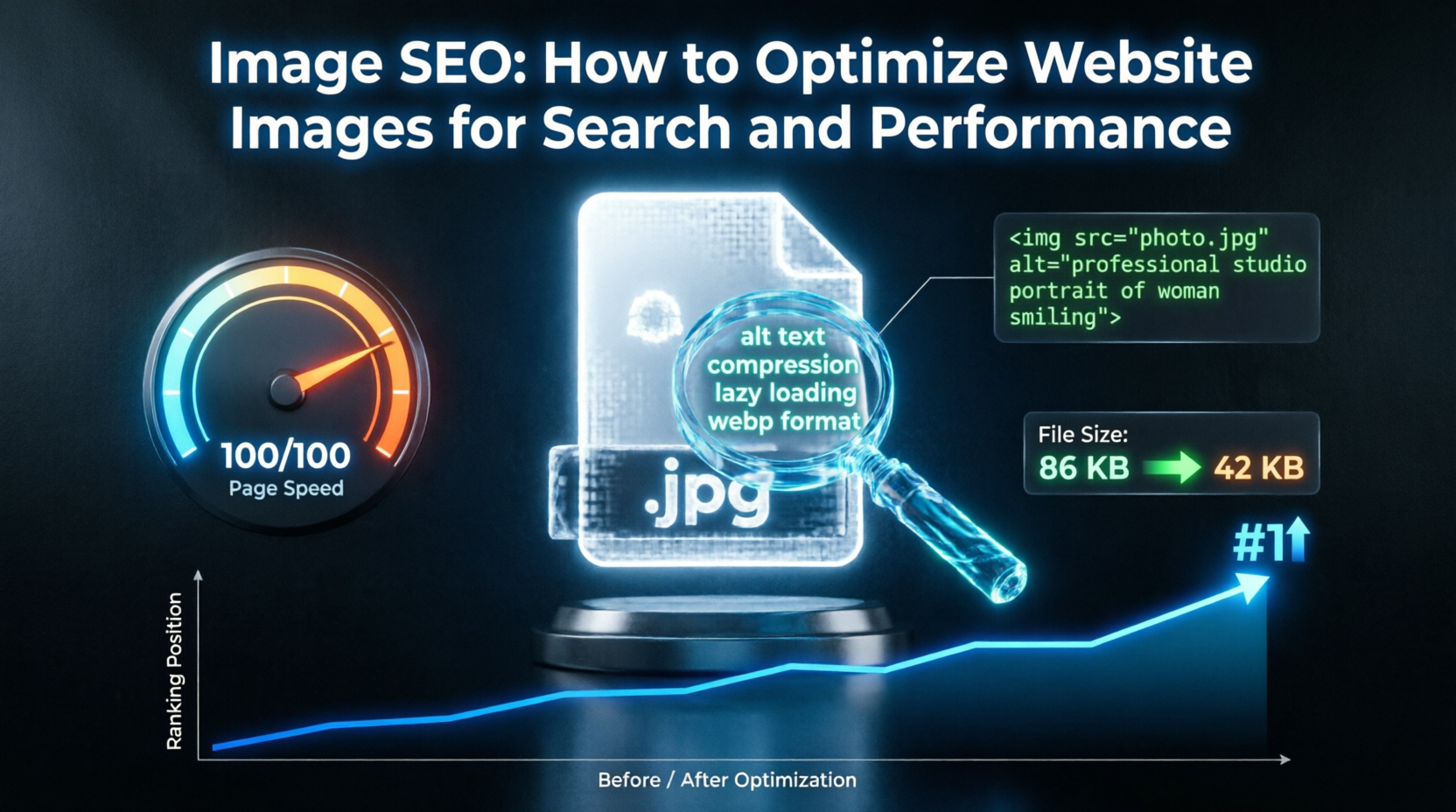
    Image SEO: How to Optimize Website Images for Search and Performance

    Introduction

    Images are an important part of modern websites.

    However, large or poorly implemented images can increase page weight and reduce performance.

    Image SEO Best Practices

    Use Descriptive File Names

    Instead of:

    IMG12345.jpg

    Use something meaningful such as:

    digital-marketing-strategy.jpg

    Add Useful Alt Text

    Alt text should describe the image where appropriate.

    Choose Appropriate Formats

    Use modern image formats where they provide benefits for your website.

    Resize Images

    Do not upload a huge image when a smaller version is sufficient.

    Compress Images

    Compression can reduce file size while maintaining acceptable quality.

    Lazy Loading

    Images below the initial viewport can often be lazy-loaded to reduce unnecessary initial loading.

    Conclusion

    Image SEO combines accessibility, performance, user experience, and search optimization.

  • Semantic SEO: How to Create Content Search Engines Can Understand

    Semantic SEO: How to Create Content Search Engines Can Understand

    Introduction

    Search engines have become better at understanding language and context.

    This means a page can rank for related queries even when it doesn’t repeat an exact keyword many times.

    What Is Semantic SEO?

    Semantic SEO involves creating content around a complete topic and its related concepts.

    For example, an article about SEO services could naturally discuss:

    • Technical SEO
    • Keyword research
    • Content optimization
    • Internal linking
    • Search intent
    • Analytics

    How to Implement Semantic SEO

    Cover Related Questions

    Research the questions customers ask around your primary topic.

    Use Clear Structure

    Organize information with descriptive headings.

    Connect Related Pages

    Use internal links to connect supporting content.

    Add Context

    Explain concepts rather than simply inserting keywords.

    Avoid Keyword Stuffing

    Repeating the same keyword excessively can make content unnatural.

    Write for people first and optimize the structure for search engines.

    Conclusion

    Semantic SEO helps businesses create deeper, more useful content.

  • Entity SEO: How Search Engines Understand Your Business

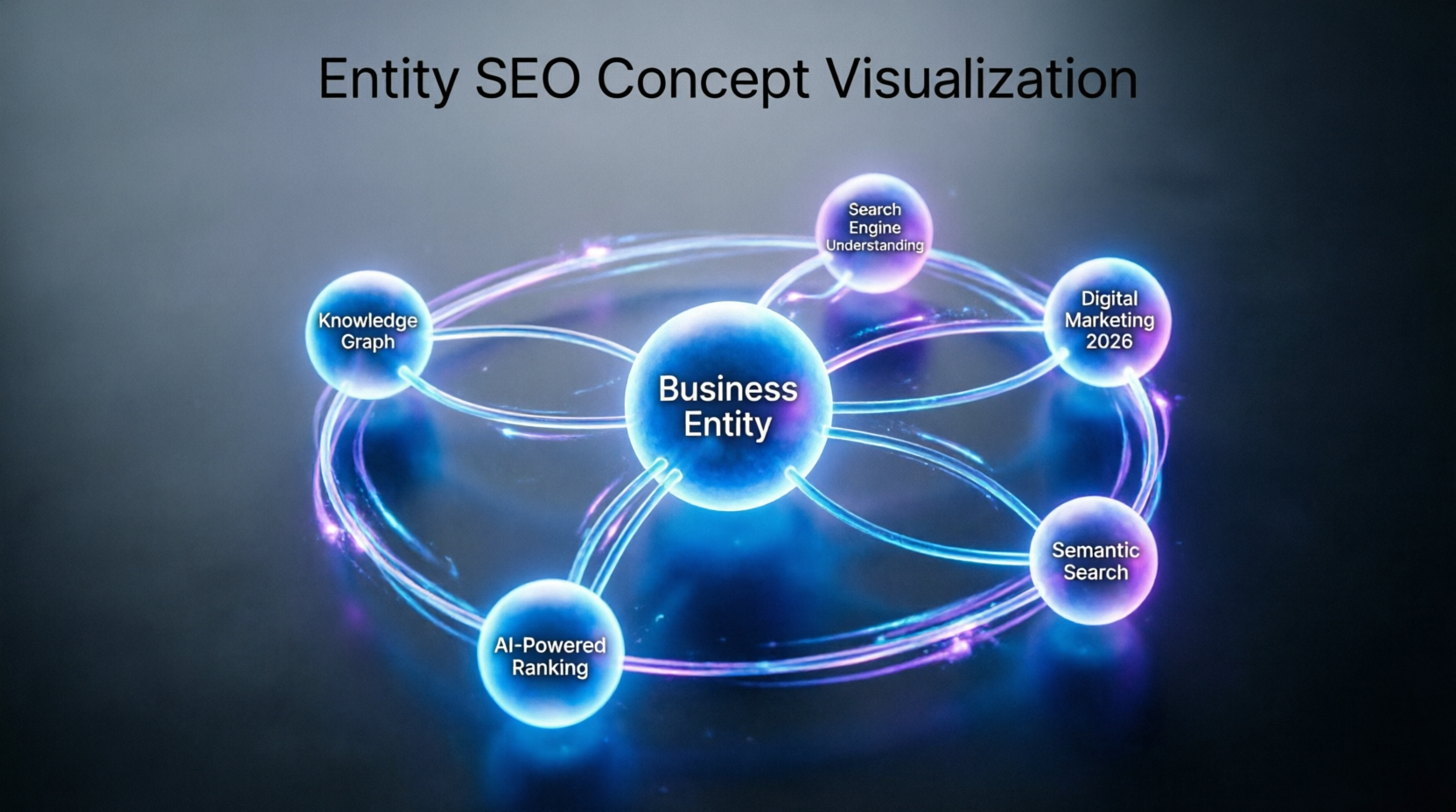
    Entity SEO: How Search Engines Understand Your Business

    Introduction

    SEO has evolved beyond simply placing keywords on webpages.

    Search engines increasingly try to understand who, what, where, and how entities are connected.

    For a digital marketing company, the goal is to make the business clearly understandable across its website and other trusted online sources.

    What Is Entity SEO?

    An entity can represent a person, company, organization, product, location, or concept.

    For example:

    Digital Marketing Company → SEO → PPC → Content Marketing → Analytics

    Creating clear relationships between these topics helps establish context.

    How to Strengthen Entity Signals

    Businesses should maintain:

    • Consistent company information
    • Clear About pages
    • Detailed service pages
    • Organization information
    • Author information
    • Relevant structured data
    • Consistent brand mentions

    Why Entity SEO Matters

    A search engine should be able to understand:

    • What your company does
    • Which services you provide
    • Which industries you serve
    • Where you operate
    • What topics you specialize in

    Conclusion

    Entity-focused SEO is about building a clear and trustworthy digital identity rather than simply repeating keywords.

  • Digital Marketing Dashboard: The Essential KPIs Every Business Should Track

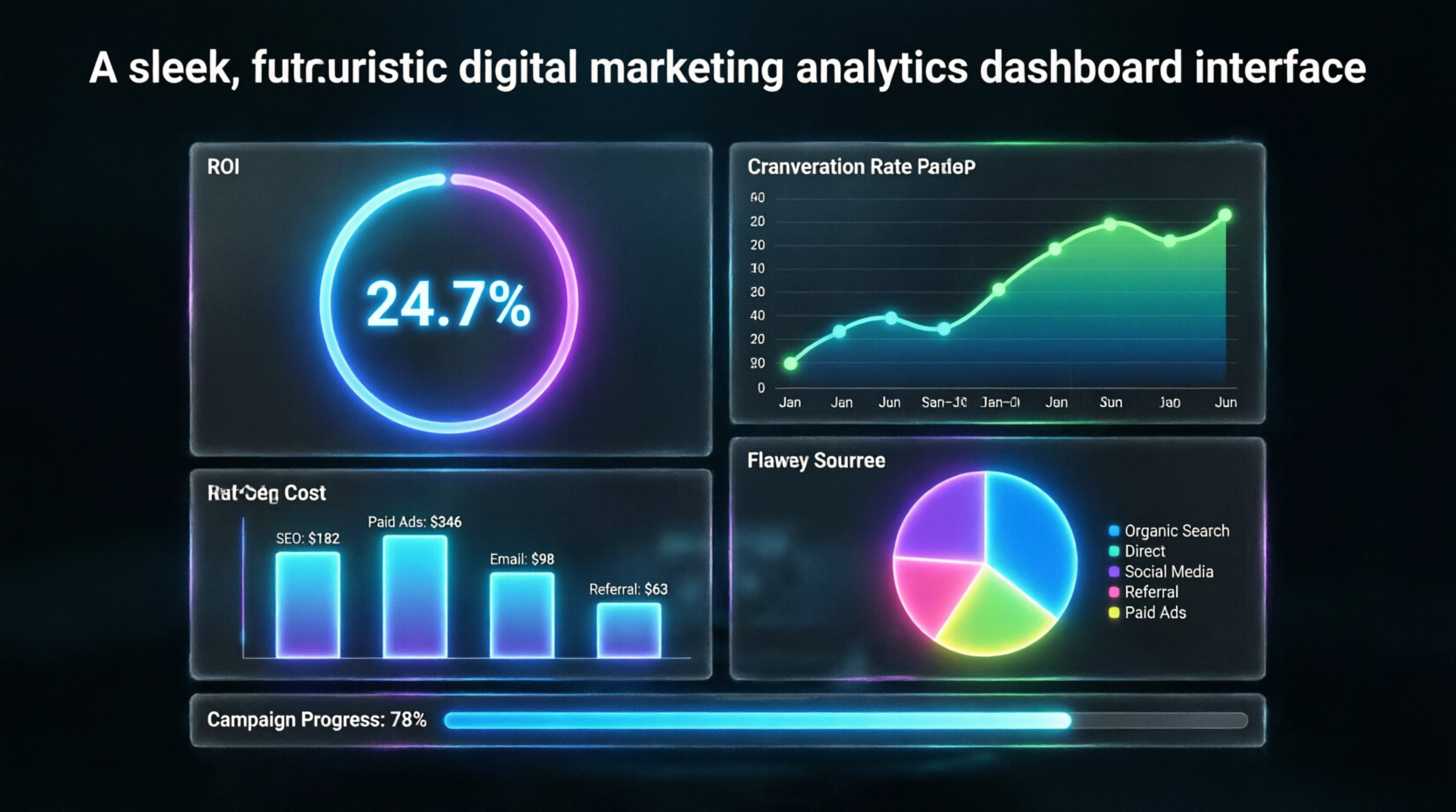
    Digital Marketing Dashboard: The Essential KPIs Every Business Should Track

    Introduction

    Digital marketing generates large amounts of data.

    The challenge isn’t collecting data.

    The challenge is understanding which numbers actually matter.

    SEO KPIs

    Track:

    • Organic clicks
    • Impressions
    • Search visibility
    • Important keyword performance
    • Organic conversions
    • Indexed pages

    PPC KPIs

    Monitor:

    • Ad spend
    • Clicks
    • CTR
    • CPC
    • Conversions
    • Cost per conversion
    • ROAS

    Website KPIs

    Track:

    • Users
    • Engagement
    • Landing pages
    • Conversion rate
    • Form submissions
    • Revenue

    Social Media KPIs

    Depending on your goals:

    • Reach
    • Engagement
    • Video views
    • Website traffic
    • Leads
    • Conversions

    Business KPIs

    Ultimately, the most important metrics are:

    Leads → Customers → Revenue → Profitability

    Google Analytics continues to add features for better cross-channel reporting, campaign analysis, attribution, and budgeting in 2026.

    Build a Simple Dashboard

    A useful dashboard should answer:

    1. How much traffic are we receiving?
    2. Where is it coming from?
    3. How many leads are we generating?
    4. What does each lead cost?
    5. Which channels generate customers?
    6. How much revenue is marketing producing?

    Conclusion

    A marketing dashboard should make decision-making easier—not simply display hundreds of numbers.

  • Zero-Click Search in 2026: How Businesses Can Win Visibility Without a Website Click

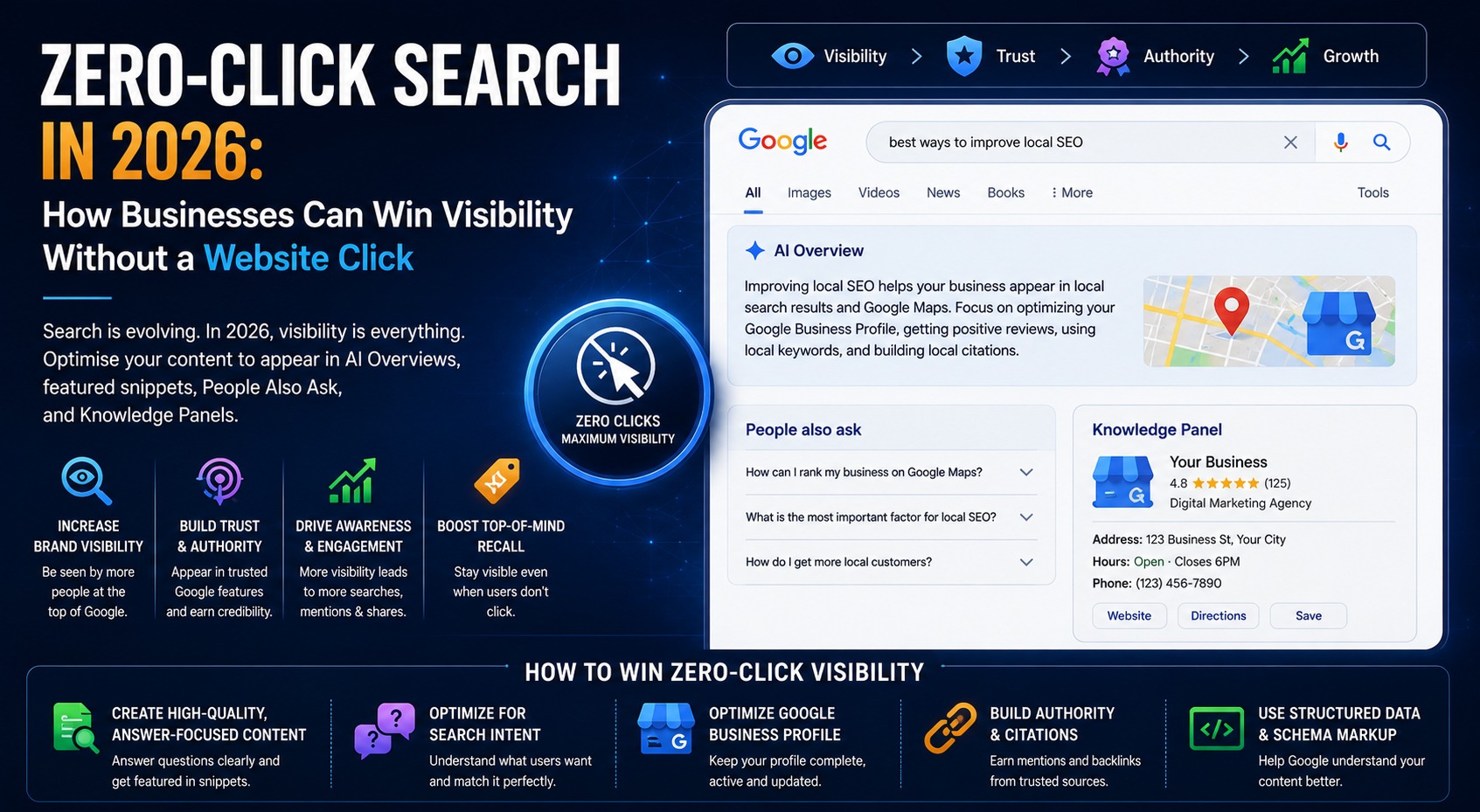
    Zero-Click Search in 2026: How Businesses Can Win Visibility Without a Website Click

    Introduction

    Traditional SEO often focused on getting users to click a search result.

    Modern search can provide answers directly within the search experience.

    This creates a challenge:

    What happens when users see your brand but don’t click?

    What Is Zero-Click Search?

    Zero-click search occurs when a user obtains useful information directly from the search results without visiting a website.

    Examples can include:

    • Business information
    • Quick answers
    • Maps
    • Search features
    • AI-generated responses

    Does This Make SEO Less Valuable?

    Not necessarily.

    Visibility can still contribute to:

    • Brand recognition
    • Trust
    • Future searches
    • Direct visits
    • Conversions later in the journey

    What Should Businesses Measure?

    Look beyond clicks.

    Consider:

    • Impressions
    • Brand searches
    • Organic visibility
    • Leads
    • Conversions
    • Returning users

    Google’s 2026 Search guidance emphasizes that SEO fundamentals remain relevant to generative AI search experiences.

    Conclusion

    Modern SEO should measure the complete customer journey, not just website clicks.

  • Content Decay: How to Recover Traffic From Old Blog Posts

    Content Decay: How to Recover Traffic From Old Blog Posts

    Introduction

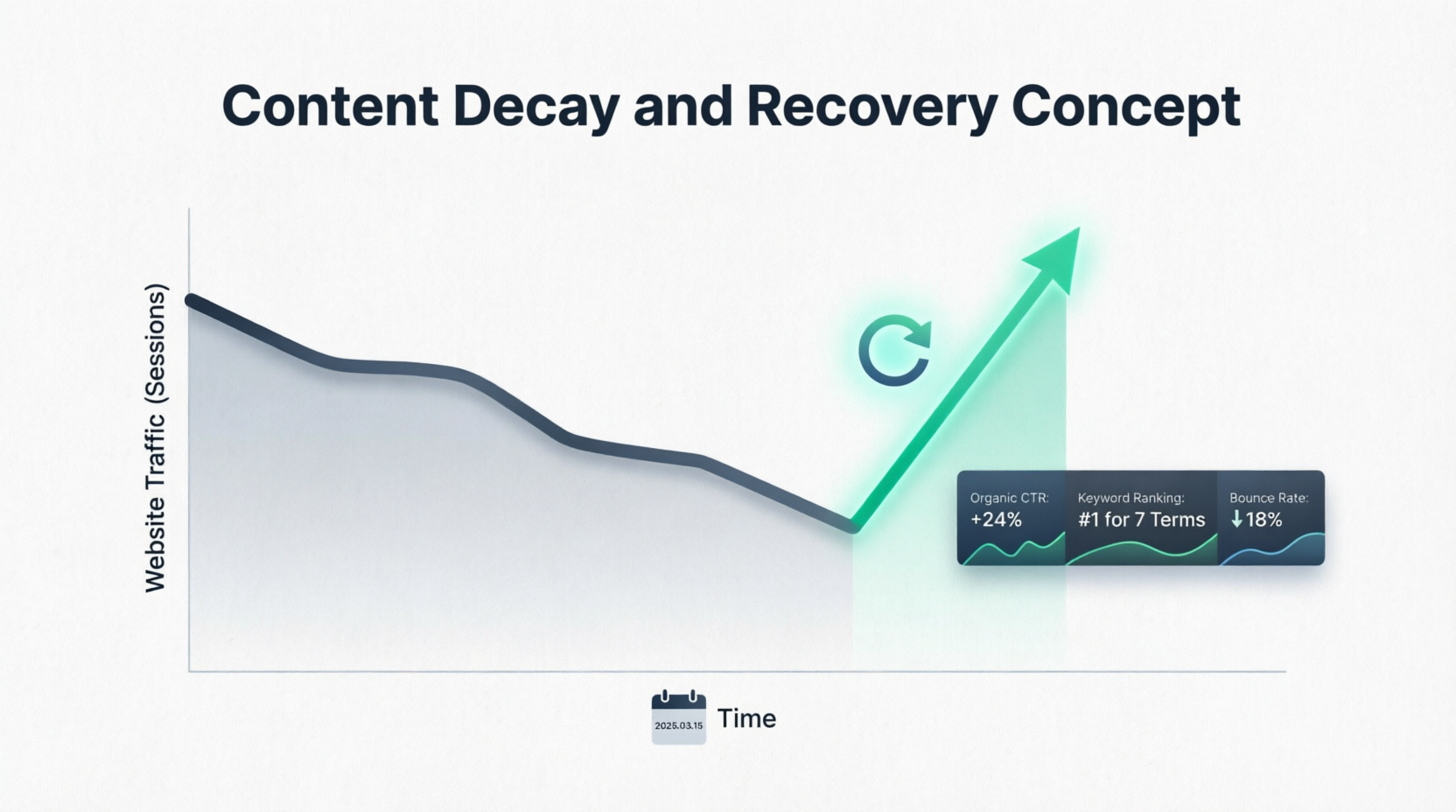
    Some websites have hundreds of old blog posts that once generated traffic but now receive very few visitors.

    This is known as content decay.

    Why Content Loses Traffic

    Possible reasons include:

    • Outdated information
    • Changing search intent
    • New competitors
    • Better competing content
    • Broken links
    • Outdated statistics
    • Weak internal linking

    How to Find Decaying Content

    Analyze historical:

    • Organic traffic
    • Impressions
    • Clicks
    • Rankings
    • Conversions

    Look for pages with significant historical performance that are now declining.

    How to Update Them

    Update Information

    Replace outdated facts and statistics.

    Improve Structure

    Add useful headings and clearer explanations.

    Strengthen Internal Links

    Connect the article with newer relevant pages.

    Improve Search Intent

    Make sure the article still answers what users are searching for.

    Conclusion

    An SEO strategy should include both content creation and content maintenance.

    Updating valuable existing pages can be an important part of organic growth.

  • Consent Mode and Marketing Analytics: A 2026 Technical Guide

    Consent Mode and Marketing Analytics: A 2026 Technical Guide

    Introduction

    Modern analytics must balance measurement with user privacy.

    Consent systems allow businesses to respect user choices while maintaining appropriate measurement capabilities.

    What Is Consent Mode?

    Consent Mode helps Google tags adjust their behavior based on users’ consent choices.

    Google announced changes in 2026 that simplify controls between Google Analytics and Google Ads, with Consent Mode becoming the key control for certain Google Signals-related data flows.

    Why Businesses Should Care

    Incorrect tracking configuration can cause:

    • Missing conversion data
    • Inaccurate campaign reporting
    • Poor attribution
    • Inconsistent analytics

    Technical Checklist

    Businesses should review:

    • Consent banner
    • Analytics configuration
    • Advertising tags
    • Conversion tracking
    • Google Ads integration
    • Privacy settings
    • Data collection behavior

    Conclusion

    Privacy and measurement should not be treated as separate technical issues.

    A properly configured analytics system can help businesses make better marketing decisions while respecting user choices.

  • Cross-Channel Marketing Attribution: How to Measure Every Marketing Channel

    Cross-Channel Marketing Attribution: How to Measure Every Marketing Channel

    Introduction

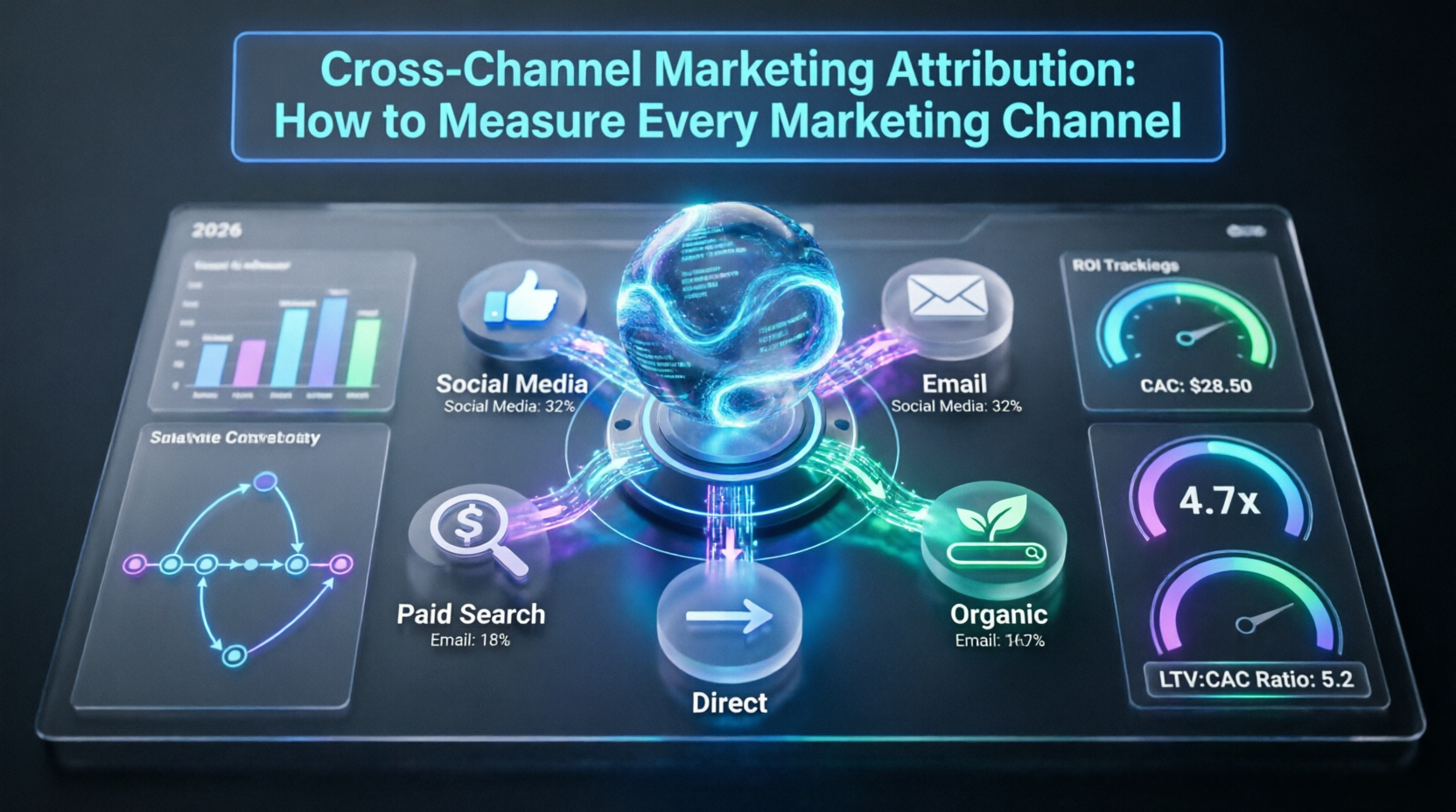
    A customer may discover your company through Google, visit your website from social media, return through an advertisement, and finally submit a form.

    Which channel generated the customer?

    The answer is not always simple.

    What Is Attribution?

    Attribution attempts to understand how marketing interactions contribute to conversions.

    Common channels include:

    • Organic Search
    • Google Ads
    • Social Media
    • Email
    • Direct Traffic
    • Referral Traffic

    Why Cross-Channel Measurement Matters

    Without proper measurement, businesses may:

    • Overinvest in one channel
    • Underestimate another channel
    • Miscalculate acquisition costs
    • Make poor budget decisions

    Google Analytics has introduced newer tools for cross-channel analysis and budgeting during 2026.

    What Should Businesses Track?

    Monitor:

    • Leads
    • Revenue
    • Conversion rate
    • Cost per acquisition
    • Channel contribution
    • Customer journey

    Conclusion

    Marketing decisions should be based on business outcomes rather than clicks alone.