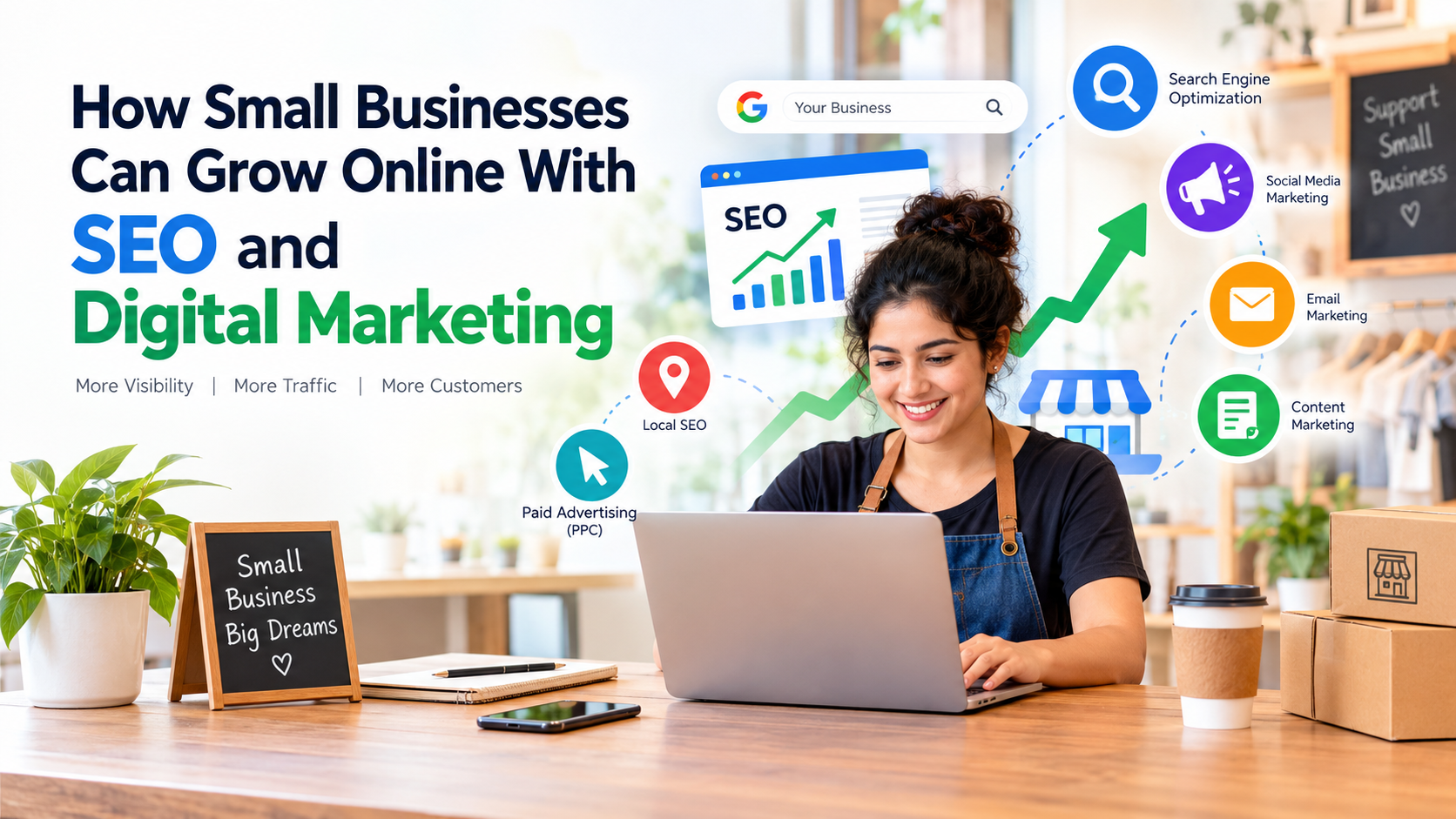
Understand Your Target Audience
Before investing in digital marketing, identify the people most likely to need your products or services. Consider their interests, common problems, purchasing habits, and the questions they ask before making a decision.
Customer research can help you choose relevant topics, create useful website pages, and develop marketing messages that speak directly to your audience.
For example, a local service provider may want to reach customers searching for solutions in a specific city. An online store may focus on people comparing product features, prices, and customer reviews.
When you understand your audience, you can create more relevant content and avoid wasting resources on visitors who are unlikely to become customers.
Build a Strong SEO Foundation
SEO helps search engines understand your website and helps users discover your pages through relevant searches. A strong foundation begins with keyword research, a logical website structure, descriptive page titles, useful headings, and clear URLs.
Choose keywords that reflect what your audience actually wants to know. Some people search for general information, while others are ready to compare services or make a purchase. Your content should match the purpose behind each search.
Technical SEO is equally important. Make sure your website works well on mobile devices, loads efficiently, uses secure HTTPS connections, and allows important pages to be crawled and indexed.
For a deeper understanding of optimization, businesses should develop a consistent SEO strategy that connects technical improvements with useful content and measurable goals.
Create Valuable and Helpful Content
Content marketing gives businesses an opportunity to answer customer questions and demonstrate their knowledge. Blog posts, tutorials, product guides, frequently asked questions, and case studies can help visitors understand their options.
Rather than publishing articles only to include keywords, focus on providing clear and practical information. Use descriptive headings, short paragraphs, examples, and relevant images to make content easier to read.
A useful content plan should also connect related topics. For instance, a business offering website services could publish articles about website design, site performance, online security, and search optimization.
Consistent, helpful content can support search visibility while giving potential customers more reasons to trust your business.
Use Social Media to Increase Brand Awareness
Social media can help businesses introduce their services, share useful information, and communicate with customers. However, every business does not need to be active on every platform.
Choose channels that suit your audience and business type. A company serving other businesses may benefit from professional networking platforms, while a visual brand may find image- and video-focused channels more suitable.
Share a mix of educational content, company updates, product information, and answers to common questions. Respond to comments and messages professionally, and use customer feedback to improve your communication.
Social media works best when it supports a wider digital marketing strategy rather than operating as an isolated activity.
Improve the Website Experience
Attracting visitors is only part of the process. Your website should make it easy for people to find information and understand what to do next.
Use clear navigation, readable text, relevant images, and straightforward calls to action. Important information such as services, pricing details where appropriate, contact options, and frequently asked questions should be easy to find.
Check your website on smartphones, tablets, and desktop computers. Broken links, confusing layouts, and slow-loading pages can frustrate visitors and reduce the likelihood that they will contact your business.
A helpful website experience can support both customer satisfaction and marketing performance.
Build Trust and Earn Relevant Backlinks
Trust is essential for long-term online growth. Businesses can strengthen credibility by publishing accurate information, displaying clear contact details, responding to customer questions, and sharing genuine examples of their work.
Relevant backlinks can also help users discover your content through other websites. Consider contributing expert articles to suitable publications, creating useful resources that others may reference, and building genuine relationships with businesses in related industries.
Avoid relying on large quantities of irrelevant or manipulative links. Prioritize editorial relevance, useful content, and links that make sense for readers.
Measure Your Marketing Performance
Digital marketing should be reviewed regularly to understand which activities are producing useful results. Website analytics and search performance tools can help you monitor organic traffic, search impressions, click-through rates, enquiries, and conversions.
Focus on metrics connected to your business goals. If you want more enquiries, track form submissions and calls rather than relying only on page views or social media likes.
Review your results to identify successful pages, improve underperforming content, and adjust your priorities. Marketing plans should evolve as your audience, competition, and business objectives Chang
Leave a Reply