Author: Saad Ansari

  • Digital Marketing Strategy for 2026: The Complete Growth Framework

    Digital Marketing Strategy for 2026: The Complete Growth Framework

    Introduction

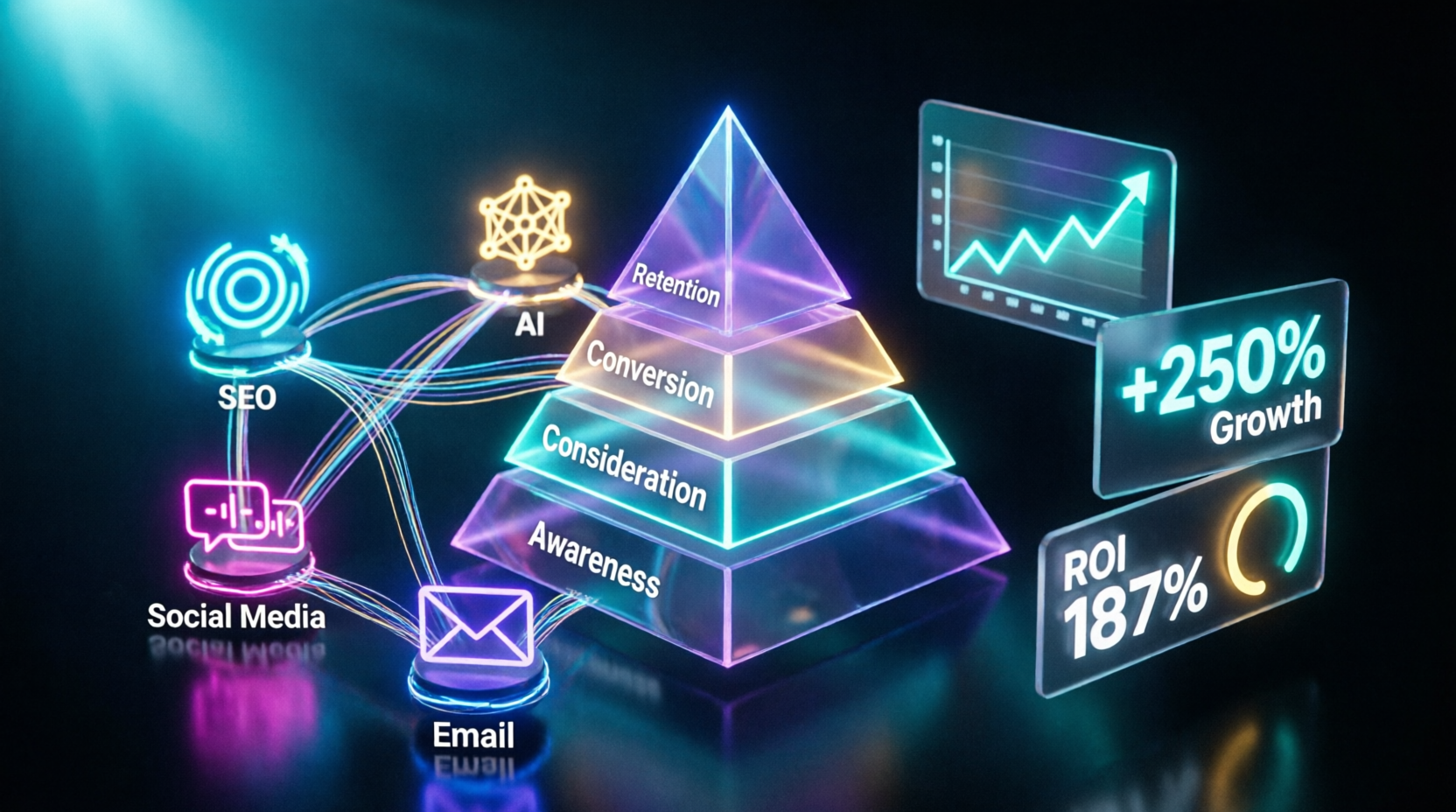
    Digital marketing is no longer a collection of separate channels.

    A customer might discover a business through Google, see a social media post, read a blog, watch a video and finally convert through a paid advertisement.

    This makes an integrated strategy more important than ever.

    Current marketing research shows that AI, automation, personalized content and adapting SEO to changing search behavior are among the major priorities for marketers in 2026.

    Build a Strong SEO Foundation

    Start with technical SEO:

    • Crawlability
    • Indexing
    • Site structure
    • Mobile optimization
    • Performance
    • Internal links
    • Structured data

    Then develop useful content around customer search intent.

    Optimize for AI Search

    Search is becoming more fragmented across traditional search engines and AI-powered platforms. Businesses should build strong topical authority and make their expertise easy to understand.

    AI visibility should be considered alongside traditional organic performance.

    Combine SEO and PPC

    SEO can generate sustainable organic visibility, while PPC can provide immediate paid exposure.

    Modern search journeys increasingly combine AI answers, paid advertisements and organic results, making coordination between SEO and PPC more important.

    Use Content Across Multiple Channels

    One strong piece of content can become:

    • Blog content
    • Social posts
    • Short videos
    • Email content
    • Infographics
    • LinkedIn posts
    • Video scripts

    This creates a more efficient content ecosystem.

    Measure What Matters

    Your marketing dashboard should connect activity with business outcomes.

    Track:

    • Traffic
    • Leads
    • Qualified leads
    • Sales
    • Conversion rate
    • Customer acquisition cost
    • Revenue
    • ROI

    The 2026 Growth Framework

    A strong digital marketing strategy can follow this process:

    Research → Strategy → SEO → Content → Paid Marketing → Conversion Optimization → Analytics → Continuous Improvement

    The businesses that succeed in 2026 will not necessarily be those using the most tools. They will be the businesses that connect technology, data, content and human expertise into one clear customer journey.

  • SEO Analytics in 2026: The Metrics That Actually Matter

    SEO Analytics in 2026: The Metrics That Actually Matter

    Introduction

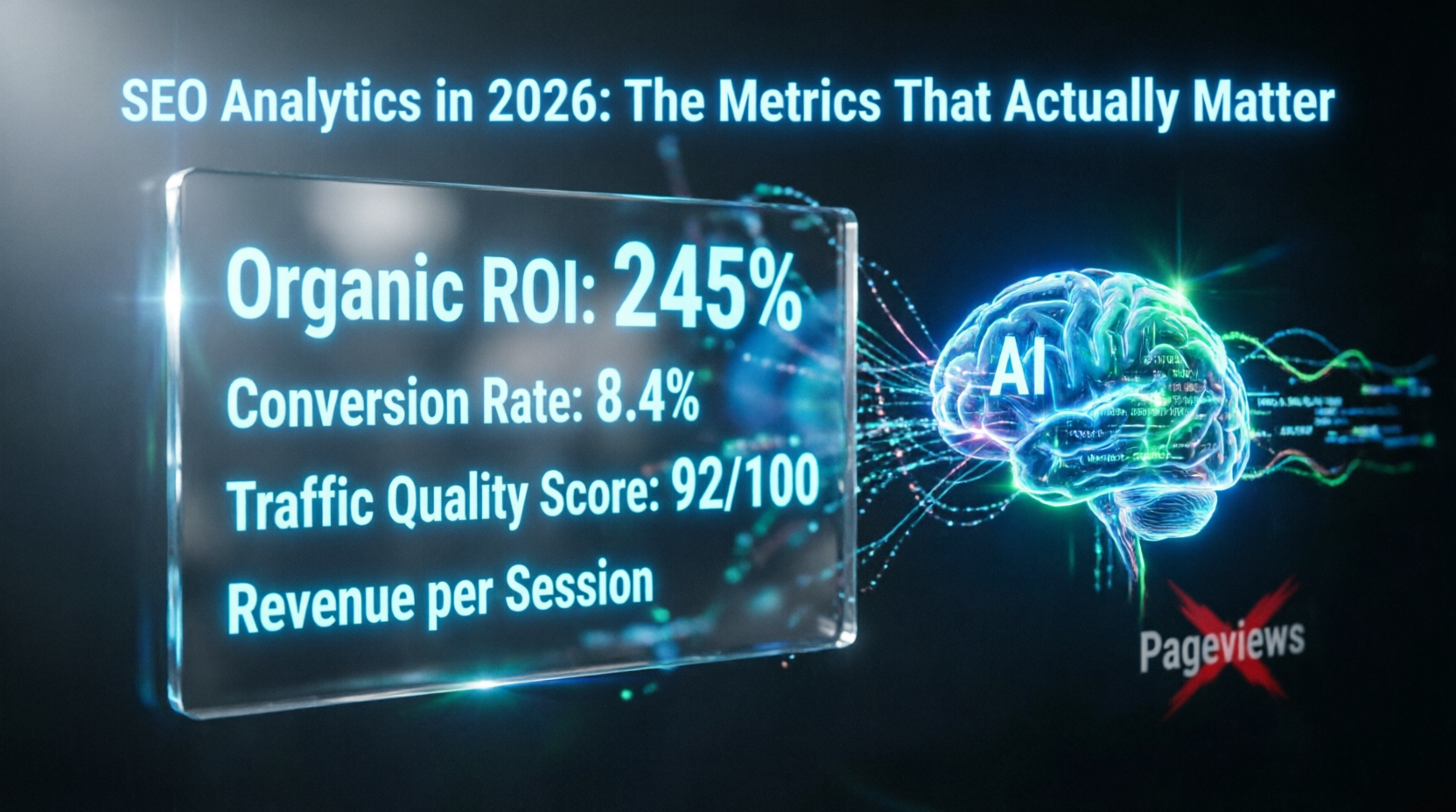
    Many businesses still judge SEO success primarily through rankings.

    Rankings are useful, but they do not tell the complete story.

    A keyword ranking in position one is valuable only if it attracts the right audience and contributes to business goals.

    Important SEO Metrics

    Organic Impressions

    Impressions show how frequently your website appears in search results.

    Organic Clicks

    Clicks show how much traffic search visibility generates.

    CTR

    Click-through rate helps evaluate how effectively search listings attract users.

    Conversions

    Conversions show whether organic visitors take valuable actions.

    Examples include:

    • Contact forms
    • Calls
    • Purchases
    • Quote requests
    • Bookings

    Qualified Leads

    Not every conversion is equally valuable.

    A smaller number of highly qualified leads can be more valuable than hundreds of low-quality enquiries.

    Revenue

    For ecommerce and lead-generation businesses, connecting SEO with revenue provides a much clearer picture of ROI.

    AI Search Measurement

    AI search is adding another layer to SEO measurement. Google has introduced reporting related to generative AI search visibility, while demand for AI search tracking continues to grow.

    Businesses should therefore evolve their reporting beyond traditional rankings and traffic.

  • Technical SEO for Ecommerce Websites: A 2026 Optimization Guide

    Technical SEO for Ecommerce Websites: A 2026 Optimization Guide

    Introduction

    Ecommerce SEO is technically complex because websites often generate large numbers of URLs.

    Products, categories, filters, sorting options and product variations can all create additional pages.

    Manage Website Architecture

    A strong ecommerce architecture should make important products easy to discover.

    A typical structure could be:

    Homepage → Category → Subcategory → Product

    Internal links should support this structure.

    Control Duplicate URLs

    Filtering and sorting can sometimes generate multiple URLs containing similar content.

    Businesses should carefully control which URLs search engines should crawl and index.

    Optimize Product Pages

    Product pages should include:

    • Unique descriptions
    • Clear product specifications
    • High-quality images
    • Pricing information
    • Availability information
    • Reviews where applicable
    • Strong calls to action

    Structured data can also help search engines interpret product information when implemented correctly.

    Monitor Discontinued Products

    When a product is removed, businesses should determine whether the URL should:

    • Redirect to a relevant replacement
    • Point to a useful category
    • Remain available with alternative products
    • Be removed appropriately

    Poorly managed product URLs can create unnecessary SEO problems.

  • SEO for SaaS Companies: A Technical Growth Strategy

    SEO for SaaS Companies: A Technical Growth Strategy

    Introduction

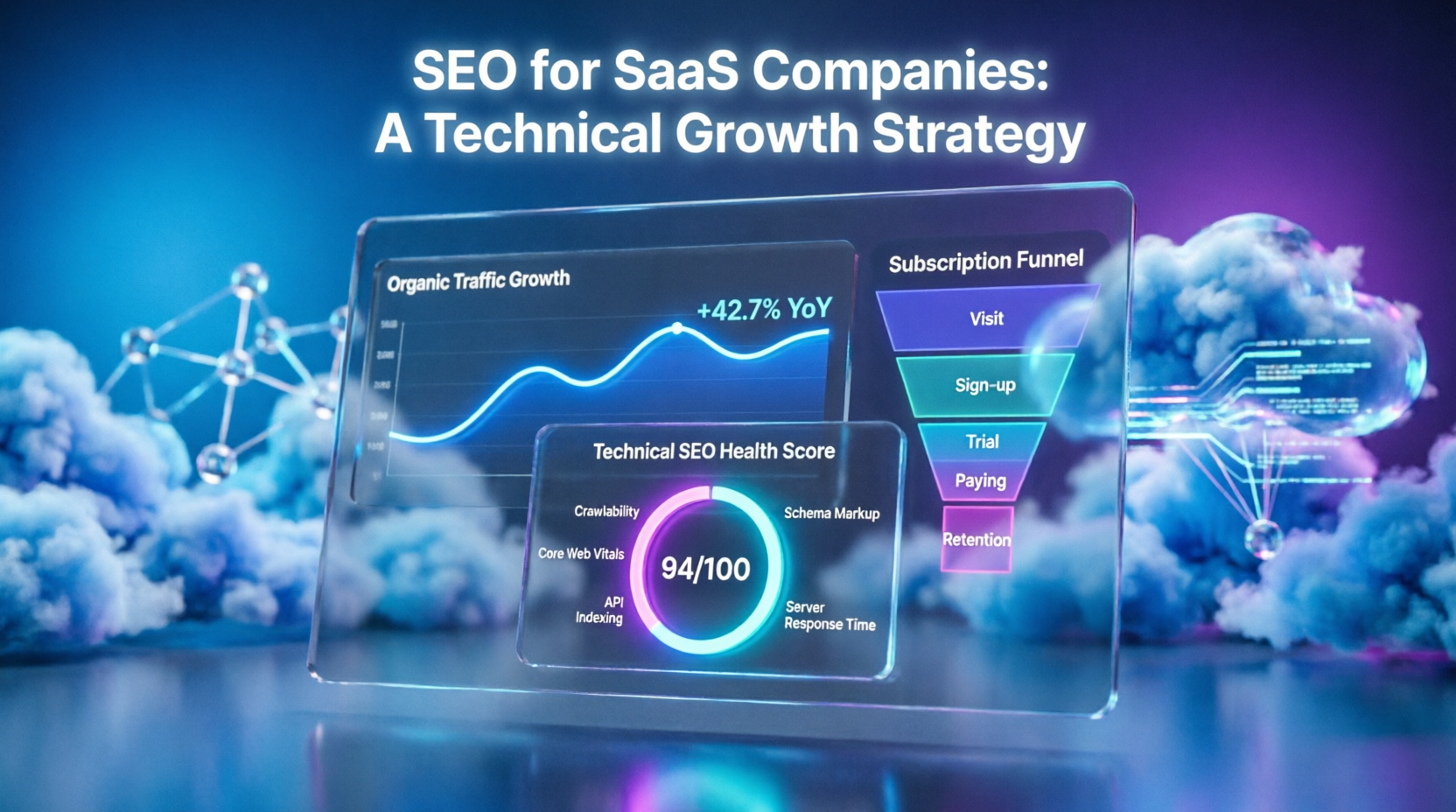
    SaaS customers often research extensively before purchasing software.

    They may search for:

    • Solutions to a problem
    • Software comparisons
    • Product alternatives
    • Features
    • Integrations
    • Pricing
    • Tutorials

    This creates multiple SEO opportunities.

    Build Content Around Customer Problems

    A SaaS company should not focus only on product keywords.

    It should also create content around problems customers are trying to solve.

    For example:

    Problem → Educational content → Solution → Product → Conversion

    This creates a natural customer journey.

    Technical Architecture

    SaaS websites can become complicated because they may include:

    • Product pages
    • Feature pages
    • Documentation
    • Integration pages
    • Blog posts
    • Help centers
    • Pricing pages

    Internal linking should connect these areas logically.

    Measure Business Outcomes

    Traffic isn’t enough.

    SaaS companies should track:

    • Free trials
    • Demo requests
    • Sign-ups
    • Qualified leads
    • Paid subscriptions
    • Customer acquisition cost

    This connects SEO with actual revenue.

  • Content Refresh Strategy: How to Update Old Blog Posts for Better SEO

    Content Refresh Strategy: How to Update Old Blog Posts for Better SEO

    Introduction

    Creating new content is important, but businesses should not ignore the content they already have.

    An older article may already have:

    • Organic traffic
    • Backlinks
    • Search visibility
    • Internal links
    • Brand recognition

    Instead of starting from zero, businesses can improve valuable existing pages.

    What Should You Check?

    Review:

    • Outdated statistics
    • Old examples
    • Broken links
    • Old screenshots
    • Missing information
    • Search-intent changes
    • Weak introductions
    • Poor formatting

    Improve the Content

    A content refresh should add genuine value.

    You can:

    • Add new sections
    • Improve explanations
    • Add original examples
    • Update statistics
    • Improve headings
    • Add relevant internal links
    • Improve images
    • Strengthen the introduction

    Simply changing the publication date is not a real content strategy.

    Measure the Results

    After updating a page, monitor:

    • Organic impressions
    • Clicks
    • CTR
    • Rankings
    • Engagement
    • Conversions

    This helps determine whether the update produced meaningful improvements.

  • Mobile SEO in 2026: Optimizing Websites for Mobile Users

    Mobile SEO in 2026: Optimizing Websites for Mobile Users

    Introduction

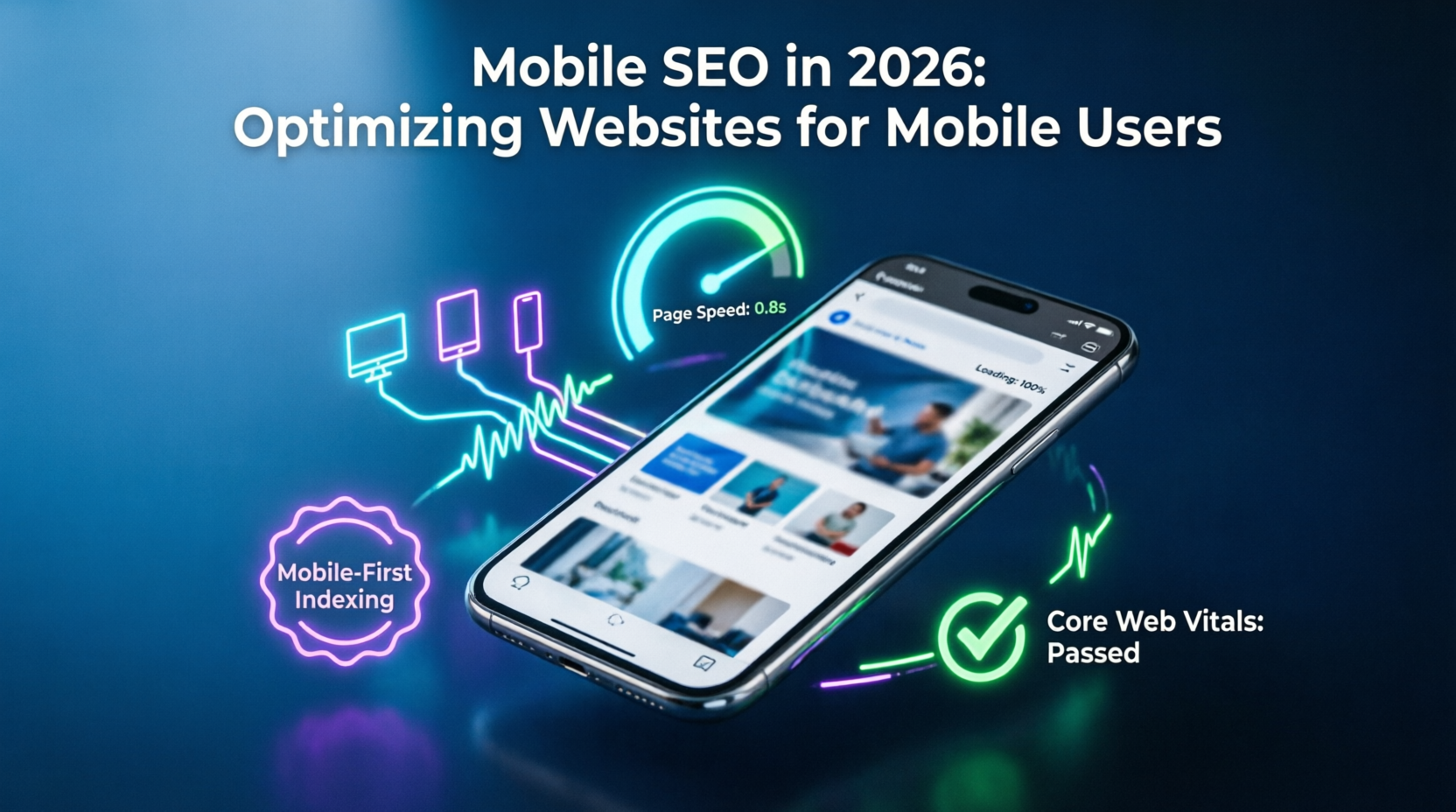
    A website may look excellent on a desktop computer but still provide a poor experience on smartphones.

    Mobile SEO focuses on making websites easy to access, navigate and use on smaller screens.

    Responsive Design

    Your website should automatically adapt to different screen sizes.

    Important elements include:

    • Readable text
    • Proper image scaling
    • Mobile-friendly navigation
    • Touch-friendly buttons
    • Responsive layouts

    Mobile Performance

    Large images and unnecessary scripts can slow down mobile pages.

    Businesses should optimize:

    • Images
    • JavaScript
    • CSS
    • Fonts
    • Third-party scripts
    • Caching

    Performance should be monitored continuously rather than only during website development.

    Mobile Conversion Optimization

    A mobile visitor should be able to:

    • Find your services
    • Call your business
    • Submit a form
    • Request a quote
    • Make a purchase

    without unnecessary friction.

    Why Mobile SEO Matters

    Mobile optimization improves more than SEO. It improves the complete customer experience.

    A faster and easier website can reduce friction and create more opportunities for conversions.

  • E-E-A-T SEO Strategy: How to Build Trust and Expertise Online

    E-E-A-T SEO Strategy: How to Build Trust and Expertise Online

    Introduction

    Users want reliable information, especially when making important purchasing decisions.

    This makes credibility an important part of a successful content strategy.

    Businesses should demonstrate why customers should trust their information and services.

    Demonstrate Real Experience

    Original experience can make content more useful.

    Businesses can publish:

    • Case studies
    • Original research
    • Customer examples
    • Practical tutorials
    • Expert commentary
    • Industry observations

    These resources provide information that generic content cannot easily reproduce.

    Make Authors and Sources Clear

    Where appropriate, content should make it clear who created it and why they are qualified to discuss the subject.

    Citations and references can also help readers verify important information.

    Build Brand Authority

    Authority develops over time through:

    • Quality content
    • Genuine customer reviews
    • Industry mentions
    • Relevant backlinks
    • Expert contributions
    • Consistent business information

    The goal should be to become a genuinely useful resource rather than simply trying to manipulate search rankings.

    Trust Is a Business Asset

    SEO traffic has limited value if visitors do not trust the company.

    A strong website should clearly communicate:

    • Who the business is
    • What services it provides
    • How it works
    • Why customers should choose it
    • How customers can contact it
  • SEO Automation in 2026: What Should You Automate?

    SEO Automation in 2026: What Should You Automate?

    Introduction

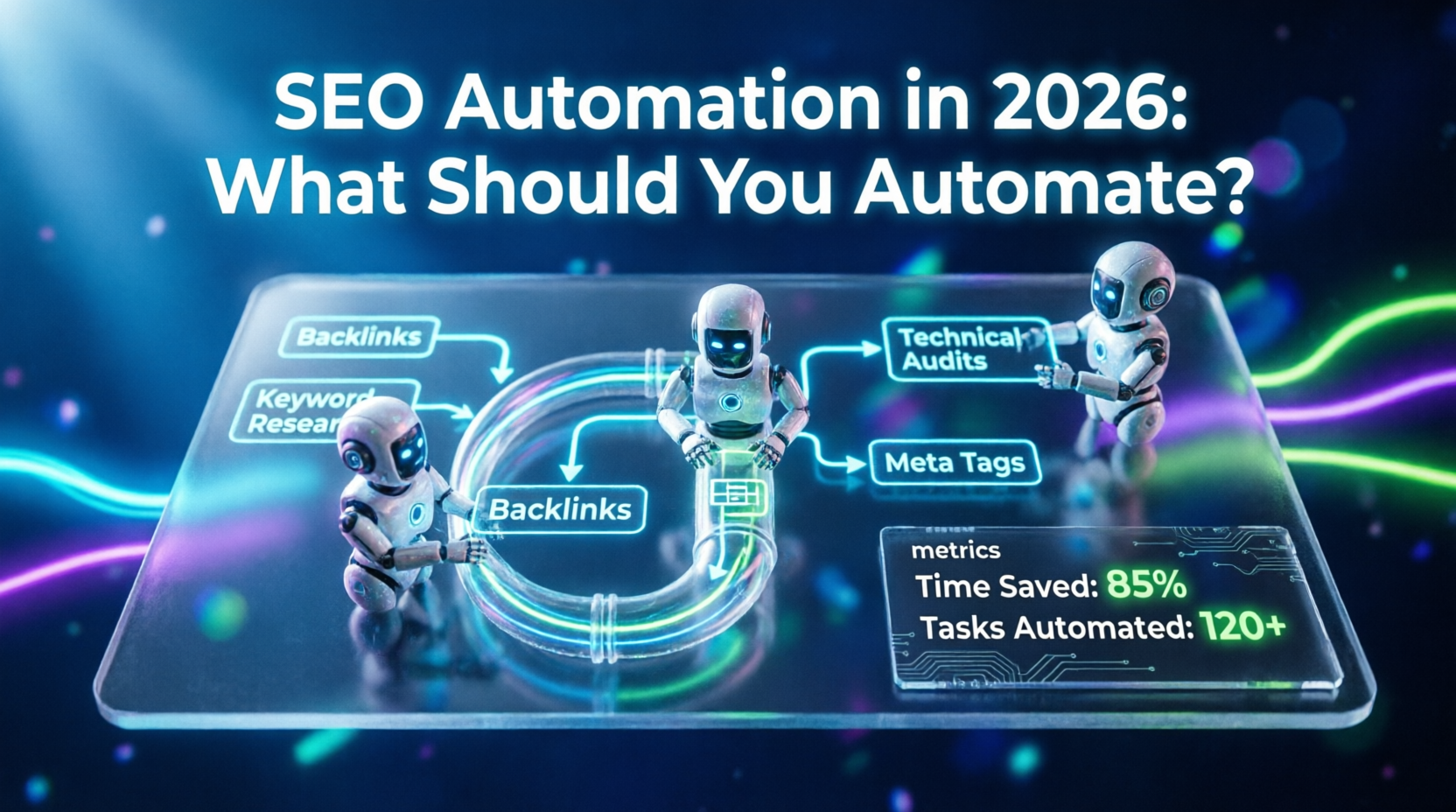
    SEO contains many repetitive tasks. Automation can make these processes faster while allowing marketers to spend more time on strategy.

    In 2026, AI and automation are increasingly being used across digital marketing workflows. Industry research shows automation and AI-assisted personalization are among the leading marketing priorities.

    SEO Tasks That Can Be Automated

    Businesses can automate:

    Technical Monitoring

    Automated crawlers can identify broken links, missing metadata, indexing problems and other technical issues.

    Reporting

    Weekly and monthly SEO reports can be generated automatically.

    Keyword Tracking

    Rank positions and search visibility can be monitored continuously.

    Content Monitoring

    Automated systems can identify outdated pages, missing internal links and content gaps.

    Performance Alerts

    Teams can receive alerts when organic traffic, rankings or conversions change significantly.

    What Should Remain Human?

    Some decisions require context.

    Marketers should remain responsible for:

    • Content strategy
    • Brand positioning
    • Customer research
    • Search-intent interpretation
    • Editorial decisions
    • Expert review
    • Business priorities

    Automation should remove repetitive work, not remove strategic thinking.

    The Right Approach

    The best SEO workflow is:

    Automate → Analyze → Review → Improve → Measure

    This gives marketing teams efficiency without sacrificing quality.

  • AI Overviews and SEO: How Businesses Can Increase Search Visibility

    AI Overviews and SEO: How Businesses Can Increase Search Visibility

    Introduction

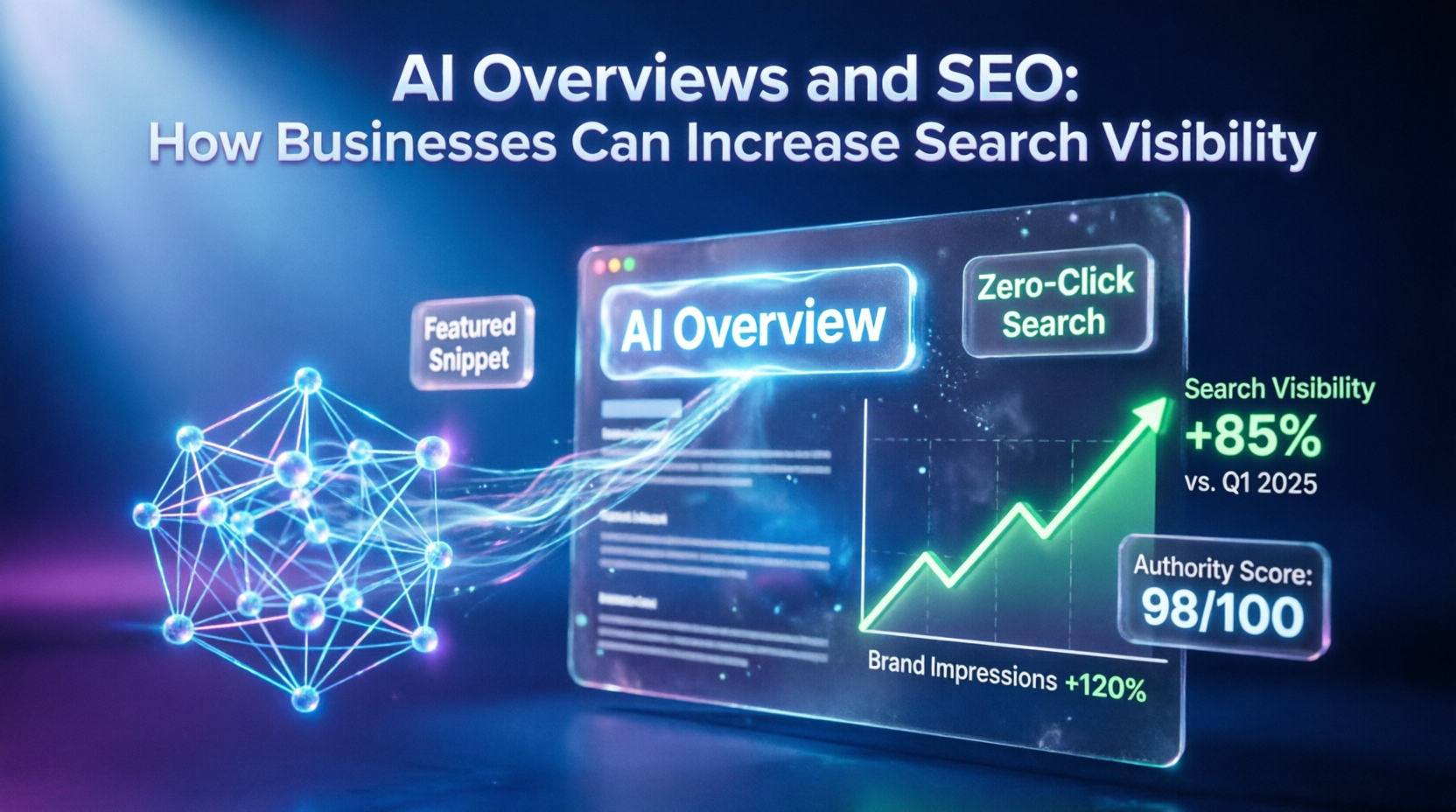
    Search results are becoming more interactive. Instead of simply displaying a list of links, search engines can provide synthesized answers and additional sources for users.

    This creates a new SEO challenge: businesses need to compete for visibility within the search experience, not just traditional rankings.

    Google’s current guidance emphasizes that foundational SEO practices remain important for AI search experiences.

    Create Answer-Focused Content

    Businesses should identify the questions their customers actually ask.

    Instead of writing generic articles, create pages that provide:

    • Direct answers
    • Supporting explanations
    • Original examples
    • Relevant statistics
    • Expert opinions
    • Clear headings

    This makes information easier for users and search systems to understand.

    Build Topical Authority

    One article rarely establishes authority around an entire subject.

    For example, a digital marketing company could create a topic cluster covering:

    • SEO
    • Technical SEO
    • AI Search
    • PPC
    • Social Media
    • Content Marketing
    • Analytics
    • Conversion Optimization

    These pages can then be connected through strategic internal links.

    Measure AI Visibility

    AI search measurement is becoming increasingly important. Google has introduced reporting around visibility in generative AI search features, while the broader SEO industry is also seeing increased demand for AI visibility tracking.

    Businesses should therefore monitor traditional organic performance alongside emerging AI visibility signals.

  • AI-Powered SEO in 2026: How Artificial Intelligence Is Changing Search Optimization

    AI-Powered SEO in 2026: How Artificial Intelligence Is Changing Search Optimization

    Introduction

    SEO in 2026 is no longer limited to choosing keywords and creating traditional blog posts. Search is becoming increasingly AI-driven, with users asking longer and more conversational questions and discovering information through AI-powered search experiences.

    Modern SEO therefore needs to focus on search intent, topical relevance, technical accessibility, trustworthy content and brand authority.

    AI can help marketers analyze search data, identify content opportunities, optimize technical issues and understand customer behavior. However, AI should support the SEO strategy rather than replace human judgment.

    How AI Is Changing SEO

    AI is influencing several parts of SEO:

    • Keyword and search-intent analysis
    • Content research
    • Competitor analysis
    • Technical SEO monitoring
    • Internal-link recommendations
    • Content optimization
    • Search performance analysis
    • Personalization

    The important difference is that automation should be combined with human review.

    A business website still needs original information, useful explanations, expert insights and a clear purpose.

    Technical SEO Still Matters

    AI search does not eliminate technical SEO.

    Search engines still need to discover, crawl and understand website content. Businesses should maintain:

    • Clean URL structures
    • Fast-loading pages
    • Mobile-friendly design
    • Internal linking
    • XML sitemaps
    • Correct canonical URLs
    • Proper indexing
    • Structured data where appropriate

    The Future of AI SEO

    The strongest strategy for 2026 is not simply “create content with AI.”

    It is:

    AI assistance + human expertise + technical SEO + useful content + measurement.

    Businesses that combine these elements can build a stronger foundation for traditional search as well as emerging AI-driven discovery.