Tag: SEO

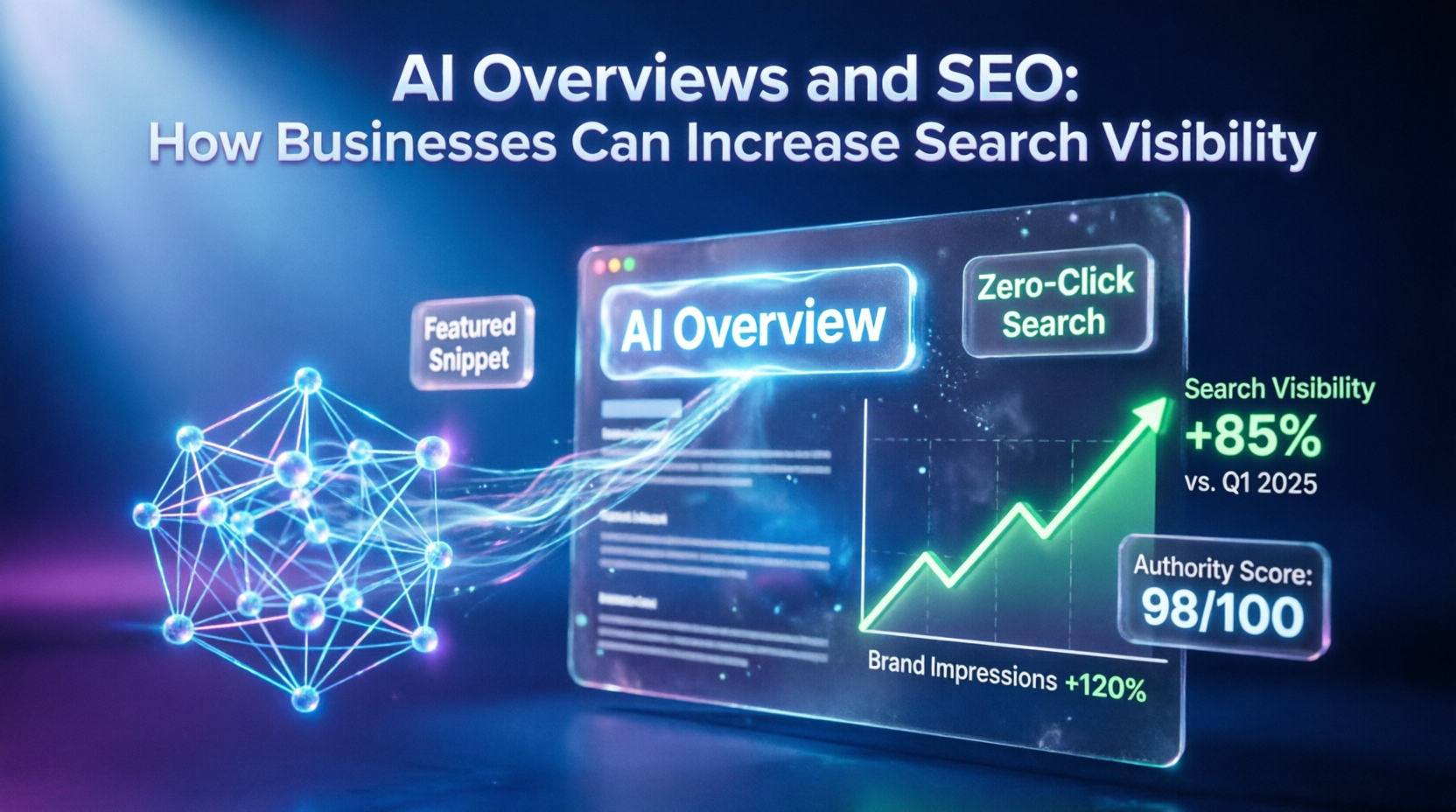
  • AI Overviews and SEO: How Businesses Can Increase Search Visibility

    AI Overviews and SEO: How Businesses Can Increase Search Visibility

    Introduction

    Search results are becoming more interactive. Instead of simply displaying a list of links, search engines can provide synthesized answers and additional sources for users.

    This creates a new SEO challenge: businesses need to compete for visibility within the search experience, not just traditional rankings.

    Google’s current guidance emphasizes that foundational SEO practices remain important for AI search experiences.

    Create Answer-Focused Content

    Businesses should identify the questions their customers actually ask.

    Instead of writing generic articles, create pages that provide:

    • Direct answers
    • Supporting explanations
    • Original examples
    • Relevant statistics
    • Expert opinions
    • Clear headings

    This makes information easier for users and search systems to understand.

    Build Topical Authority

    One article rarely establishes authority around an entire subject.

    For example, a digital marketing company could create a topic cluster covering:

    • SEO
    • Technical SEO
    • AI Search
    • PPC
    • Social Media
    • Content Marketing
    • Analytics
    • Conversion Optimization

    These pages can then be connected through strategic internal links.

    Measure AI Visibility

    AI search measurement is becoming increasingly important. Google has introduced reporting around visibility in generative AI search features, while the broader SEO industry is also seeing increased demand for AI visibility tracking.

    Businesses should therefore monitor traditional organic performance alongside emerging AI visibility signals.
  • AI-Powered SEO in 2026: How Artificial Intelligence Is Changing Search Optimization

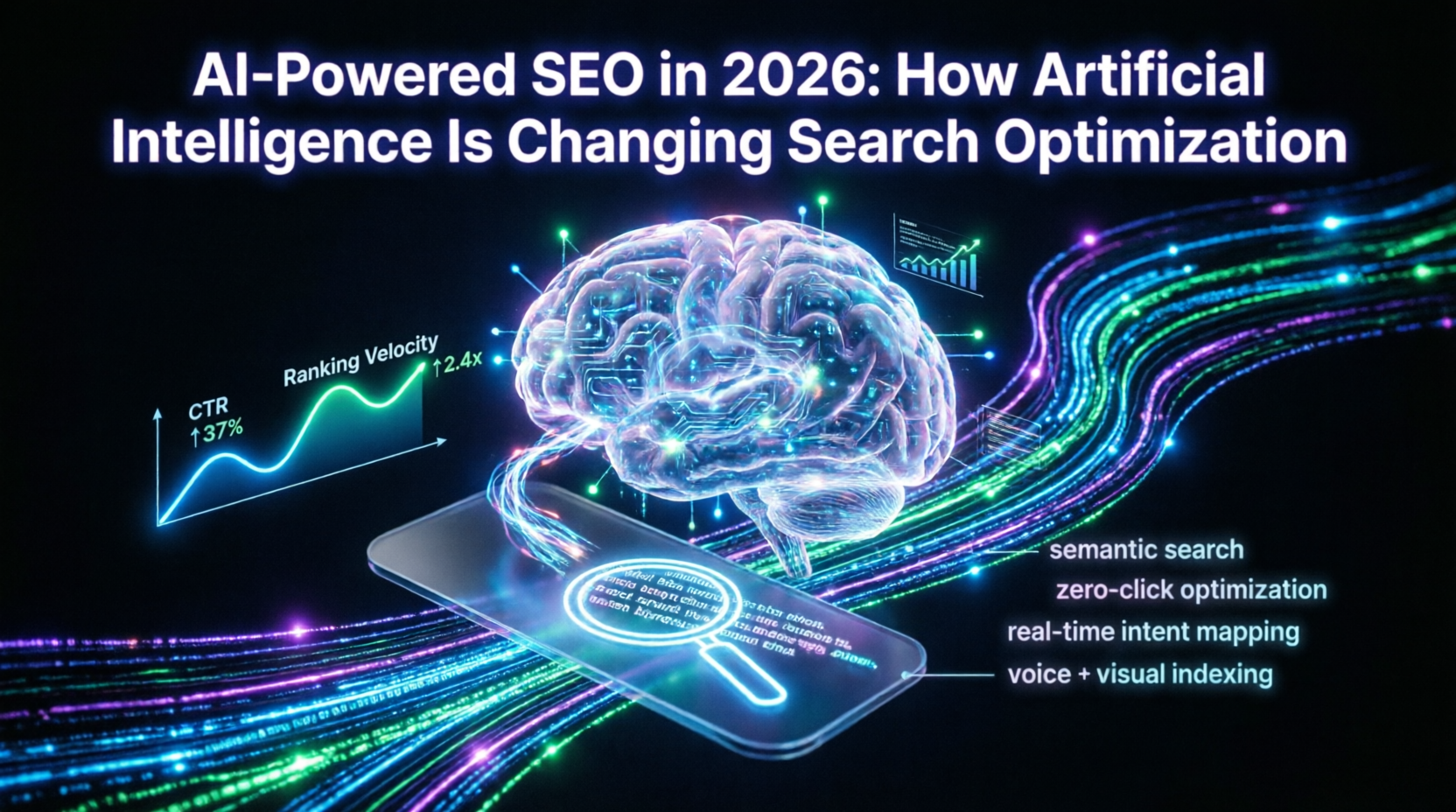
    AI-Powered SEO in 2026: How Artificial Intelligence Is Changing Search Optimization

    Introduction

    SEO in 2026 is no longer limited to choosing keywords and creating traditional blog posts. Search is becoming increasingly AI-driven, with users asking longer and more conversational questions and discovering information through AI-powered search experiences.

    Modern SEO therefore needs to focus on search intent, topical relevance, technical accessibility, trustworthy content and brand authority.

    AI can help marketers analyze search data, identify content opportunities, optimize technical issues and understand customer behavior. However, AI should support the SEO strategy rather than replace human judgment.

    How AI Is Changing SEO

    AI is influencing several parts of SEO:

    • Keyword and search-intent analysis
    • Content research
    • Competitor analysis
    • Technical SEO monitoring
    • Internal-link recommendations
    • Content optimization
    • Search performance analysis
    • Personalization

    The important difference is that automation should be combined with human review.

    A business website still needs original information, useful explanations, expert insights and a clear purpose.

    Technical SEO Still Matters

    AI search does not eliminate technical SEO.

    Search engines still need to discover, crawl and understand website content. Businesses should maintain:

    • Clean URL structures
    • Fast-loading pages
    • Mobile-friendly design
    • Internal linking
    • XML sitemaps
    • Correct canonical URLs
    • Proper indexing
    • Structured data where appropriate

    The Future of AI SEO

    The strongest strategy for 2026 is not simply “create content with AI.”

    It is:

    AI assistance + human expertise + technical SEO + useful content + measurement.

    Businesses that combine these elements can build a stronger foundation for traditional search as well as emerging AI-driven discovery.

  • Website Migration SEO: How to Move a Website Without Losing Rankings

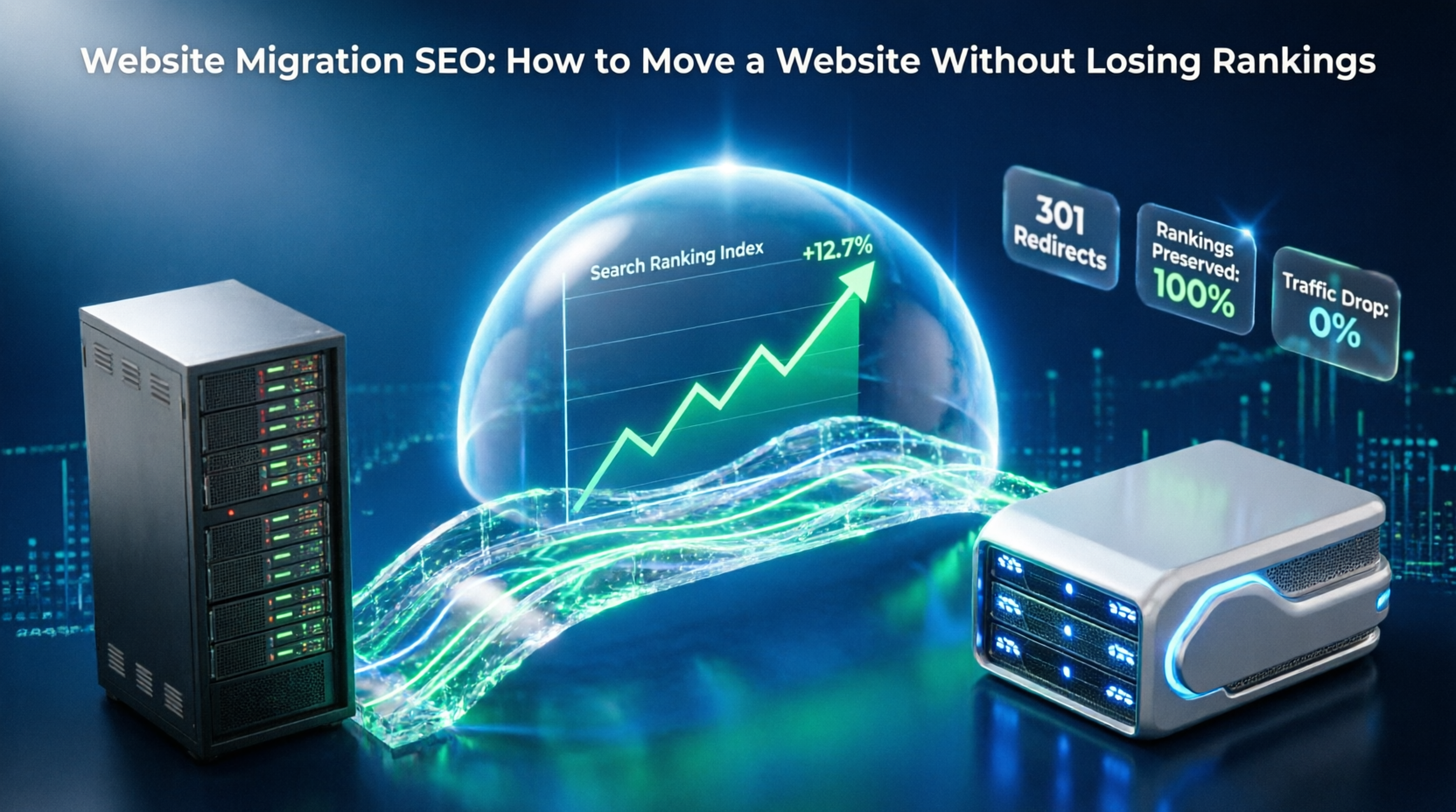
    Website Migration SEO: How to Move a Website Without Losing Rankings

    Introduction

    A website migration can involve:

    • New domain
    • New CMS
    • New URL structure
    • Website redesign
    • HTTPS migration
    • Hosting changes

    Without proper planning, organic traffic can decline.

    Pre-Migration Checklist

    Before migration:

    1. Crawl the existing website.
    2. Export important URLs.
    3. Record organic traffic.
    4. Identify valuable pages.
    5. Map old URLs to new URLs.
    6. Review internal links.

    Redirects

    Use appropriate redirects when URLs change.

    Each important old URL should point to the most relevant new destination.

    After Migration

    Check:

    • Indexing
    • Redirects
    • Canonicals
    • Sitemap
    • Robots.txt
    • Internal links
    • Analytics
    • Search Console

    Monitor Traffic

    Compare performance before and after migration.

    Unexpected drops should be investigated quickly.

    Conclusion

    SEO migration should be treated as a technical project rather than simply a website launch.

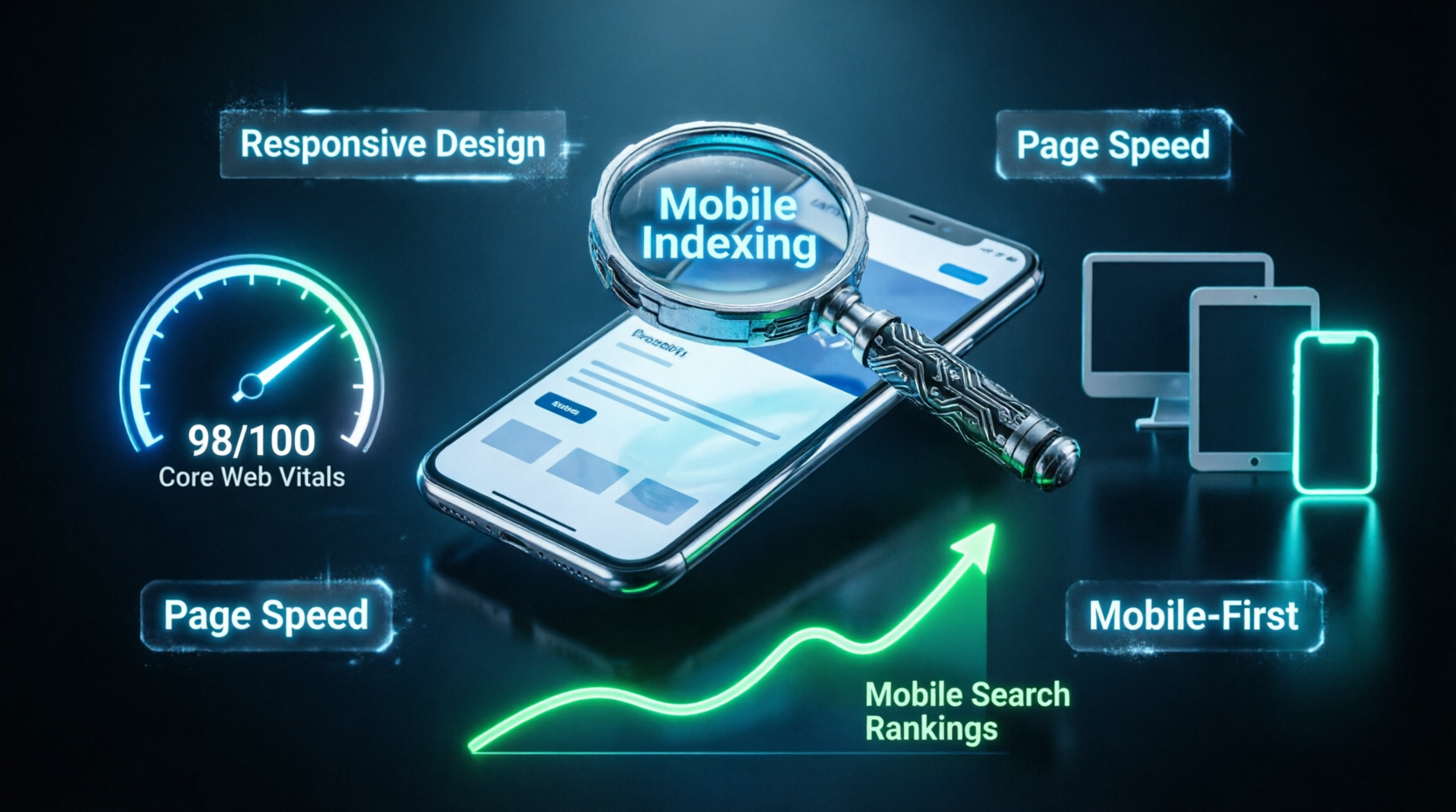
  • Mobile-First SEO: How to Optimize Websites for Mobile Users

    Mobile-First SEO: How to Optimize Websites for Mobile Users

    Introduction

    A website must work effectively on smartphones and tablets.

    Mobile optimization is no longer an optional feature for businesses competing online.

    Important Mobile SEO Factors

    Responsive Design

    Your website should adapt to different screen sizes.

    Easy Navigation

    Menus and buttons should be easy to use on smaller screens.

    Readable Content

    Users should not need to zoom or scroll horizontally to read important information.

    Fast Performance

    Mobile users may have slower connections, making performance optimization particularly important.

    Mobile Content

    Make sure important information available on desktop is also accessible on mobile.

    Avoid hiding essential content simply because the screen is smaller.

    Test Regularly

    Check:

    • Forms
    • Buttons
    • Navigation
    • Images
    • Fonts
    • Checkout
    • Contact options

    Conclusion

    Mobile SEO should be part of website development from the beginning—not something added later.

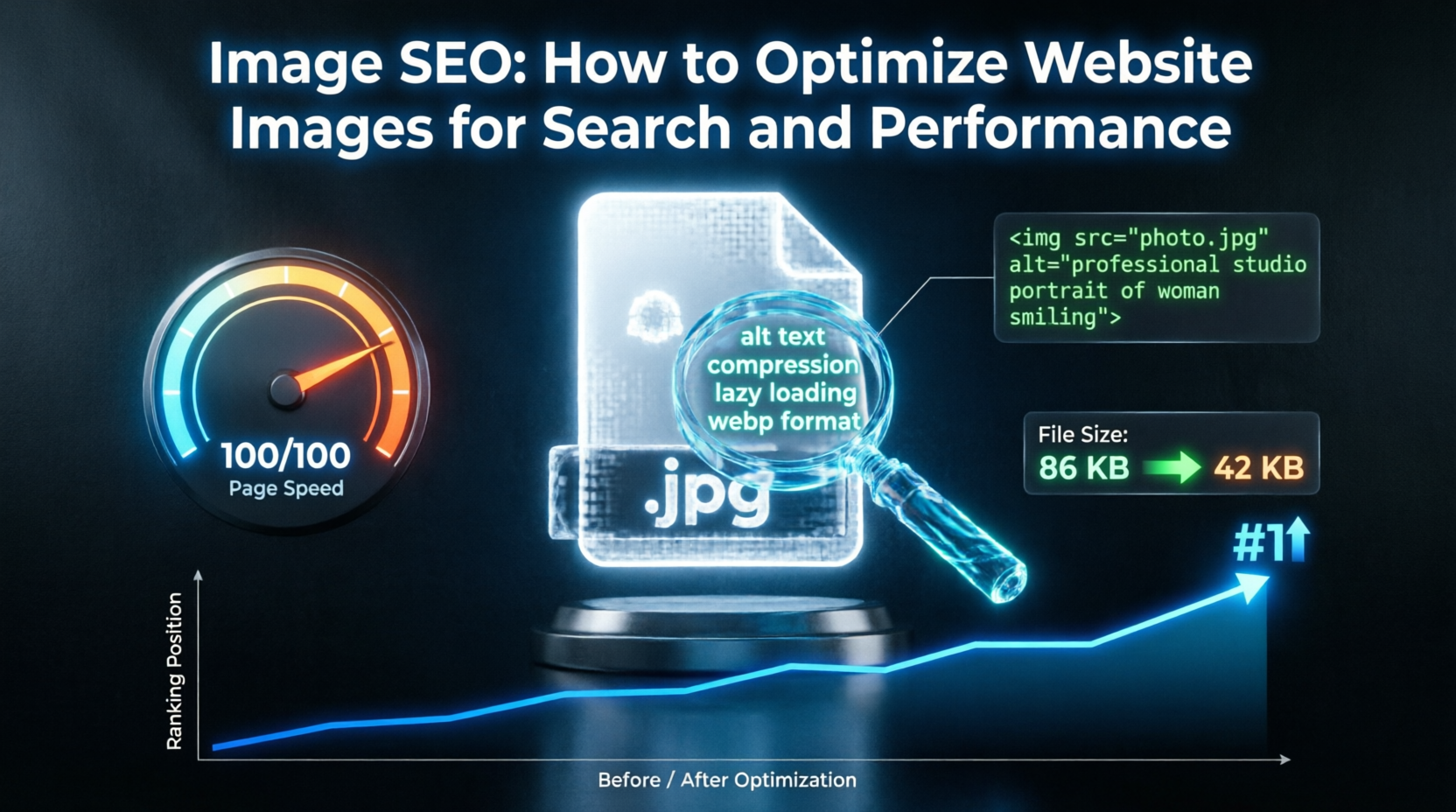
  • Image SEO: How to Optimize Website Images for Search and Performance

    Image SEO: How to Optimize Website Images for Search and Performance

    Introduction

    Images are an important part of modern websites.

    However, large or poorly implemented images can increase page weight and reduce performance.

    Image SEO Best Practices

    Use Descriptive File Names

    Instead of:

    IMG12345.jpg

    Use something meaningful such as:

    digital-marketing-strategy.jpg

    Add Useful Alt Text

    Alt text should describe the image where appropriate.

    Choose Appropriate Formats

    Use modern image formats where they provide benefits for your website.

    Resize Images

    Do not upload a huge image when a smaller version is sufficient.

    Compress Images

    Compression can reduce file size while maintaining acceptable quality.

    Lazy Loading

    Images below the initial viewport can often be lazy-loaded to reduce unnecessary initial loading.

    Conclusion

    Image SEO combines accessibility, performance, user experience, and search optimization.

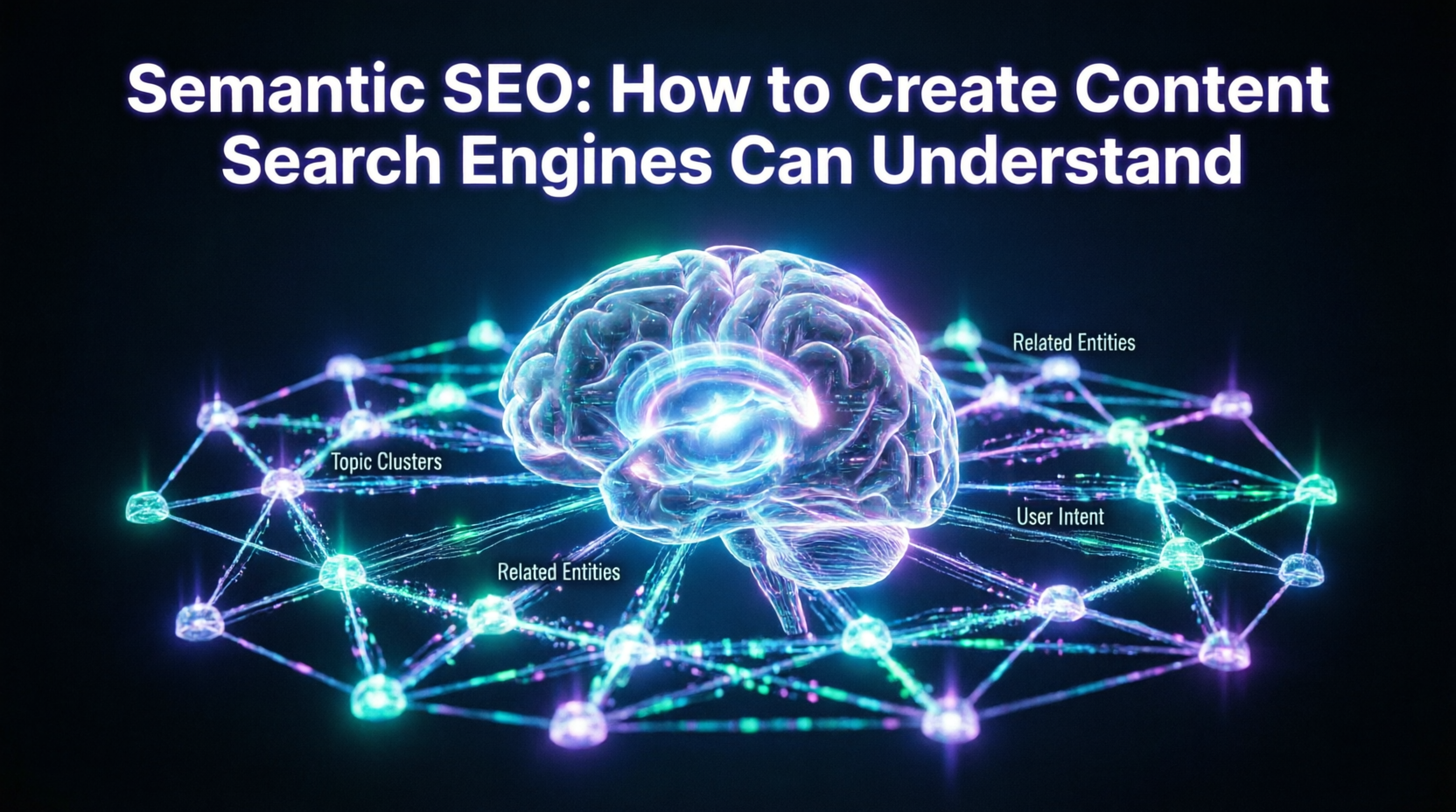
  • Semantic SEO: How to Create Content Search Engines Can Understand

    Semantic SEO: How to Create Content Search Engines Can Understand

    Introduction

    Search engines have become better at understanding language and context.

    This means a page can rank for related queries even when it doesn’t repeat an exact keyword many times.

    What Is Semantic SEO?

    Semantic SEO involves creating content around a complete topic and its related concepts.

    For example, an article about SEO services could naturally discuss:

    • Technical SEO
    • Keyword research
    • Content optimization
    • Internal linking
    • Search intent
    • Analytics

    How to Implement Semantic SEO

    Cover Related Questions

    Research the questions customers ask around your primary topic.

    Use Clear Structure

    Organize information with descriptive headings.

    Connect Related Pages

    Use internal links to connect supporting content.

    Add Context

    Explain concepts rather than simply inserting keywords.

    Avoid Keyword Stuffing

    Repeating the same keyword excessively can make content unnatural.

    Write for people first and optimize the structure for search engines.

    Conclusion

    Semantic SEO helps businesses create deeper, more useful content.

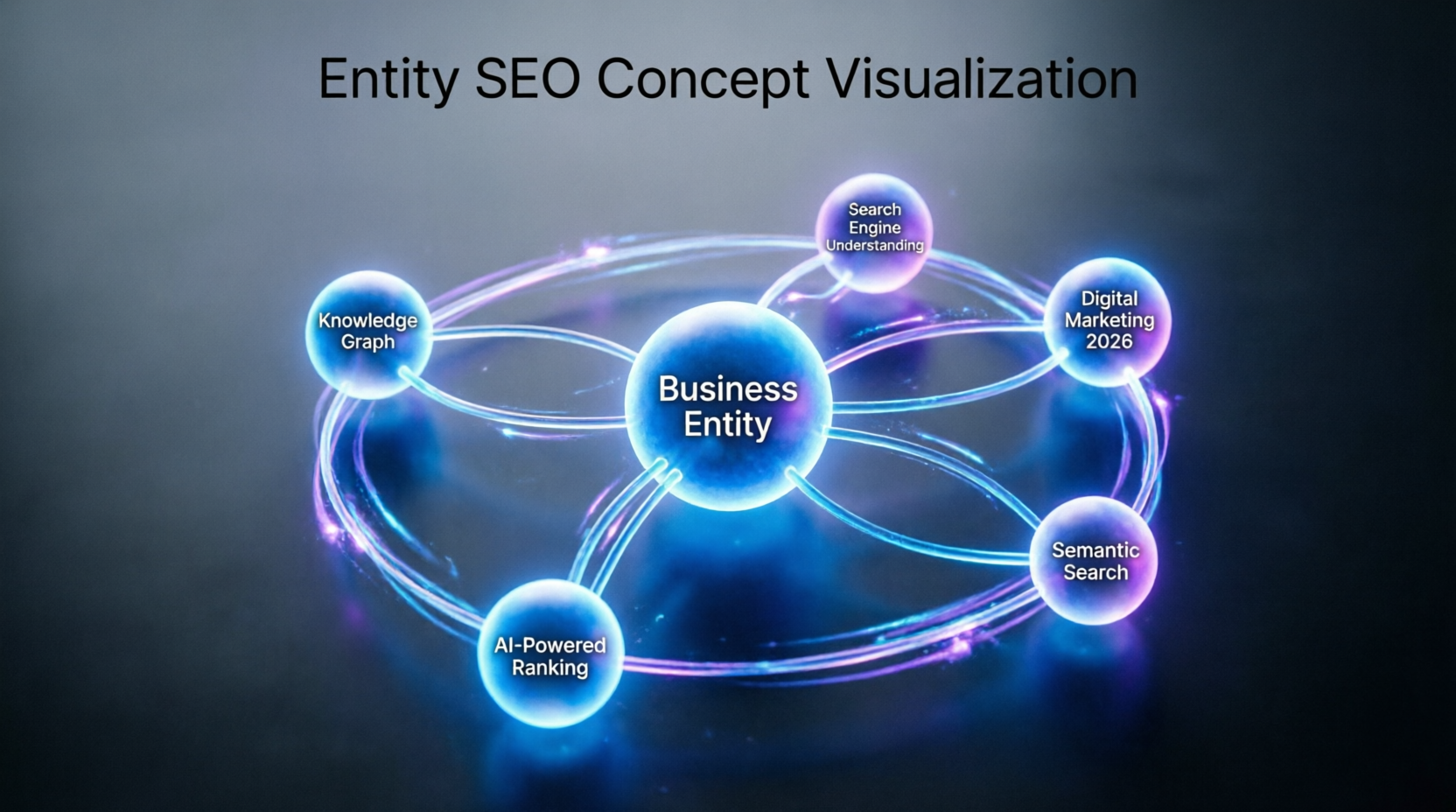
  • Entity SEO: How Search Engines Understand Your Business

    Entity SEO: How Search Engines Understand Your Business

    Introduction

    SEO has evolved beyond simply placing keywords on webpages.

    Search engines increasingly try to understand who, what, where, and how entities are connected.

    For a digital marketing company, the goal is to make the business clearly understandable across its website and other trusted online sources.

    What Is Entity SEO?

    An entity can represent a person, company, organization, product, location, or concept.

    For example:

    Digital Marketing Company → SEO → PPC → Content Marketing → Analytics

    Creating clear relationships between these topics helps establish context.

    How to Strengthen Entity Signals

    Businesses should maintain:

    • Consistent company information
    • Clear About pages
    • Detailed service pages
    • Organization information
    • Author information
    • Relevant structured data
    • Consistent brand mentions

    Why Entity SEO Matters

    A search engine should be able to understand:

    • What your company does
    • Which services you provide
    • Which industries you serve
    • Where you operate
    • What topics you specialize in

    Conclusion

    Entity-focused SEO is about building a clear and trustworthy digital identity rather than simply repeating keywords.

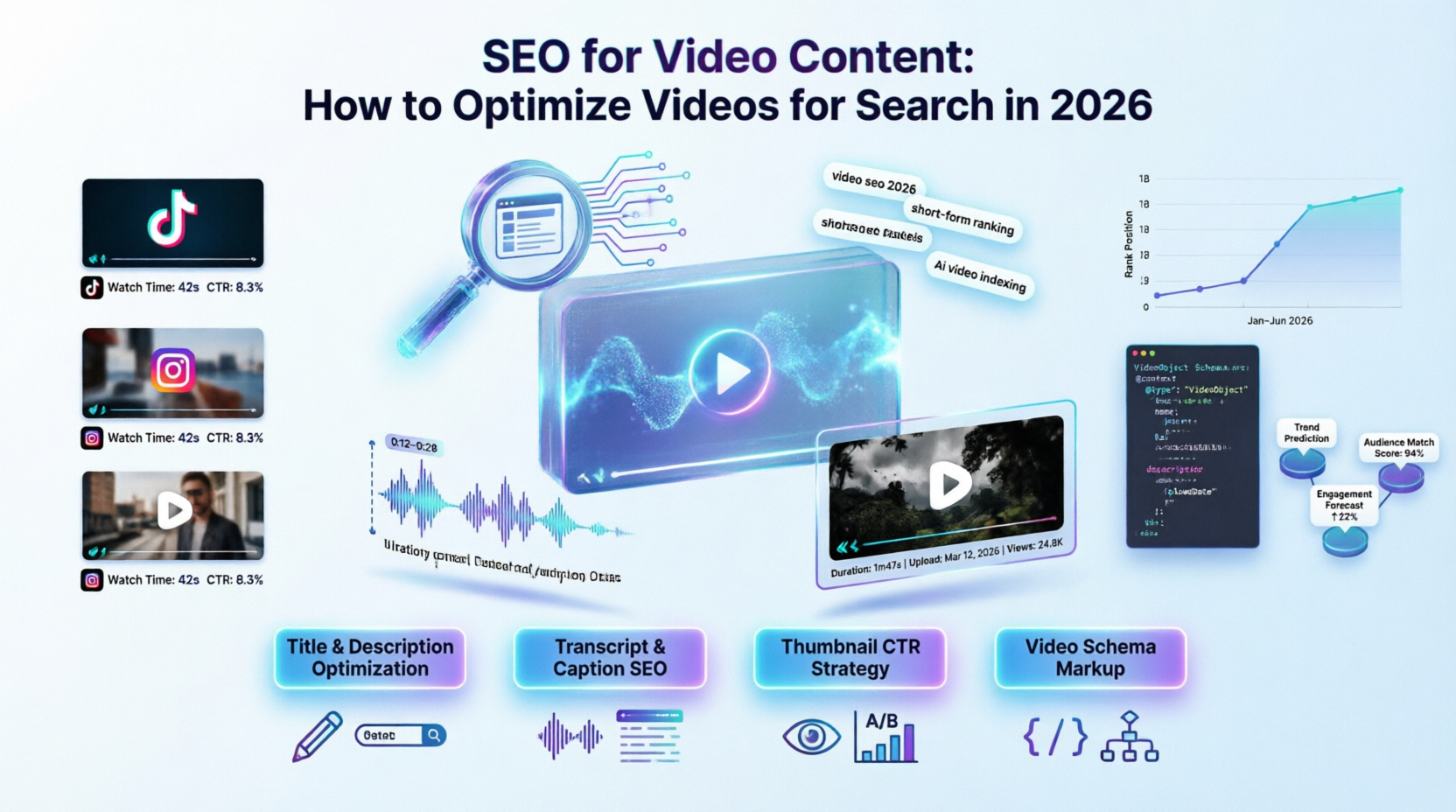
  • SEO for Video Content: How to Optimize Videos for Search in 2026

    SEO for Video Content: How to Optimize Videos for Search in 2026

    Introduction

    Customers don’t only search through text.

    They also use video platforms and search engines to discover tutorials, reviews, demonstrations, and educational content.

    Why Video SEO Matters

    Video can help businesses:

    • Explain complex products
    • Demonstrate expertise
    • Build trust
    • Increase engagement
    • Support branded search
    • Reach new audiences

    Technical Video SEO

    Optimize Titles

    Use clear titles that accurately describe the video.

    Write Useful Descriptions

    Explain what users will learn.

    Add Transcripts

    Transcripts make video information more accessible and provide text context.

    Create Dedicated Pages

    Where appropriate, embed videos within useful webpage content.

    Optimize Thumbnails

    Use clear, relevant thumbnails that accurately represent the video.

    Don’t Use Video as a Replacement for Everything

    Video should complement useful webpage content rather than replacing important text information.

    Conclusion

    A strong video strategy can support SEO, brand awareness, and customer education.

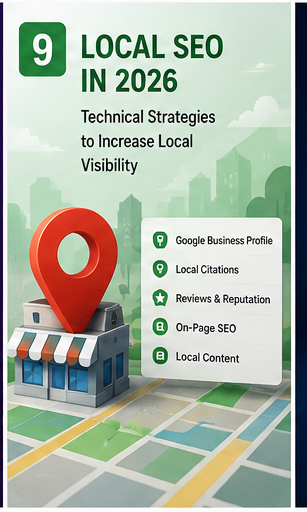
  • Local SEO in 2026: How Businesses Can Win More Customers From Nearby Searches

    Local SEO in 2026: How Businesses Can Win More Customers From Nearby Searches

    Introduction

    For businesses serving specific geographic markets, local SEO can be one of the most valuable digital marketing channels.

    A customer might search for:

    • Digital marketing agency near me
    • SEO company in Karachi
    • Web development agency near me
    • PPC agency in Pakistan

    The searcher’s location and intent can strongly influence the businesses they consider.

    Key Elements of Local SEO

    Google Business Profile

    Businesses should maintain accurate information about:

    • Business name
    • Address
    • Phone
    • Website
    • Opening hours
    • Services

    Local Landing Pages

    Create genuinely useful location-specific pages rather than producing duplicate pages with only city names changed.

    Reviews

    Authentic customer reviews can strengthen trust and help potential customers evaluate a business.

    Local Content

    Create useful content related to the problems, industries, and customers you serve.

    Consistent Business Information

    Important business details should remain accurate and consistent across relevant online properties.

    Local SEO and AI Search

    As search becomes increasingly conversational, businesses need clear and trustworthy information across their digital presence.

    AI-powered search can change how users discover businesses, making accurate brand information increasingly important.

    Measuring Local SEO

    Track:

    • Local search visibility
    • Website visits
    • Calls
    • Form submissions
    • Direction requests
    • Qualified leads
    • Revenue

    Conclusion

    Local SEO is not simply about adding a city name to a webpage.

    It requires accurate business information, useful local content, technical SEO, reputation management, and conversion optimization.

    For service businesses, a well-planned local SEO strategy can become a reliable source of qualified leads.

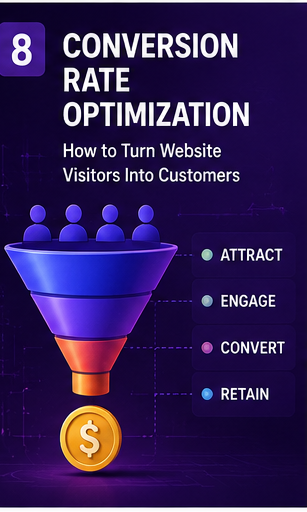
  • Conversion Rate Optimization in 2026: Turning Website Traffic Into Customers

    Conversion Rate Optimization in 2026: Turning Website Traffic Into Customers

    Introduction

    Many businesses focus heavily on generating website traffic.

    But traffic is only one part of the customer journey.

    If 10,000 people visit a website but very few take action, the marketing strategy has a conversion problem.

    What Is Conversion Rate Optimization?

    Conversion Rate Optimization (CRO) is the systematic process of improving a website so that more visitors complete a desired action.

    Conversions can include:

    • Form submissions
    • Phone calls
    • Purchases
    • Consultation requests
    • Newsletter registrations
    • Demo bookings

    Technical CRO Factors

    Page speed

    Slow pages can create friction.

    Mobile usability

    Forms and buttons must work properly on smaller screens.

    Website architecture

    Visitors should quickly understand where to go next.

    Forms

    Long or confusing forms can reduce submissions.

    Tracking

    Businesses need reliable analytics to understand which changes produce results.

    Content and CRO

    Good content should answer:

    • What does the company offer?
    • Who is it for?
    • Why should customers choose it?
    • What proof exists?
    • What should the visitor do next?

    A/B Testing

    A/B testing can compare different versions of:

    • Headlines
    • CTAs
    • Landing pages
    • Forms
    • Offers
    • Page layouts

    Testing should be based on a clear hypothesis rather than random changes.

    CRO and SEO Together

    SEO brings qualified visitors.

    CRO helps convert those visitors.

    The strongest digital marketing strategies therefore connect acquisition and conversion rather than treating them as separate activities.

    Conclusion

    The goal of digital marketing is not simply more traffic.

    The goal is more valuable business outcomes from the right traffic.

    A professional agency can analyze your website funnel and identify opportunities to improve both traffic quality and conversion performance.